
The 15 Best Restaurants in San Francisco
Three Michelin temples, a 1912 marble seafood counter, and the city that invented California cuisine
San Francisco eats like nowhere else in America. Tightly packed into 47 hilly square miles, the city stacks 26 Michelin-starred dining rooms — three of them with three stars — against a 1912 marble seafood counter, a 1920 Chinatown dim-sum house that was the first in the country, and the original 1849 sourdough bakery still running on the same starter. The food culture here is shaped by Pacific seafood, the country's deepest produce shed (the Bay Area sits one hour from the Salinas Valley and Sonoma), and four big immigrant kitchens — Cantonese, Italian, Mexican, and a more recent wave from Vietnam, Korea, and the Philippines — that arrived with the Gold Rush and the post-1906 rebuild and have never stopped influencing the city's tables. Eating well in San Francisco doesn't require a $400 tasting menu — half the city's most beloved rooms are still walk-in counters with marble bars and cash-only registers — but the high end, anchored by Atelier Crenn, Benu, and Acquerello, runs as long and as serious as anywhere on the West Coast. What ties it all together is a stubborn, ingredient-first Californian sensibility that turned farm-to-table into a default before the rest of the country had a name for it.
Our Selection Methodology
These 15 restaurants were chosen to balance four things: critical recognition (Michelin stars, James Beard awards, and persistent inclusion in the San Francisco Chronicle's Top 100), iconic status with locals (the rooms a San Franciscan brings out-of-town family to), neighborhood and cuisine range across ten neighborhoods and four price tiers, and a deliberate mix of aspirational tasting menus and accessible counter spots.
The list intentionally skews toward rooms that have shaped the city's identity rather than just the newest openings — so the cut includes both a $400 three-Michelin-star dinner at Atelier Crenn and a $15 carnitas burrito at La Taqueria, with eleven more between them.
Atelier Crenn
Inspired by real photos
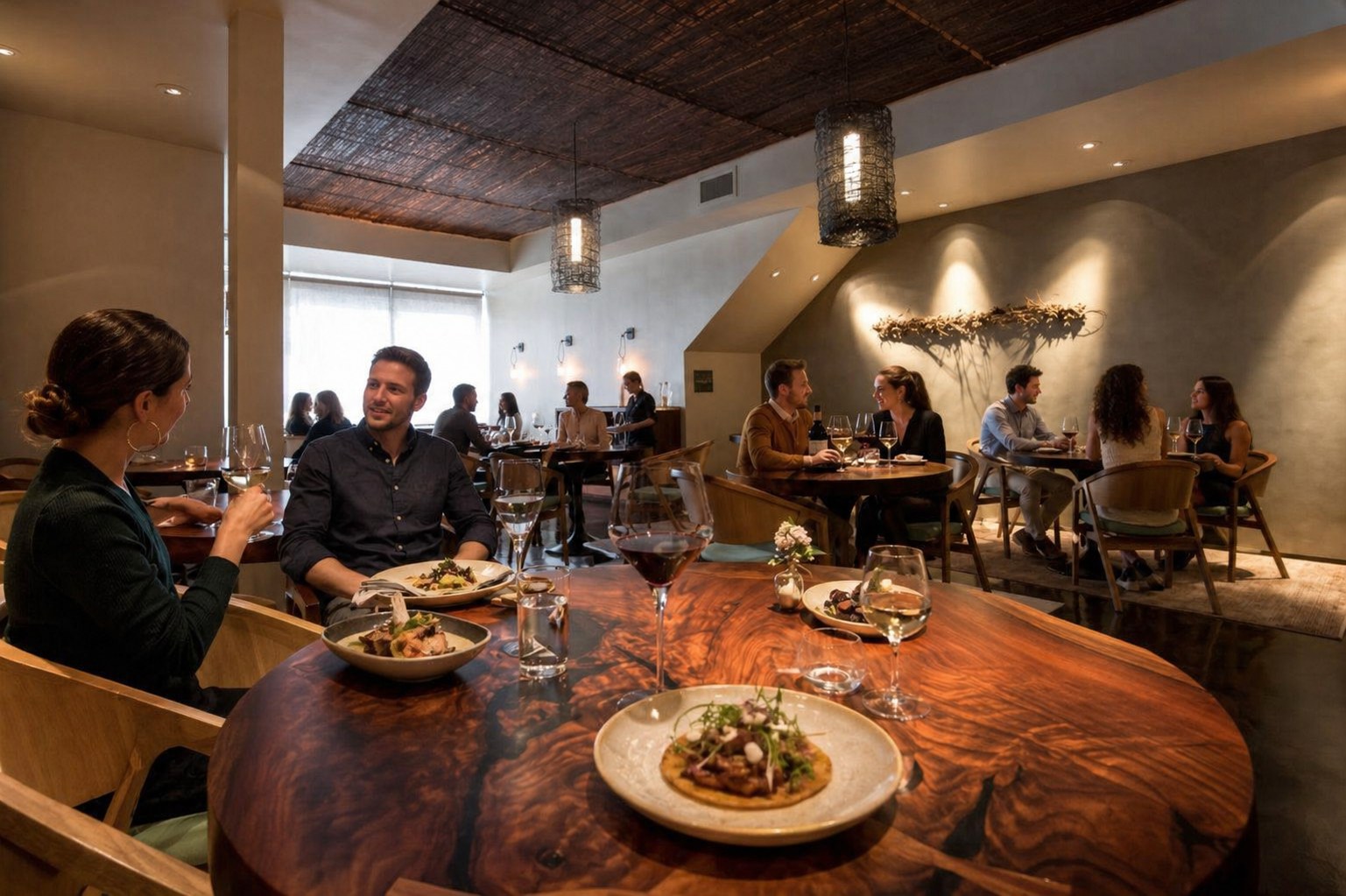
Dominique Crenn's poetic French tasting room is the rare three-Michelin-star restaurant where the chef-owner is also the headline. Crenn became the first female chef in America to earn three Michelin stars when Atelier Crenn was elevated in 2018, and a decade-plus into the project she still personally writes the menu as a poem rather than a list of dishes. The kitchen leans hard into seafood and produce — no land animals on the main menu since 2018 — and the dining room is intentionally small and quiet, treating the meal as a piece of theater rather than a status flex.
Phone: (415) 440-0460
Signature dish: The kir Breton — a savory amuse-bouche shaped like an apple that releases warm liquid when bitten — has been on the menu since opening and is the one dish Crenn will not retire.
What to expect: Plan for a three-hour, $400-plus per person tasting menu in a hushed 30-seat dining room on Fillmore. Dress is smart-elegant; jeans are tolerated only if everything else is sharp. Reservations are prepaid in full at booking.
Price: ~$425 per person, plus optional pairings and service
Reservations: Essential — bookings open 30 days out at 10am via Tock; the restaurant is not on OpenTable.
Reserve online: Book a table
Best for: Anniversaries, milestone birthdays, once-a-year benchmark dinners
Benu
Inspired by real photos
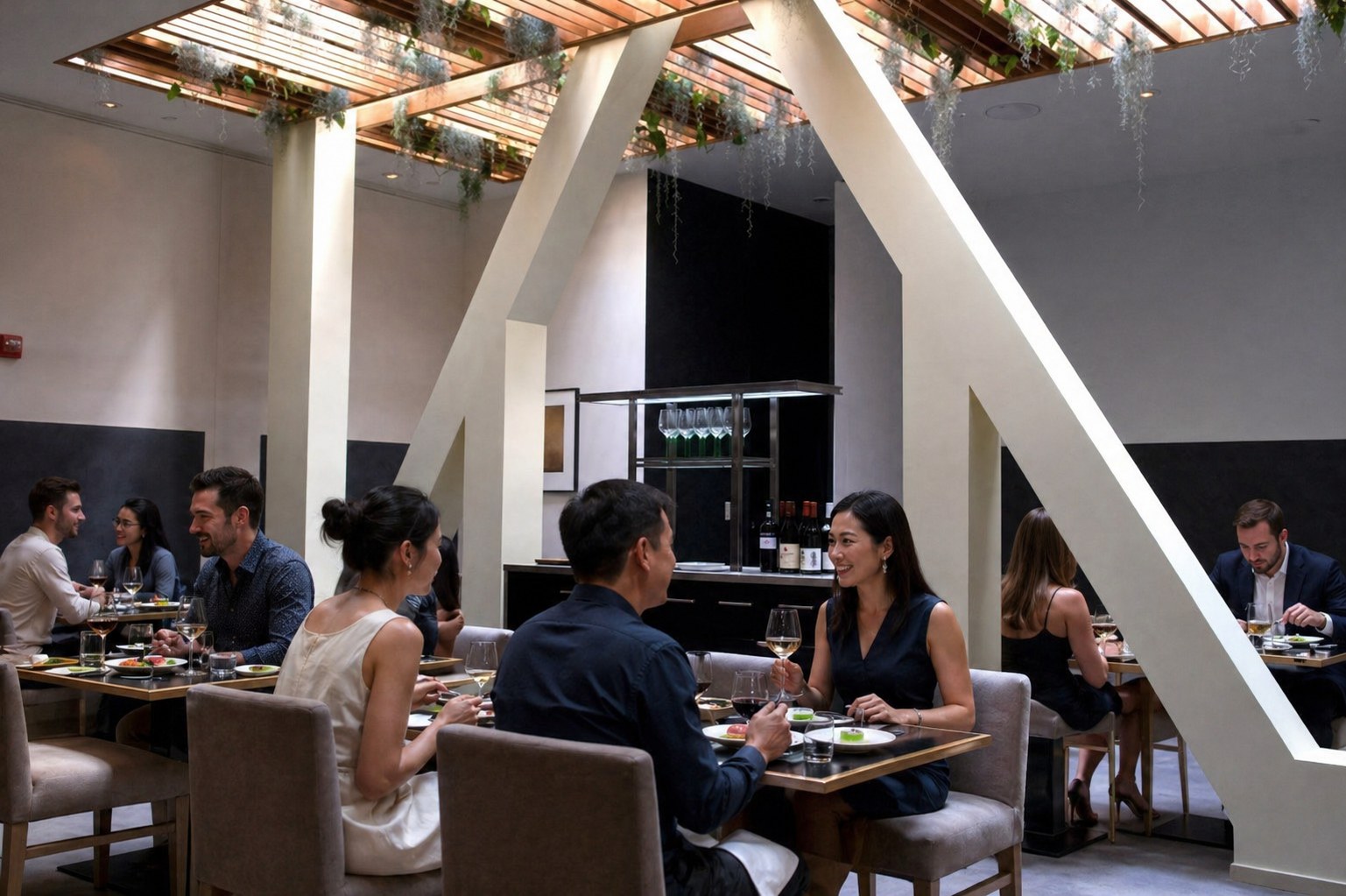
Corey Lee, the former chef de cuisine at Yountville's French Laundry, opened Benu in 2010 in a quiet alley off Hawthorne and made it the first San Francisco restaurant to earn three Michelin stars in 2014 — a rating it has held every year since. Lee was also the first Korean chef in America to hit three stars. The 40-seat dining room is studiously minimalist, and the menu is a long, technical interrogation of what Asian fine dining can be when filtered through California ingredients and French-Laundry rigor.
Phone: (415) 685-4860
Signature dish: "Thousand-year-old quail egg" with potage, ginger, and bonito — a one-bite course that has stayed on the menu for more than a decade.
What to expect: A 15-to-20-course tasting menu over 2.5 to 3 hours. Smart-casual is the floor; the room is calm, the lighting is warm, and the pacing is deliberate. Closed Sunday and Monday.
Price: ~$425 per person prepaid, plus optional wine pairings
Reservations: Essential — Tock-only, prepaid, releases 30 days out at 10am.
Reserve online: Book a table
Best for: Tasting-menu pilgrims; anyone who wants to taste the SF that Michelin reviewers see
Swan Oyster Depot
Inspired by real photos
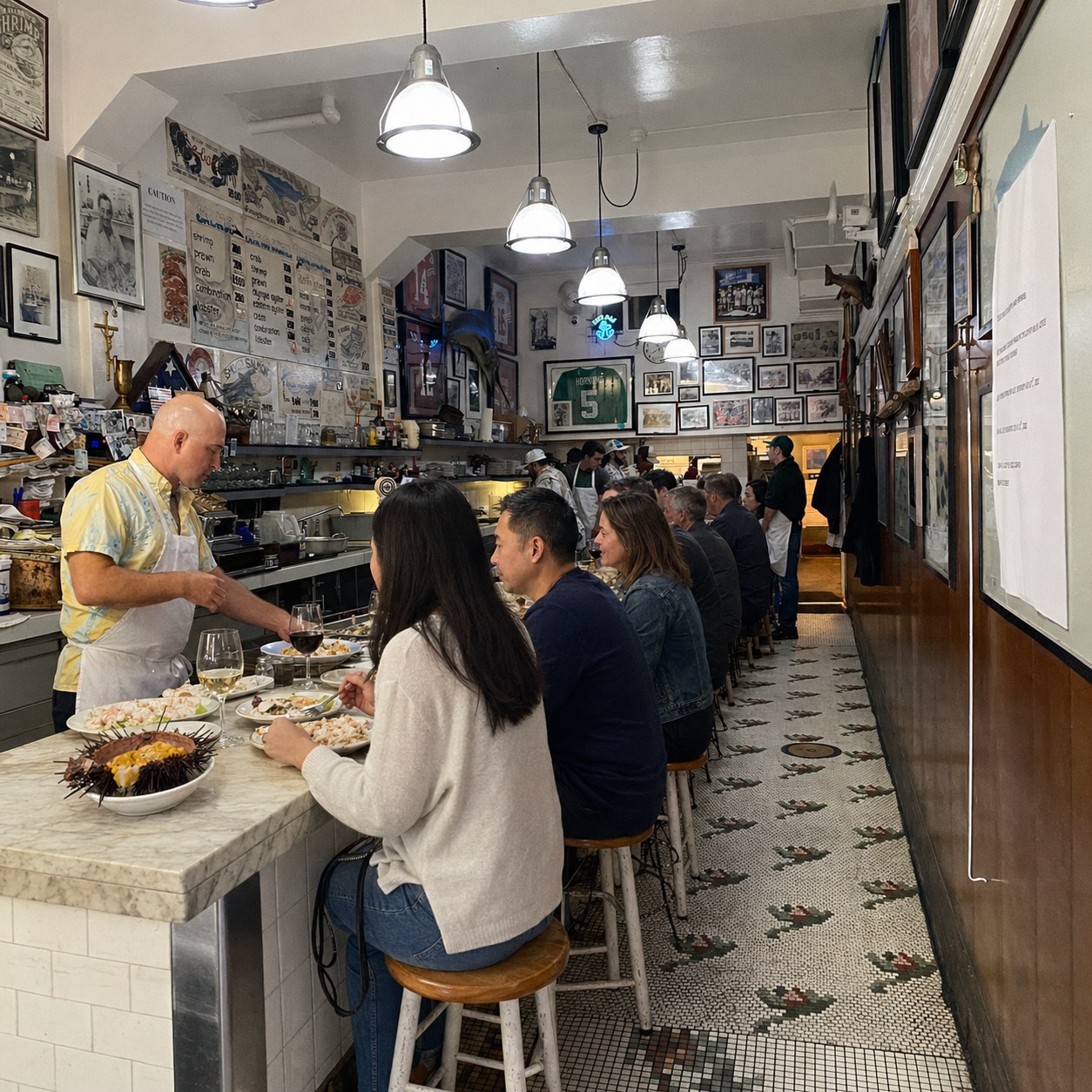
Eighteen wooden stools, one marble counter, no tables — Swan has been doing seafood the same way since the post-1906-earthquake rebuild in 1912. The original Lausten family (Danish immigrants) sold to the Sancimino family in 1946, and the Sanciminos still run it. Anthony Bourdain called it "true love"; locals call it the only honest seafood counter left in the city. There's no kitchen — just a marble slab, fresh fish, oysters from the morning, and one of the country's great clam chowders.
Phone: (415) 673-1101
Signature dish: Combo plate with crab, prawns, and oysters on the half shell, plus a cup of New England clam chowder.
What to expect: A line down Polk Street that starts before they open at 8 am. Lunch only, six days a week, no reservations, no credit cards. Service is gruff-friendly and fast.
Price: ~$30–$70 per person depending on whether you go full Dungeness crab
Reservations: Walk-ins only — no reservations of any kind. Arrive 20+ minutes before opening if you don't want to queue.
Best for: A real, unscripted SF lunch; out-of-town guests who want the genuine article
Zuni Café
Inspired by real photos
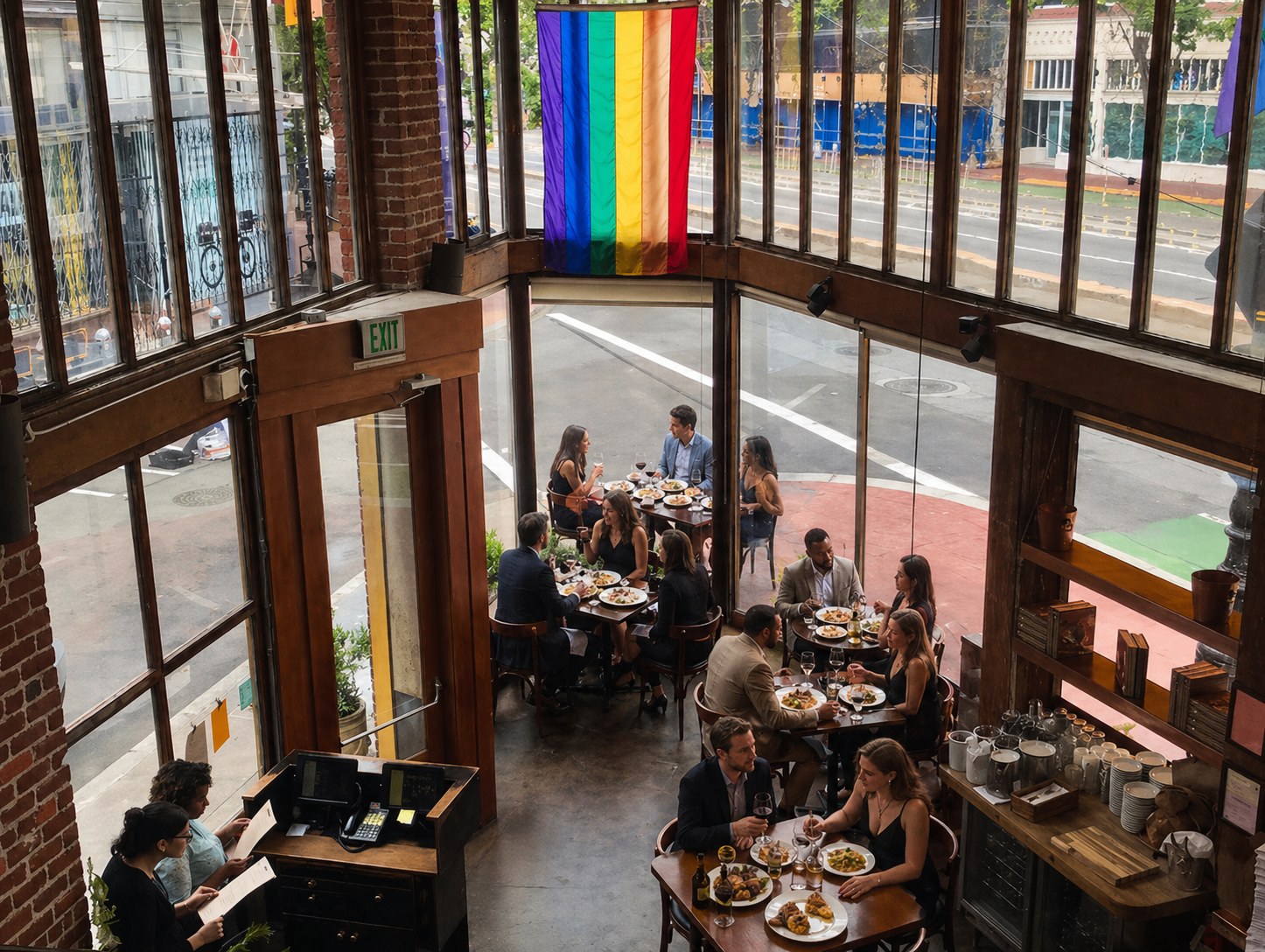
The late Judy Rodgers (JBF Outstanding Chef, 2004) took over Zuni's kitchen in 1987 and rebuilt it into one of the most influential American restaurants of the late 20th century — a rustic, ingredient-driven room where brick-oven cooking and a Caesar made the way they should be made set the template for what California cuisine would become. The James Beard Foundation named Zuni the Outstanding Restaurant in America in 2003. The dining room itself is a quirky triangular wedge on Market Street with a copper bar, exposed brick, and a wood-fired oven you can see from your seat.
Phone: (415) 552-2522
Signature dish: Whole brick-oven roast chicken for two, served on warm bread salad with currants, scallions, and pine nuts. (Order it the moment you sit down — it takes an hour.)
What to expect: Casual but considered; the bartenders are some of the best in the city. Lunch and dinner; no dress code beyond "look like an adult." Closed Mondays.
Price: ~$60–$110 per person; the chicken-for-two is around $80 total
Reservations: Recommended — direct via the Zuni website (Tock-powered) or by phone, up to 60 days out.
Reserve online: Book a table
Best for: A long boozy lunch; a date that won't try too hard
Tartine Bakery
Inspired by real photos
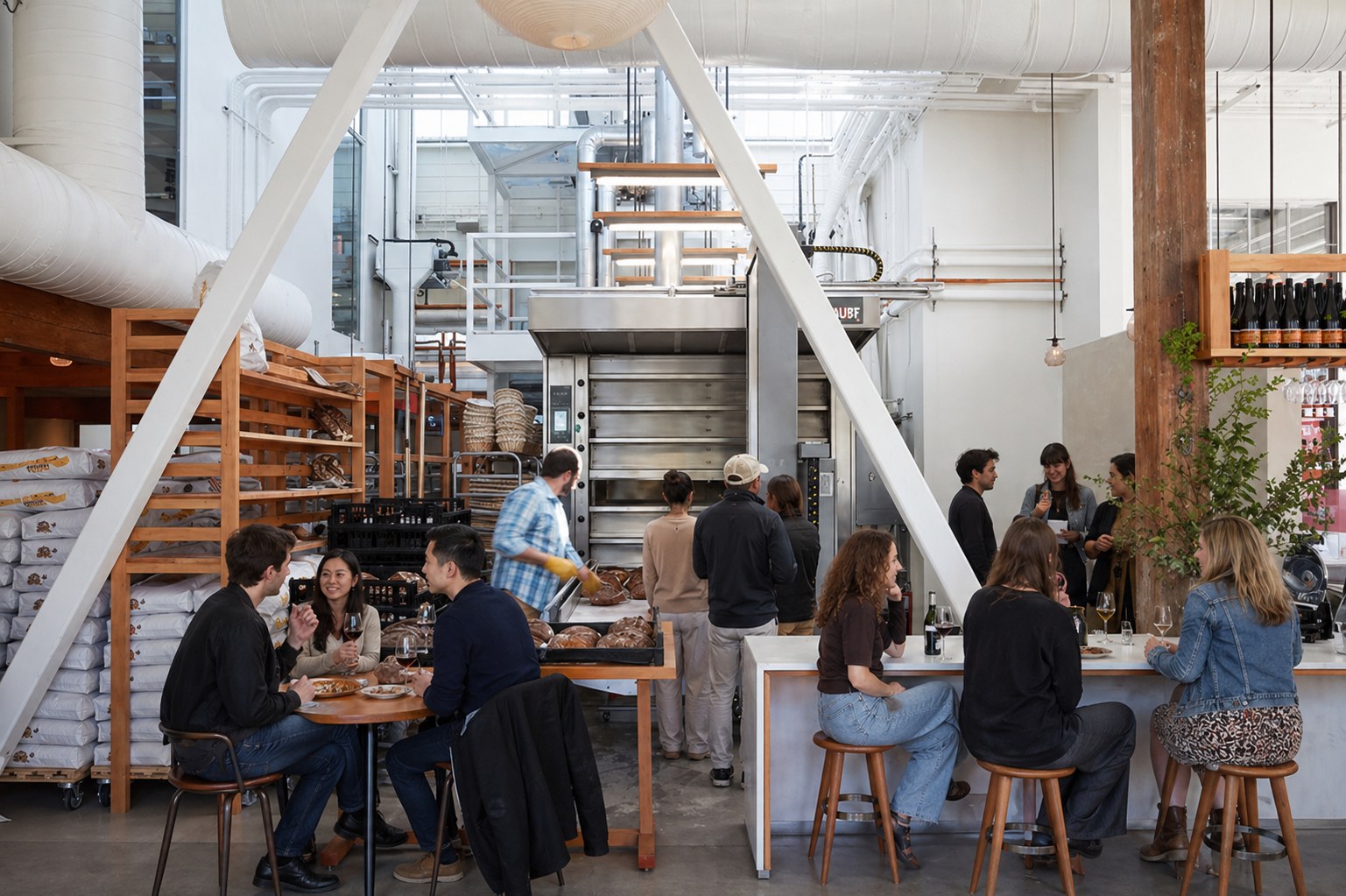
Chad Robertson and Elisabeth Prueitt opened Tartine in 2002 and won the James Beard Award for Outstanding Pastry Chef in 2008. The bakery is the reason a generation of American home bakers learned to talk about hydration, levain, and bulk fermentation — Robertson's country loaf became the most copied bread of the 21st century. The corner shop at 18th and Guerrero still bakes 240 of those loaves a day; they sell out within an hour of coming out of the oven.
Phone: (415) 487-2600
Signature dish: A morning bun (cardamom-flecked croissant dough rolled in cinnamon sugar) and a slice of Tartine country bread, butter, sea salt.
What to expect: A line on the sidewalk, basically always. Counter-service only, small interior, no table service. The line moves fast.
Price: ~$10–$20 per person for a pastry-and-coffee or sandwich-and-loaf visit
Reservations: Walk-in only; reservations only available for groups (not for individual diners).
Best for: A weekend morning detour; bringing a loaf to dinner
State Bird Provisions
Inspired by real photos
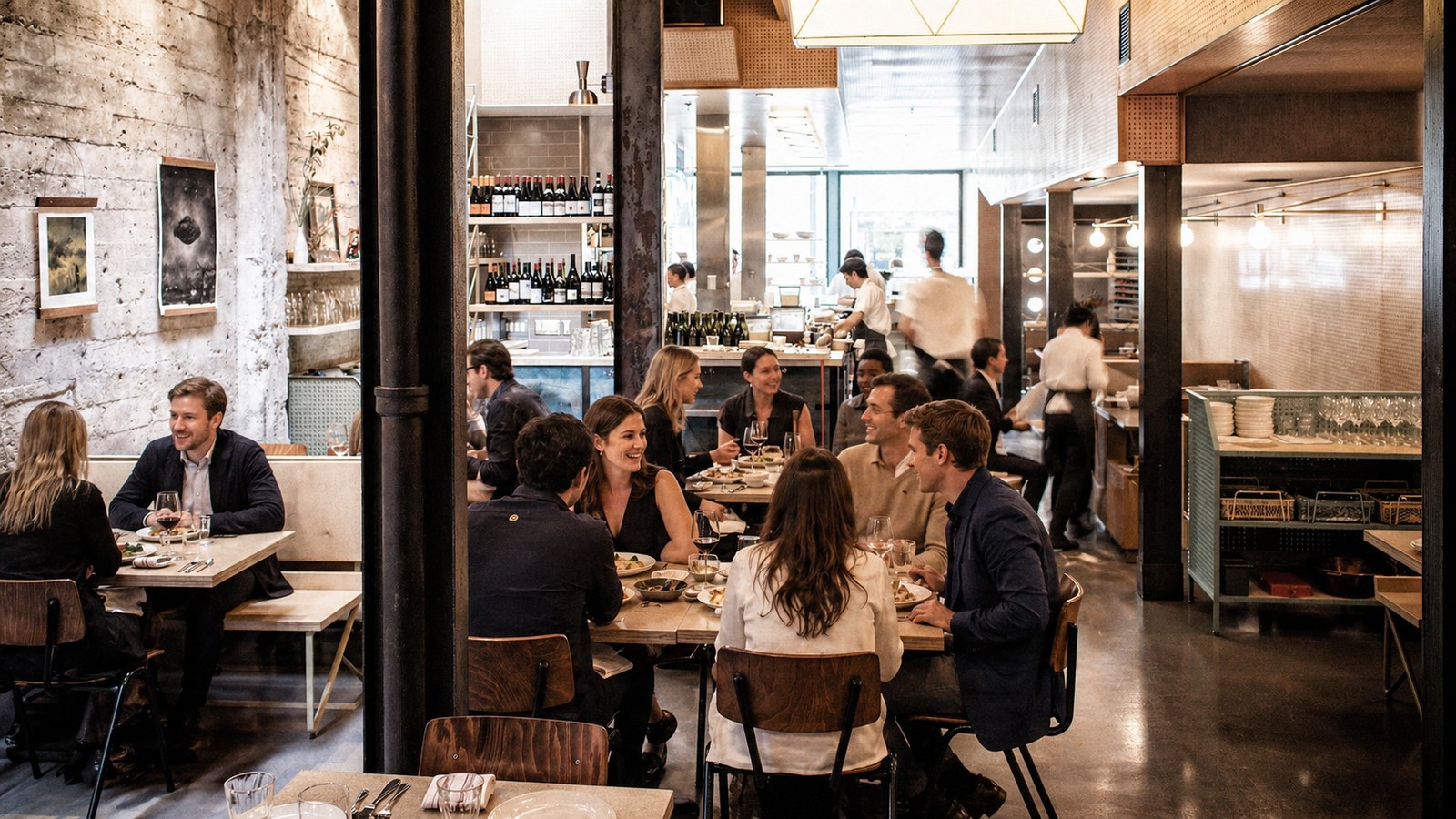
Stuart Brioza and Nicole Krasinski opened State Bird Provisions in 2012 with a then-radical idea: serve American small plates from rolling dim-sum carts. The format works — Brioza and Krasinski won the James Beard Award for Best Chef: West in 2015, and the restaurant has held a Michelin star since 2013. The signature is a brined, fried California quail (the state bird, hence the name) served with stewed onions, an inheritance from their old job at Rubicon.
Phone: (415) 795-1272
Signature dish: California quail with provisions — fried, brined, and served with sweet-savory stewed onions.
What to expect: A brisk, high-energy 60-seat room where servers wheel small-plate carts to your table and you grab what looks good. Loud, fun, fast. Reservations via Tock; walk-ins lined up at 5 pm have a real shot at the bar.
Price: ~$80–$120 per person, depending on how many cart pulls you make
Reservations: Essential for a table — Tock-only, releases 60 days out. Walk-in line for the bar starts forming around 5 pm.
Reserve online: Book a table
Best for: A first-night-in-SF dinner; out-of-towners who like to graze
Mister Jiu's
Inspired by real photos
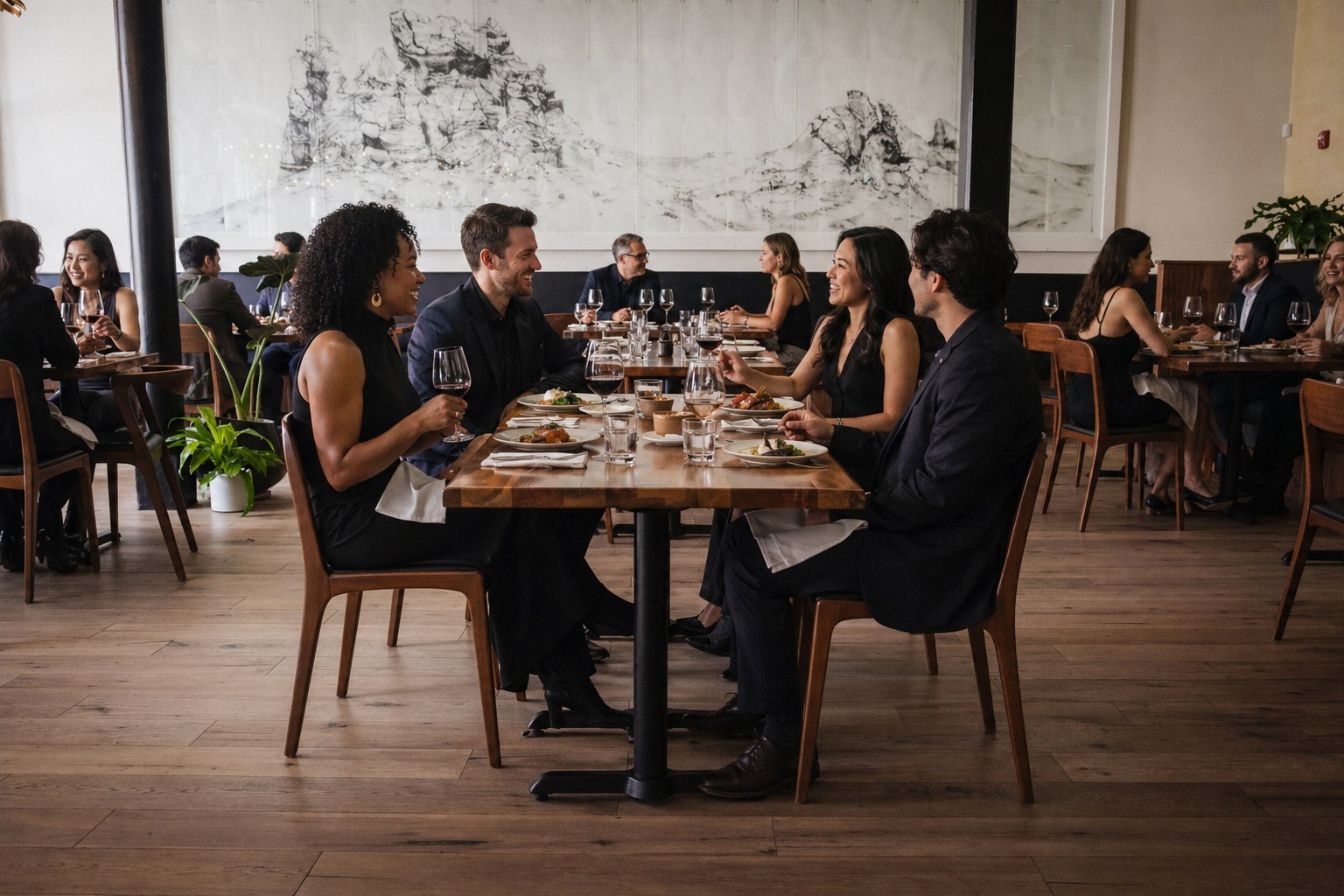
Brandon Jew opened Mister Jiu's in 2016 in the second-floor banquet hall of an 1880s Chinatown building — the same room that once housed Four Seas Restaurant, where his family ate at weddings. Six months in, it became the first Chinese restaurant in San Francisco history to earn a Michelin star. Jew won James Beard Best Chef California in 2022, and his cookbook Mister Jiu's in Chinatown won a Beard award the same year. The food is recognizably Cantonese — roast duck, salt-and-pepper Dungeness crab, sourdough scallion pancake — but routed through California ingredients and modern technique.
Phone: (415) 857-9688
Signature dish: Sourdough scallion pancake (Tartine-collab dough, hot mustard, hoisin) and the roast duck for two.
What to expect: A handsome, lantern-lit second-floor dining room with skyline views over Portsmouth Square. Smart-casual; the cocktail program at the adjacent Moongate Lounge is one of the best in town. Closed Sunday and Monday.
Price: ~$90–$140 per person
Reservations: Essential — book on Resy 30 days out.
Reserve online: Book a table
Best for: A celebratory Chinatown dinner; a date that's a step up from the usual
La Taqueria
Inspired by real photos
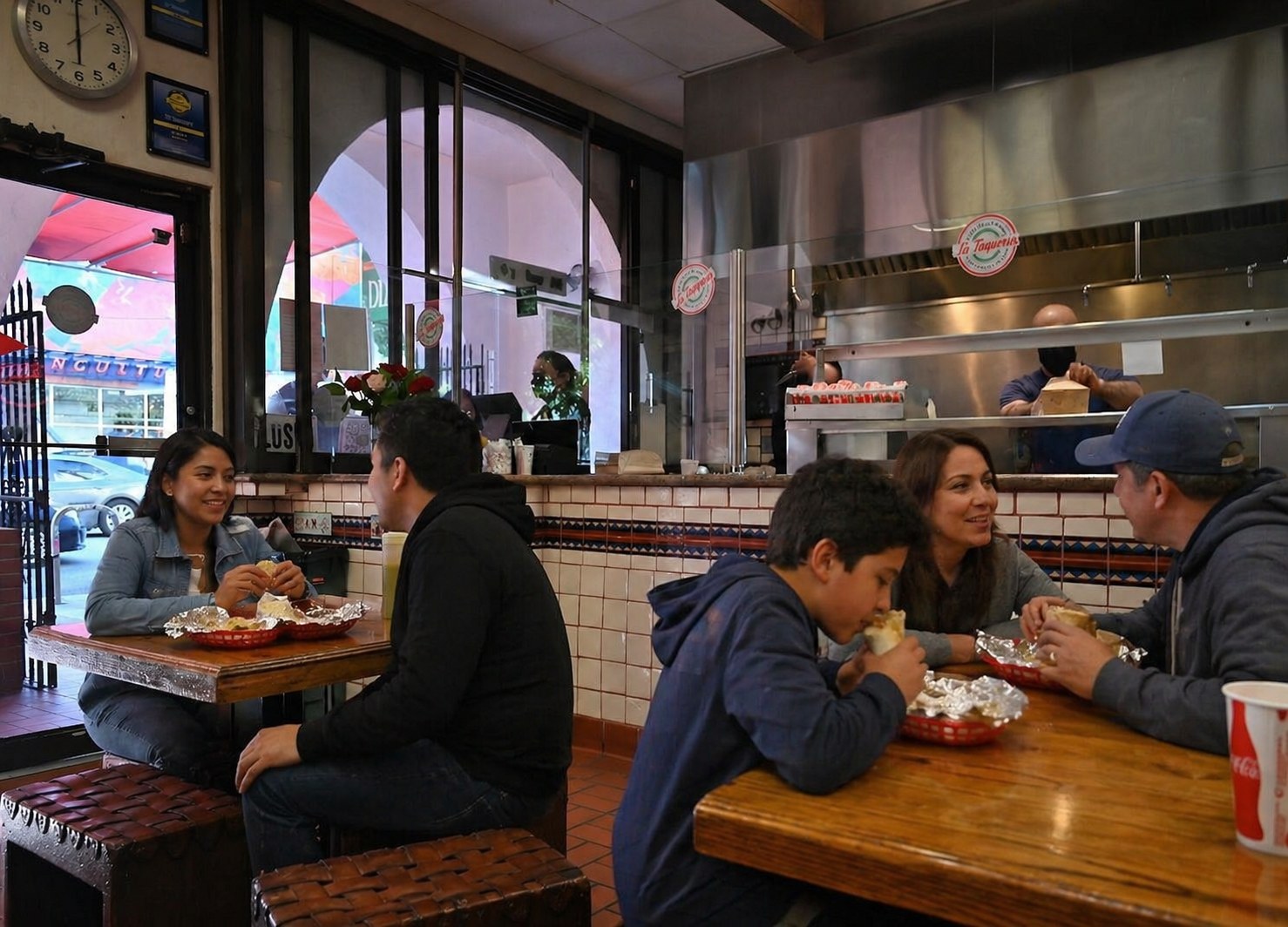
Miguel Jara opened La Taqueria on Mission Street in 1973 with no formal training, just memories of the food he grew up with in Tijuana. Bon Appétit credits him with inventing the Mission-style burrito; FiveThirtyEight named his the best burrito in the country in 2014; the James Beard Foundation gave La Taqueria its America's Classic award in 2017. The format is unusual — Jara skips the rice and doubles down on meat, and finishes the burrito on a flat-top so the foil is golden-brown when it hits your tray.
Phone: (415) 285-7117
Signature dish: Carnitas burrito, dorado (griddled), with everything — beans, salsa, cheese, sour cream, avocado.
What to expect: Counter service, plastic trays, wooden booths, line out the door at lunch. Closed Mondays and Tuesdays.
Price: ~$15–$22 per person
Reservations: Walk-in only — no reservations.
Best for: A no-fuss lunch; the answer when someone asks "where's the best burrito in town?"
Nopa
Inspired by real photos
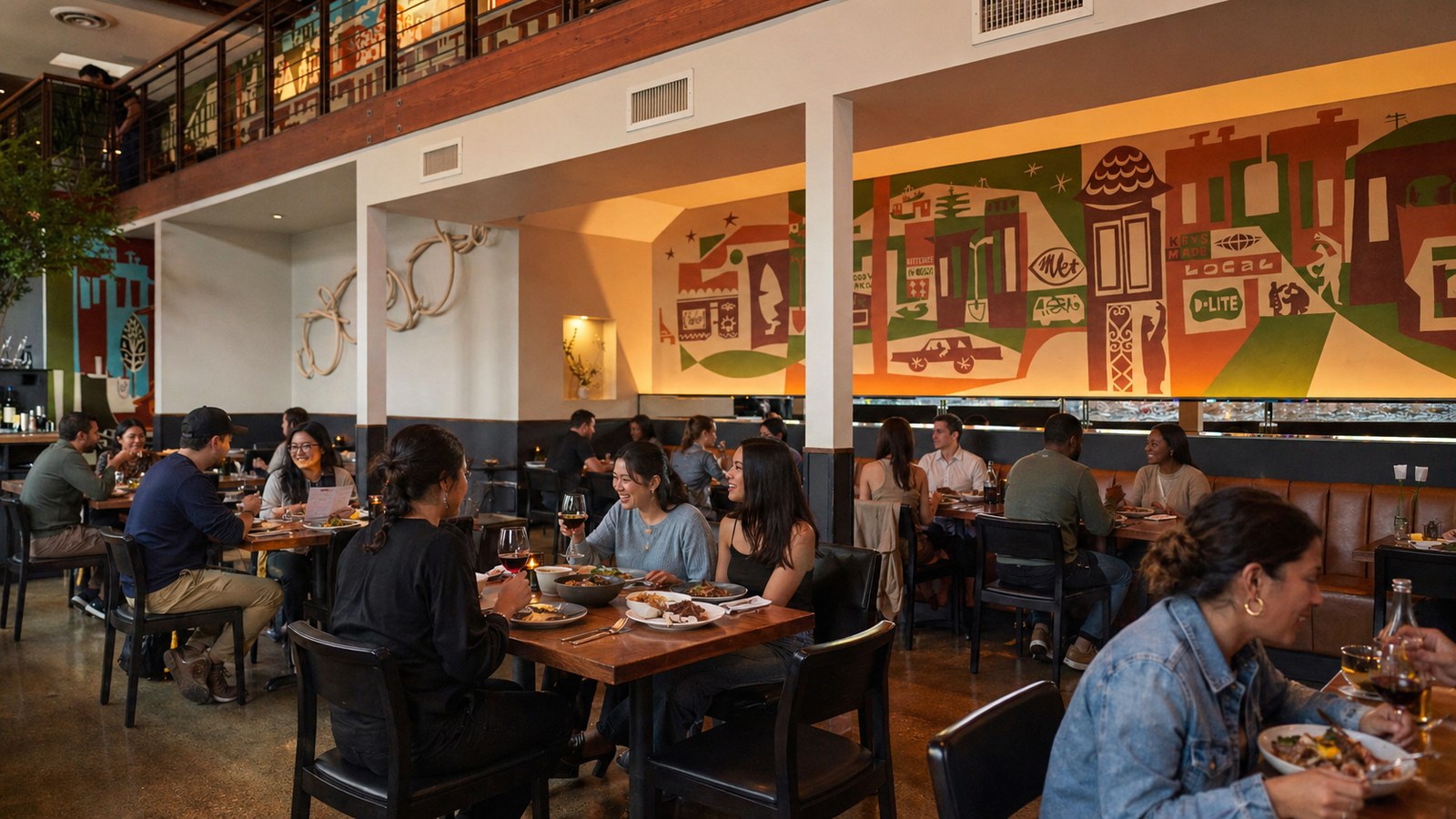
Nopa opened in 2006 in a former laundromat at Divisadero and Hayes and effectively named its neighborhood — the area is now universally called NoPa, after the restaurant. Chef-owner Laurence Jossel runs a wood-burning oven as the heart of the kitchen and a menu that defined the casual end of California cuisine for the late 2000s and 2010s: organic pork chop with romesco, the famous Nopa burger, a vegetable plate that's never the afterthought. The dining room runs late by SF standards — kitchen until midnight on weekends — and locals treat the bar as a second living room.
Phone: (415) 864-8643
Signature dish: Grass-fed Nopa burger with caramelized onions and french fries — the top-selling item, by a wide margin, even though Jossel is best known for the pork chop.
What to expect: A high-ceilinged, mural-painted room that runs loud and warm. No real dress code. The bar opens earlier than the dining room and is first-come, first-served.
Price: ~$55–$90 per person
Reservations: Recommended via OpenTable; the bar is walk-in.
Reserve online: Book a table
Best for: A late dinner after a show; a long, casual catch-up over wine
Liholiho Yacht Club
Inspired by real photos
Ravi Kapur grew up in Hawaii to a Native-Hawaiian-Chinese mother and an Indian father, cooked his way through SF's high-end kitchens, and in January 2015 opened Liholiho Yacht Club as a love letter to the food he ate growing up — luau party food, plate-lunch flavor, but composed by a chef who came up at Boulevard. The restaurant earned a James Beard Best New Restaurant nomination its first year and has held a Michelin Bib Gourmand. The room is loud, the cocktails are strong, and the menu is unapologetically about sharing.
Phone: (415) 440-5446
Signature dish: Tuna poke with macadamia nuts on house-made nori crackers; baked Hawaii dessert (a riff on baked Alaska with coconut ice cream and torched meringue).
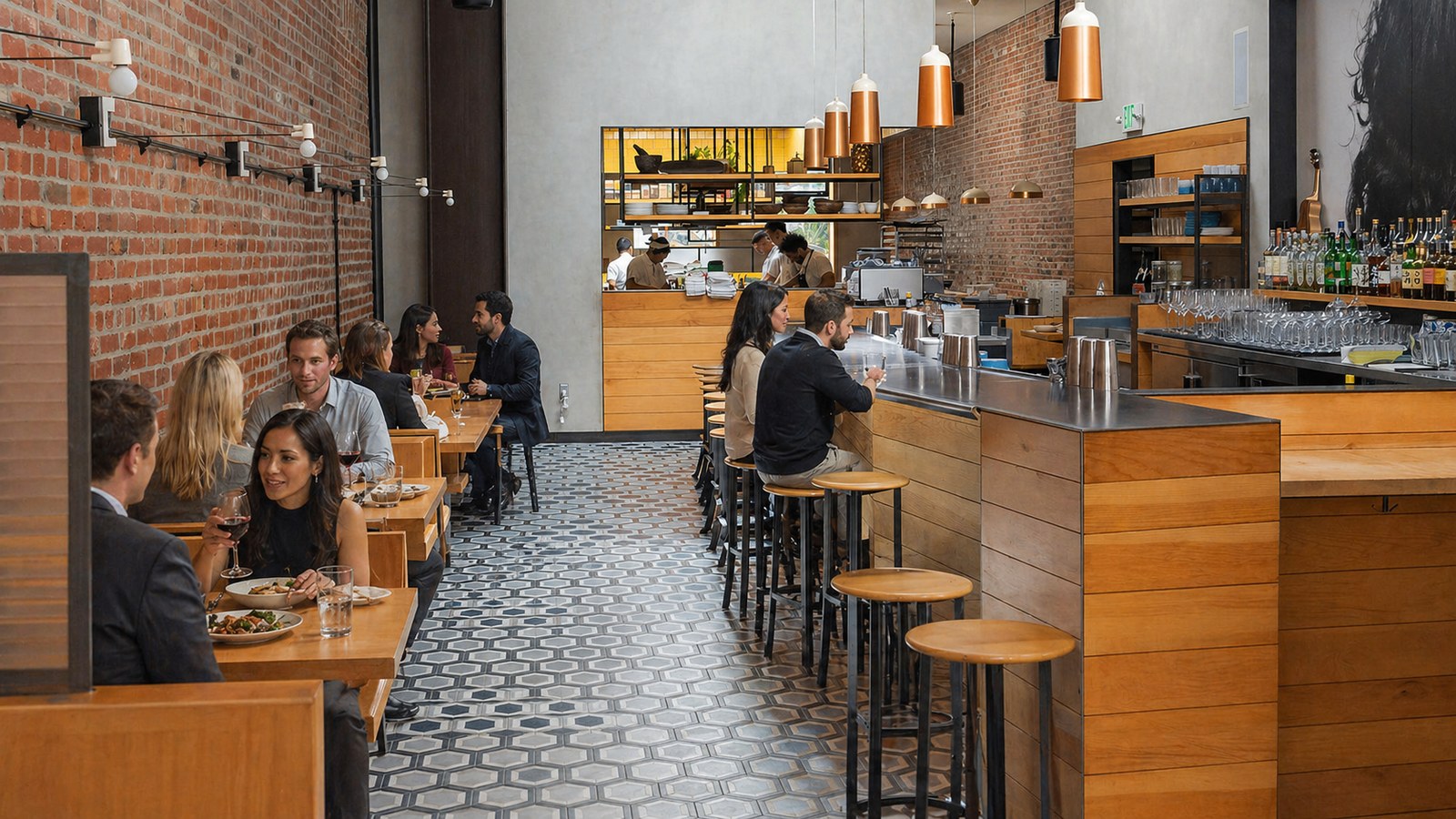
What to expect: A high-energy, mid-sized dining room with an open kitchen. Music's loud, the room's busy. Reservations are very competitive — Resy releases 30 days out at 10 pm.
Price: ~$70–$110 per person
Reservations: Essential — Resy, 30 days out.
Reserve online: Book a table
Best for: A celebratory group dinner; anyone who wants something distinctly SF that isn't a tasting menu
House of Prime Rib
Inspired by real photos
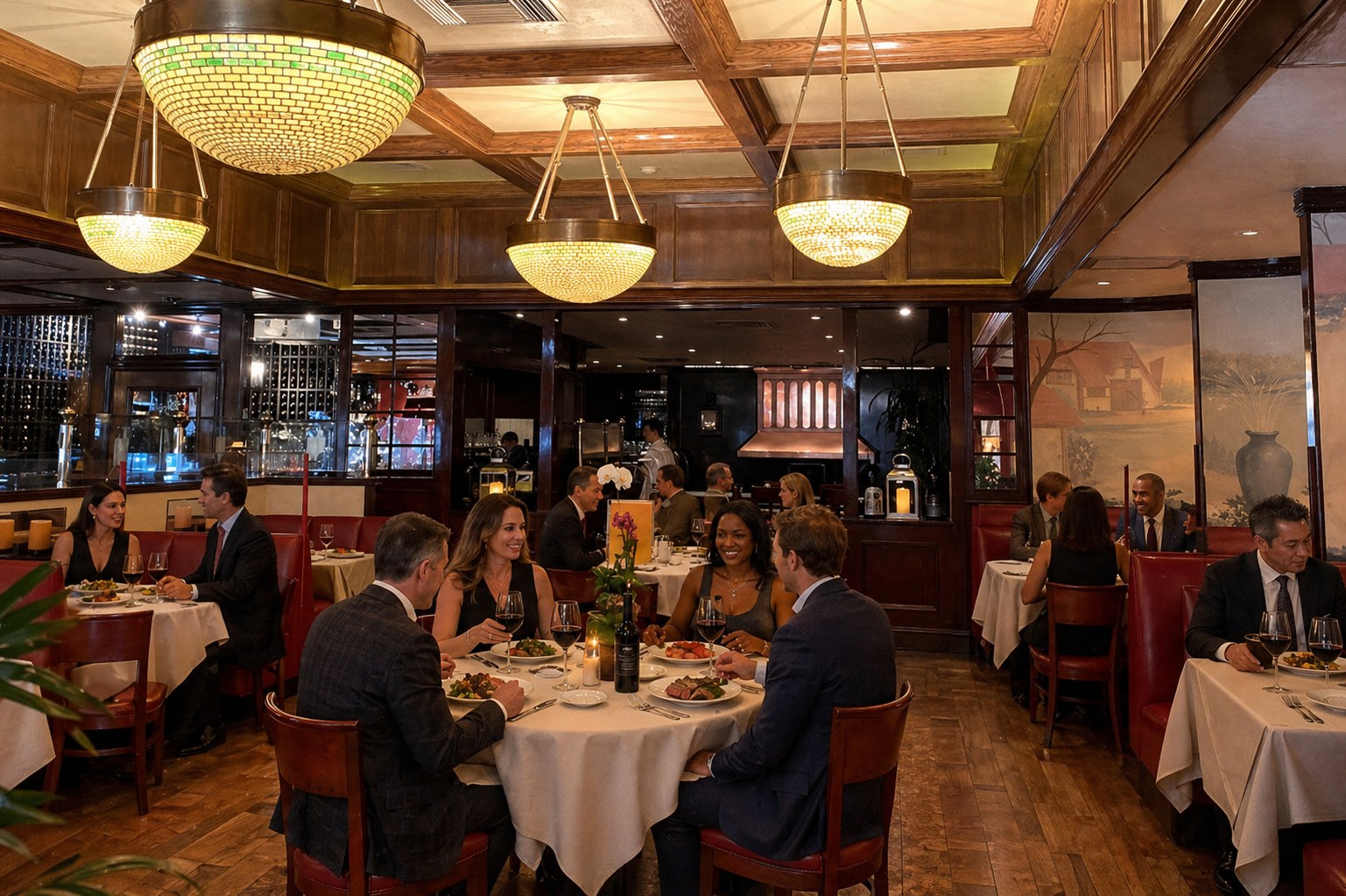
House of Prime Rib opened in 1949 and has barely changed since — same English-style 21-day aged prime rib, same stainless-steel rolling carts, same spinning salad tableside, same red-leather booths. There's exactly one dish on the menu (plus a token fish option for pescatarians). Joe Betz turned it into a SF institution, and OpenTable consistently ranks it among the most-booked restaurants in America. It feels like a movie set; in many ways, it is one.
Phone: (415) 885-4605
Signature dish: Prime rib (pick the "City Cut" for medium-rare without the fat cap, the "English Cut" for thinly sliced traditional, or the "King Henry VIII" if you brought an appetite). Served with the spinning salad, mashed potatoes, creamed spinach, Yorkshire pudding.
What to expect: Two seatings most nights; men in jackets, families celebrating, regulars on first-name basis with the carvers. The dining room is dim, padded, and timeless.
Price: ~$70–$100 per person, all-in with sides included
Reservations: Essential — books up weeks out via OpenTable; bar seating walks in.
Reserve online: Book a table
Best for: Birthday dinners; an old-school evening with parents or grandparents in town
Tony's Pizza Napoletana
Inspired by real photos
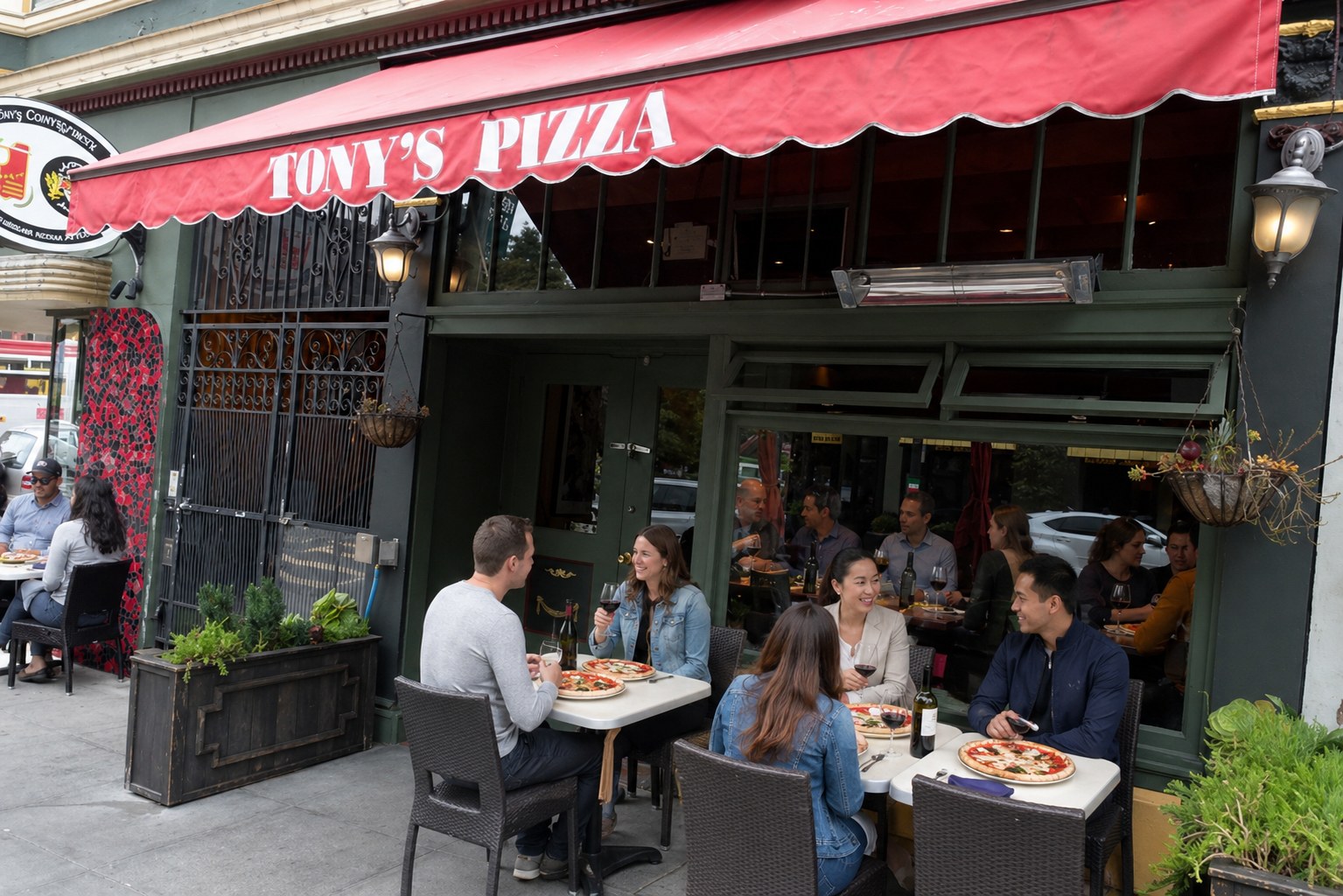
Tony Gemignani is a 13-time World Pizza Champion and the first American to win the World Champion Pizza Maker title in Naples. He opened Tony's Pizza Napoletana in 2009 on Washington Square in North Beach and built it around an unusual premise: seven different ovens, twelve different regional pizza styles. You can order a true Neapolitan margherita next to a Detroit square next to a New Haven white clam — all baked in their proper ovens, with their proper flours. Forbes called it the best pizzeria in America.
Phone: (415) 835-9888
Signature dish: The Margherita Napoletana — limited to 73 a day (Tony's nod to Naples tradition), wood-fired, San Marzano tomatoes, fior di latte, basil. When they're gone, they're gone.
What to expect: A bustling North Beach sit-down restaurant that doubles as a pilgrimage stop for pizza nerds. No reservations — put your name on the waitlist and grab a drink across Washington Square.
Price: ~$25–$45 per person
Reservations: Walk-in only — no reservations; daily waitlist.
Best for: A casual dinner before a North Beach walk; settling a "best pizza in America" argument
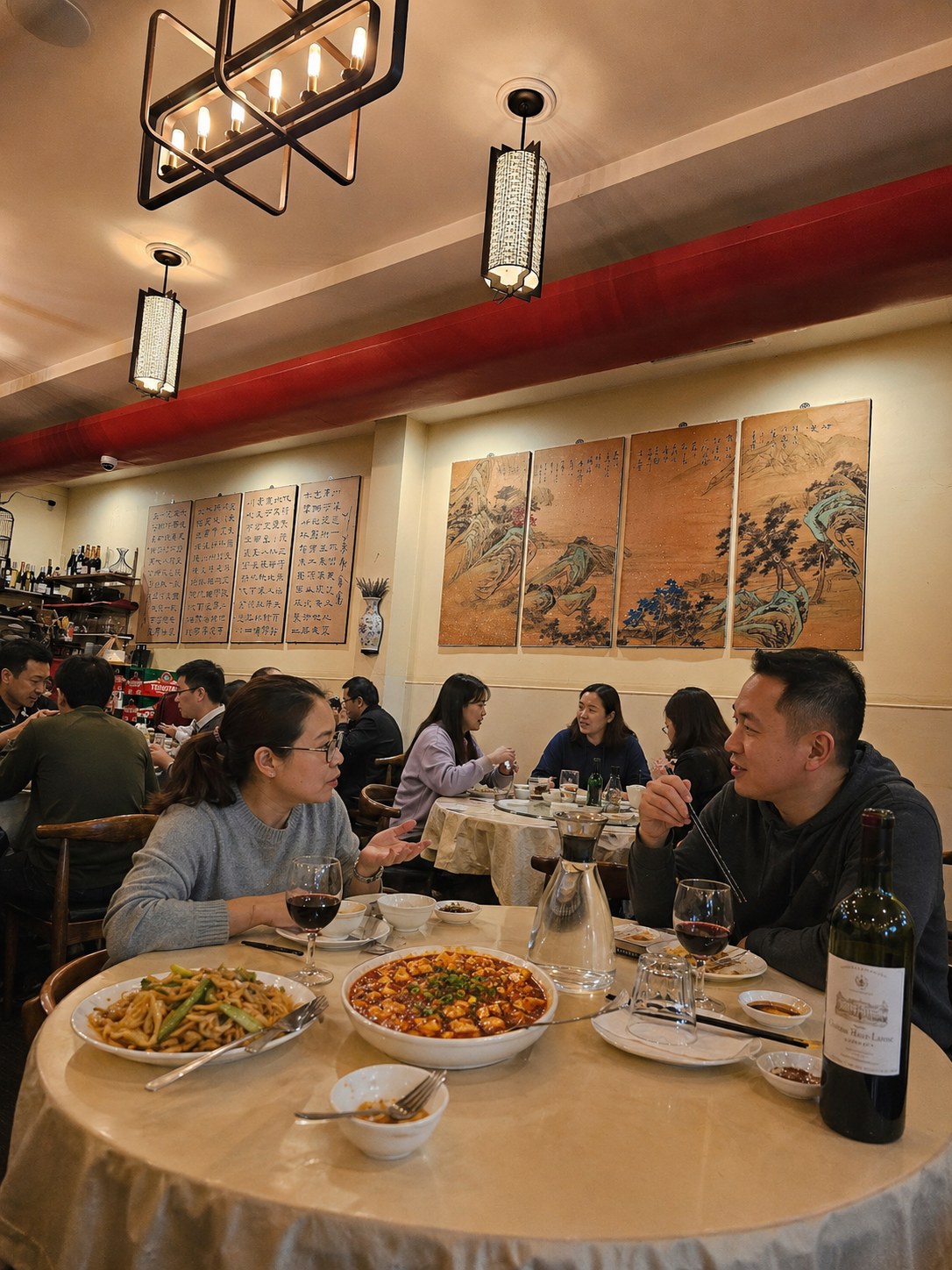
Z & Y Restaurant
Inspired by real photos
Chef Lijun Han, formerly executive chef at the Chinese Consulate in San Francisco where he cooked for two visiting Chinese presidents, opened Z & Y in 2008 on Jackson Street in Chinatown. It's been a Michelin Bib Gourmand pick continuously since 2012 — the Guide's recognition of good quality, good value cooking. This is the SF spot for serious Sichuan: numbing-hot mapo tofu, dan dan noodles with deep chili-oil heat, hand-pulled noodles, fish-flavored eggplant, the works.
Phone: (415) 981-8988
Signature dish: Dan dan noodles — tender hand-pulled noodles, ground pork, peanuts, scallions, pooled with red Sichuan chili oil and topped with a snowfall of crushed peanuts.
What to expect: A bright, no-frills Chinatown dining room. Service is brisk; the heat in the food is real. Closed Tuesdays.
Price: ~$25–$40 per person
Reservations: Recommended for groups of 4+ via OpenTable; smaller parties can usually walk in.
Reserve online: Book a table
Best for: A no-fuss, cuisine-deep lunch or dinner; a late-night spice fix
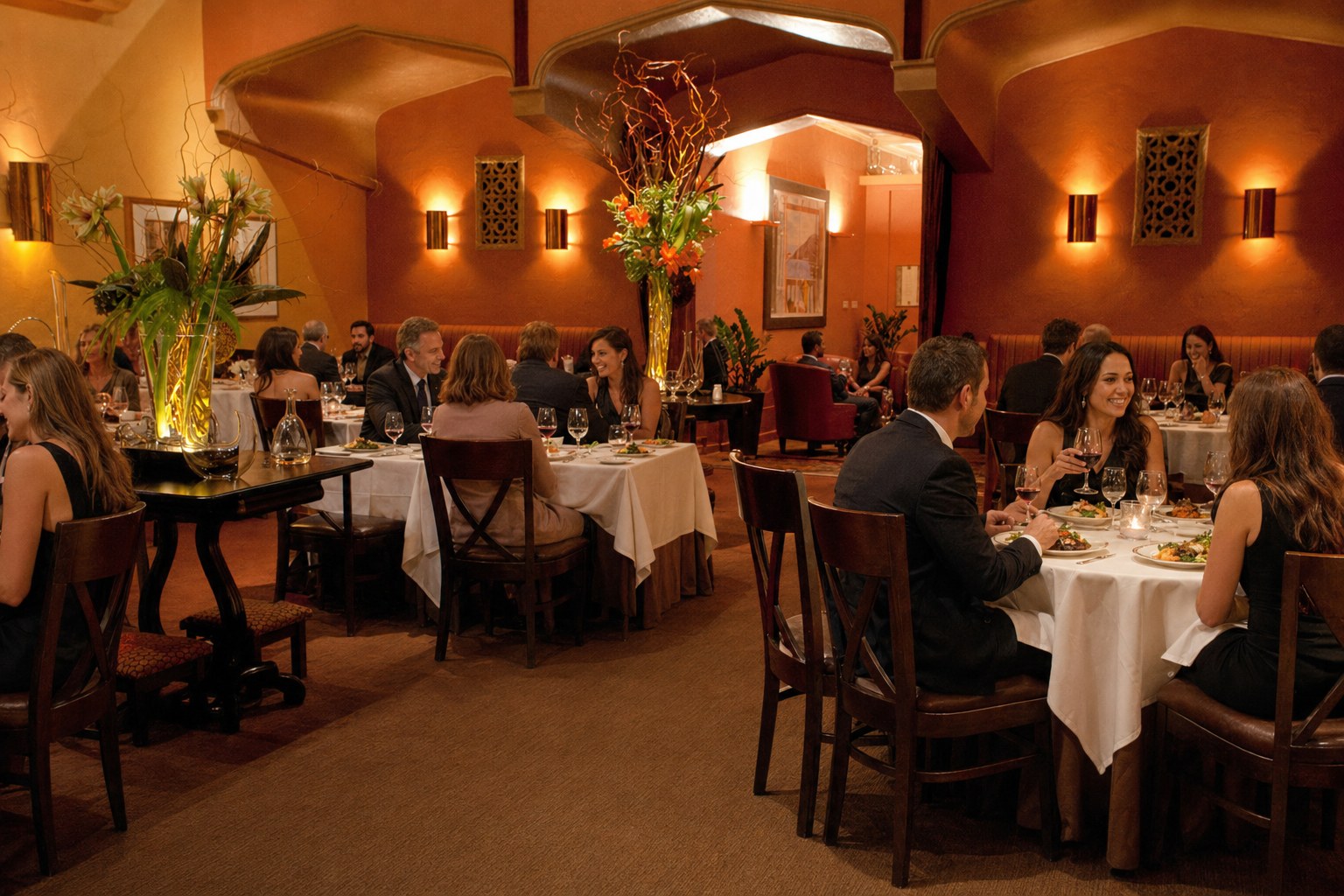
Acquerello
Inspired by real photos
Suzette Gresham opened Acquerello with Giancarlo Paterlini in 1989 in a converted Nob Hill chapel. She earned Acquerello its first Michelin star in 2007 and a second in 2014, making her one of only three female chefs in the U.S. holding two stars at the time. The food is the most quietly refined Italian cooking in the city — handmade pastas, classical sauces, white-truffle service in season — without ever tipping over into showy. The room (still in the old chapel) is hushed and grown-up.
Phone: (415) 567-5432
Signature dish: Pasta with foie gras, black truffles, and Marsala — the dish Acquerello has been making since opening night and the one Gresham won't take off the menu.
What to expect: A quiet, formal dining room with a four-course-minimum tasting menu format. Jacket-not-required-but-welcome. Closed Sunday and Monday.
Price: ~$200–$280 per person before pairings (four-course minimum)
Reservations: Essential — Tock or by phone (not on OpenTable).
Reserve online: Book a table
Best for: Anniversaries; a serious Italian dinner without the volume of a trattoria
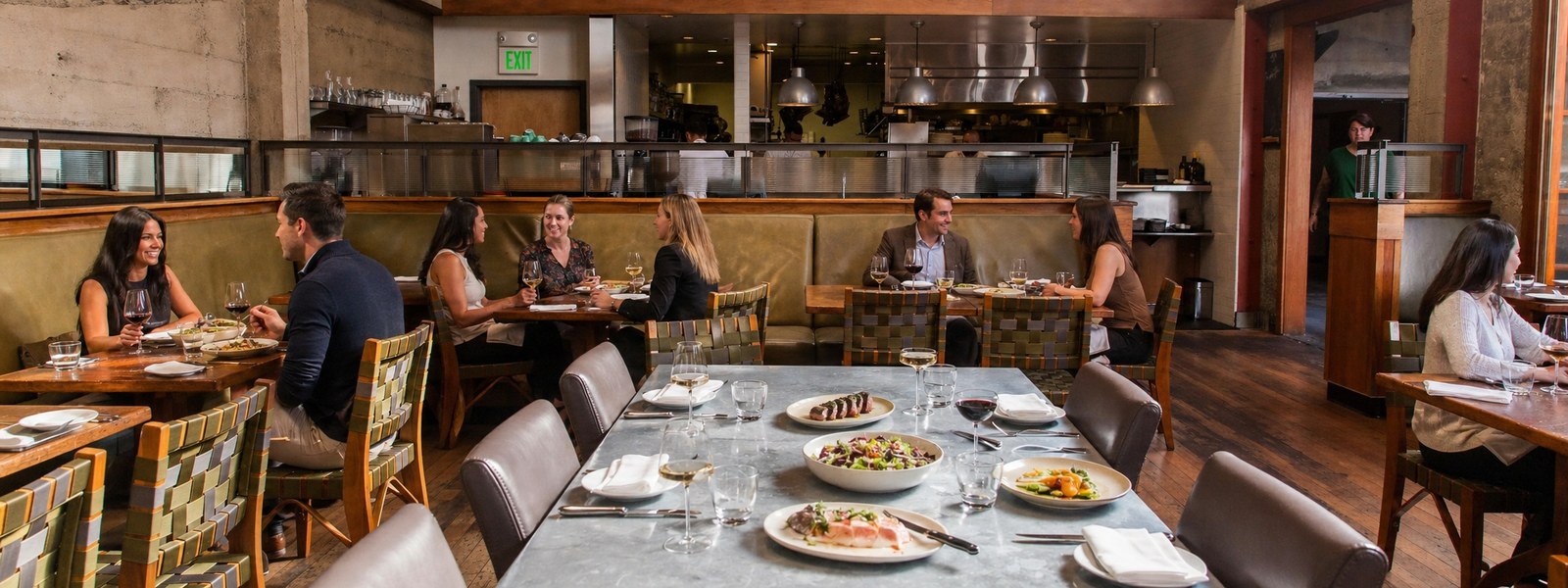
Foreign Cinema
Inspired by real photos
Foreign Cinema opened in 1999 in a former Mission District movie house, and in 2001 the husband-and-wife team Gayle Pirie and John Clark — both Zuni Café and Chez Panisse alumni — took it over and turned it into one of the city's most consistently great California-Mediterranean restaurants. The dining room is cool-industrial, but the soul of the place is the back courtyard, where they project foreign and indie films onto a brick wall every night while you eat. The "Pop Tart" at brunch and the cookies-and-milk dessert are city institutions; the kitchen has held a San Francisco Chronicle Top 100 spot for more than 20 consecutive years.
Phone: (415) 648-7600
Signature dish: "Pop Tarts" with seasonal fruit fillings at brunch; the wood-oven roast chicken with bread salad at dinner.
What to expect: A heated, blanket-supplied courtyard with a film projection; a long brunch on weekends with one of the best-poured Bloody Mary lists in town. The interior is warmer when the fog comes in.
Price: ~$60–$100 per person at dinner; ~$30–$50 at brunch
Reservations: Recommended — OpenTable, up to 60 days out.
Reserve online: Book a table
Best for: A first-date dinner that isn't trying too hard; weekend brunch with out-of-towners
Exploring San Francisco's Food Scene by Cuisine
Sourdough Bread
San Francisco sourdough is not a regional spin on a national tradition — it is its own bread, made possible by Lactobacillus sanfranciscensis, a wild bacterium that thrives in the Bay Area climate and gives local sourdough its distinctive tang. Boudin Bakery has been baking with the same mother starter on the same site since 1849. A century and a half later, Chad Robertson and Elisabeth Prueitt's Tartine Bakery reinvented the tradition for a new generation; Robertson's country loaf became the most-copied bread of the 21st century.
Mission Burrito
The Mission burrito — oversized flour tortilla, rice, beans, meat, salsa, foil-wrapped, eaten standing up if necessary — was invented in the Mission District somewhere between 1961 and 1969, depending on which taqueria you trust. Either way, the format spread from the Mission's Mexican immigrant kitchens through the rest of the country and is now the default American idea of "burrito." The canonical SF version is the carnitas burrito at La Taqueria, which Bon Appétit credits with inventing the style.
Cioppino
Cioppino is San Francisco's signature seafood stew — Dungeness crab, clams, mussels, shrimp, and white fish in a tomato-wine broth — created in the late 1800s by Italian and Portuguese fishermen working off Meiggs Wharf (now Fisherman's Wharf) and living in North Beach. The name comes from the Genoese ciuppin, "little soup"; the format came from whatever was left in the boat at the end of the day. The earliest printed recipe appears in the San Francisco Call in 1901.
Dungeness Crab
Dungeness crab season opens in mid-November and runs through spring, and around San Francisco it is treated less like a dish and more like a holiday. Cracked Dungeness crab — boiled, broken at the table, eaten with melted butter or sourdough — has been a Bay Area Thanksgiving and Christmas tradition for more than a century, going back to the Italian fishing families who served it from sidewalk cauldrons at Fisherman's Wharf in the early 1900s. Find it whole-cracked at Swan Oyster Depot and salt-and-pepper-fried at Mister Jiu's in Chinatown when it's in season.
Dim Sum
San Francisco served dim sum in America before anywhere else: Hang Ah Tea Room, in a Chinatown alley, has been making it since 1920 and is credited as the oldest dim sum house in the country. The Cantonese tradition of small steamed and fried plates pushed around on rolling carts arrived with the first generation of immigrants and has been continuously refined through the four generations of Chinese-American cooking that followed. Find the old-school cart-pushed version in Chinatown's banquet halls and the modern, contemporized take at Mister Jiu's.
California Cuisine
California cuisine — ingredient-first, seasonal, sourced from named farms, light on technique-for-its-own-sake — was incubated across the bay at Alice Waters's Chez Panisse in Berkeley starting in 1971, but San Francisco is where the style was scaled up into an industry. The defining SF rooms are Zuni Café (the brick-oven roast chicken on bread salad is the canonical California-cuisine dish), Foreign Cinema in the Mission, and Nopa on Divisadero, which translated the philosophy into something casual enough for a Tuesday night.
Where to Eat: San Francisco by Neighborhood
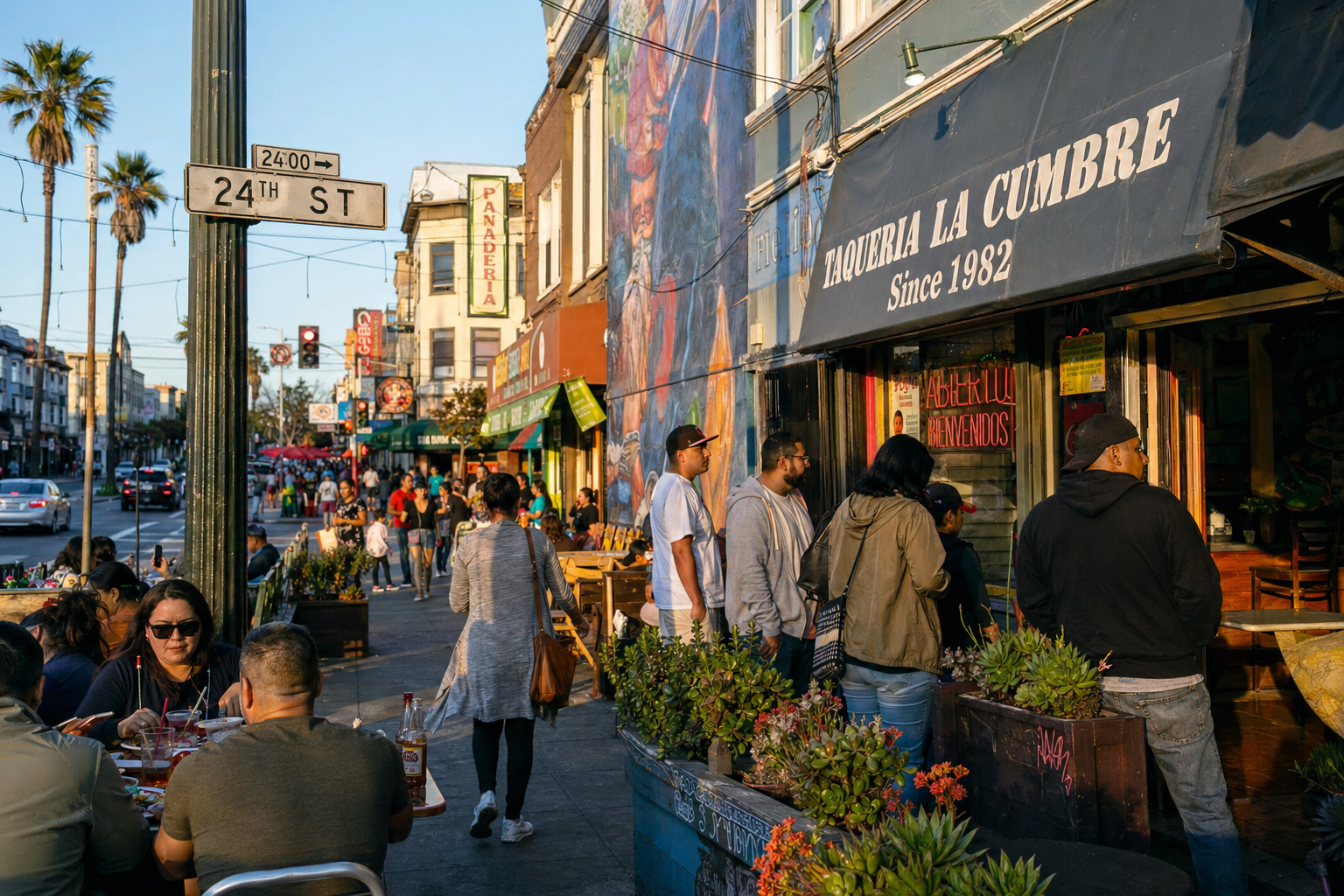
Mission District
The Mission is the heart of Latino San Francisco and the single most important neighborhood for understanding how the city eats day-to-day. Mexican families began settling here in large numbers in the 1940s, and by the 1960s the corridor along Mission Street and 24th Street had become a dense grid of taquerias, panaderías, and pupuserías — the kitchens that gave the city the Mission burrito. La Taqueria (a James Beard America's Classic) is the canonical lunch stop; Tartine Bakery a few blocks west is the canonical morning one; Foreign Cinema's projector-lit courtyard is the canonical dinner. Walking in, expect murals, Spanish on every block, lines out the door at the famous taquerias, and a creative-class layer that has settled in over the past two decades.
Chinatown
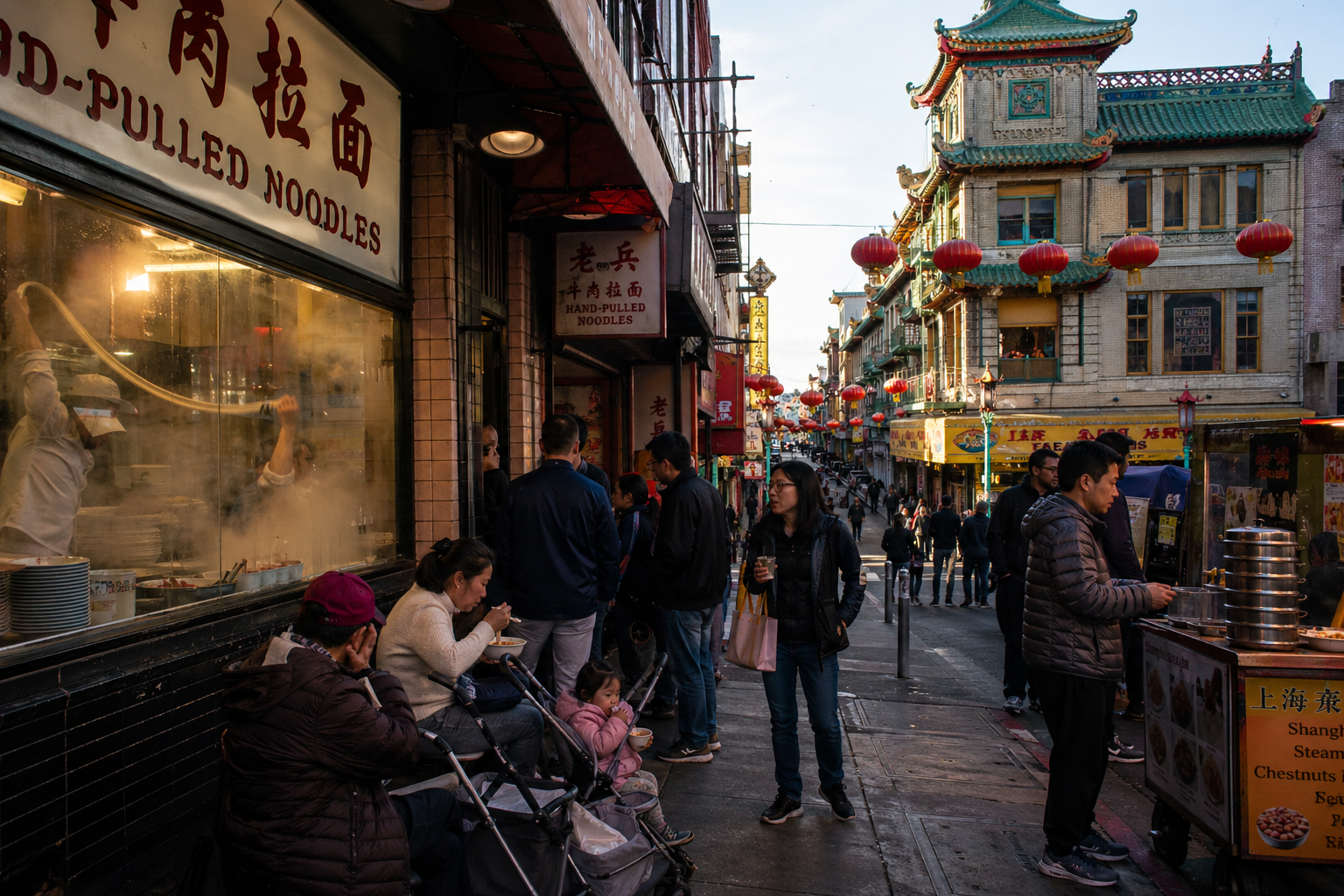
San Francisco's Chinatown is the oldest in North America and still the largest Chinese community outside of Asia, packed into roughly 24 city blocks above the Financial District. Hang Ah Tea Room has been serving dim sum since 1920 and is widely credited as the first dim sum house in the United States. Two of our 15 picks anchor Chinatown: Brandon Jew's Mister Jiu's, the first Chinese restaurant in SF history to earn a Michelin star, set in a 19th-century banquet hall above Waverly Place; and Chef Lijun Han's Z & Y on Jackson Street, a Michelin Bib Gourmand for serious Sichuan cooking. Walking in, expect narrow sidewalks, hand-pulled noodles in steam-fogged windows, and dining options that range from $8 noodle bowls to $150-a-head chef's tables — sometimes on the same block.
North Beach
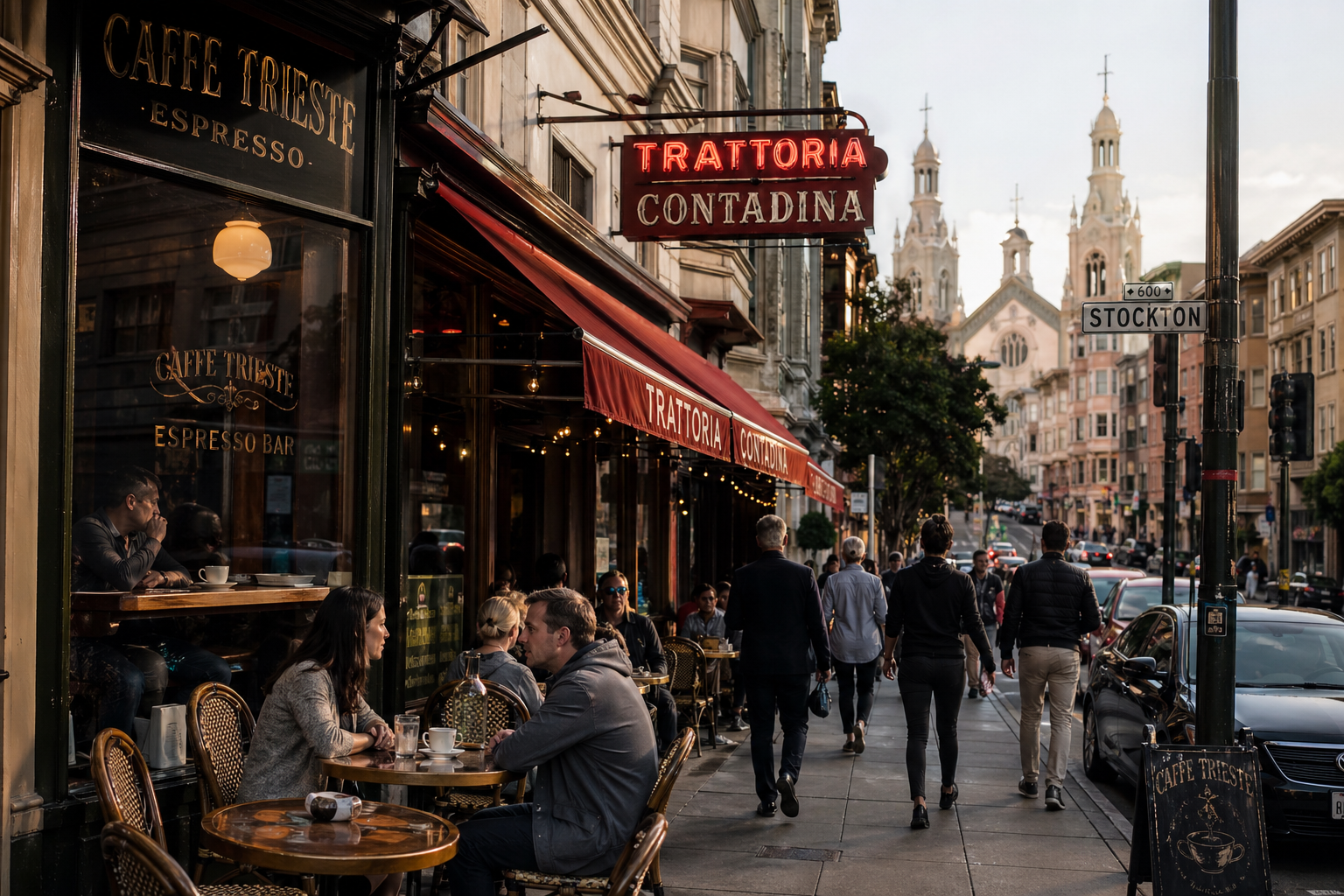
North Beach is San Francisco's Little Italy, settled by Genoese and Sicilian immigrants in the late 19th century and rebuilt as the heart of Italian San Francisco after the 1906 earthquake. Fior d'Italia, founded here in 1886, is the oldest continuously operating Italian restaurant in America. In the 1950s the neighborhood's cafes became the home of the Beat poets, and that double identity — old-country Italian and bohemian San Francisco — still shapes how it eats. Tony's Pizza Napoletana on Washington Square, our pick, is run by 13-time World Pizza Champion Tony Gemignani and bakes 12 different regional pizza styles in seven different ovens. Walking in, expect espresso bars, family-run trattorias on every other corner, and the smell of garlic from Stockton Street.
Hayes Valley & Western Addition
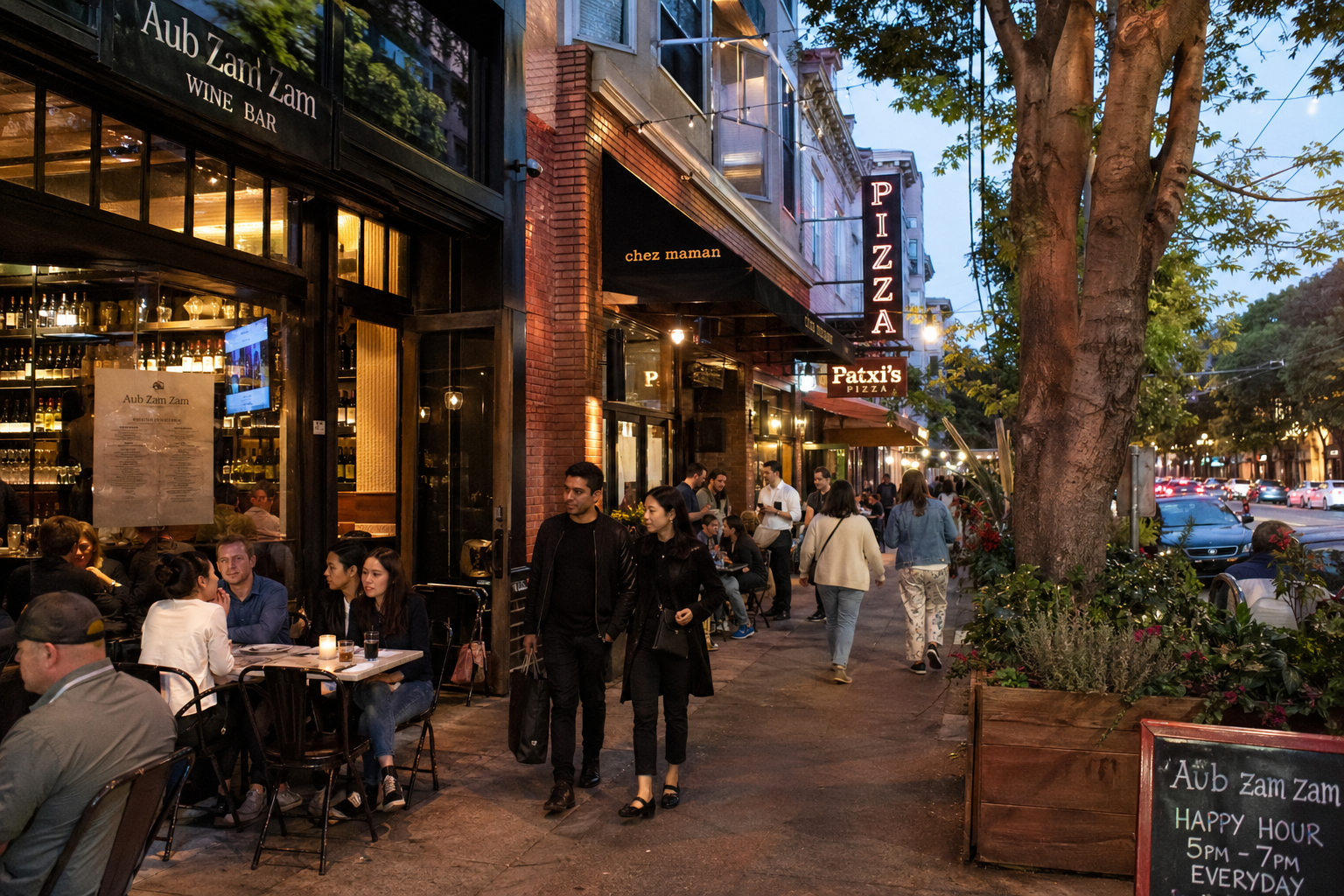
This is the corridor running west from City Hall through Hayes Valley into the Western Addition and out to NoPa (the area around Divisadero north of the Panhandle). Hayes Valley spent decades as the dead zone under the Central Freeway; when the freeway was demolished after the 1989 Loma Prieta earthquake, the neighborhood reinvented itself and is now one of the densest restaurant corridors in the city. Three of our picks live here: Zuni Café at the Hayes/Market wedge (James Beard Outstanding Restaurant 2003); State Bird Provisions on Fillmore (Michelin-starred since 2013); and Nopa on Divisadero, whose name the neighborhood now wears. Walking through, expect a mix of design-forward storefronts, holdover dive bars, and restaurants that serve dinner past 11 — rare in a city that mostly closes at 10.
Polk Gulch & Nob Hill
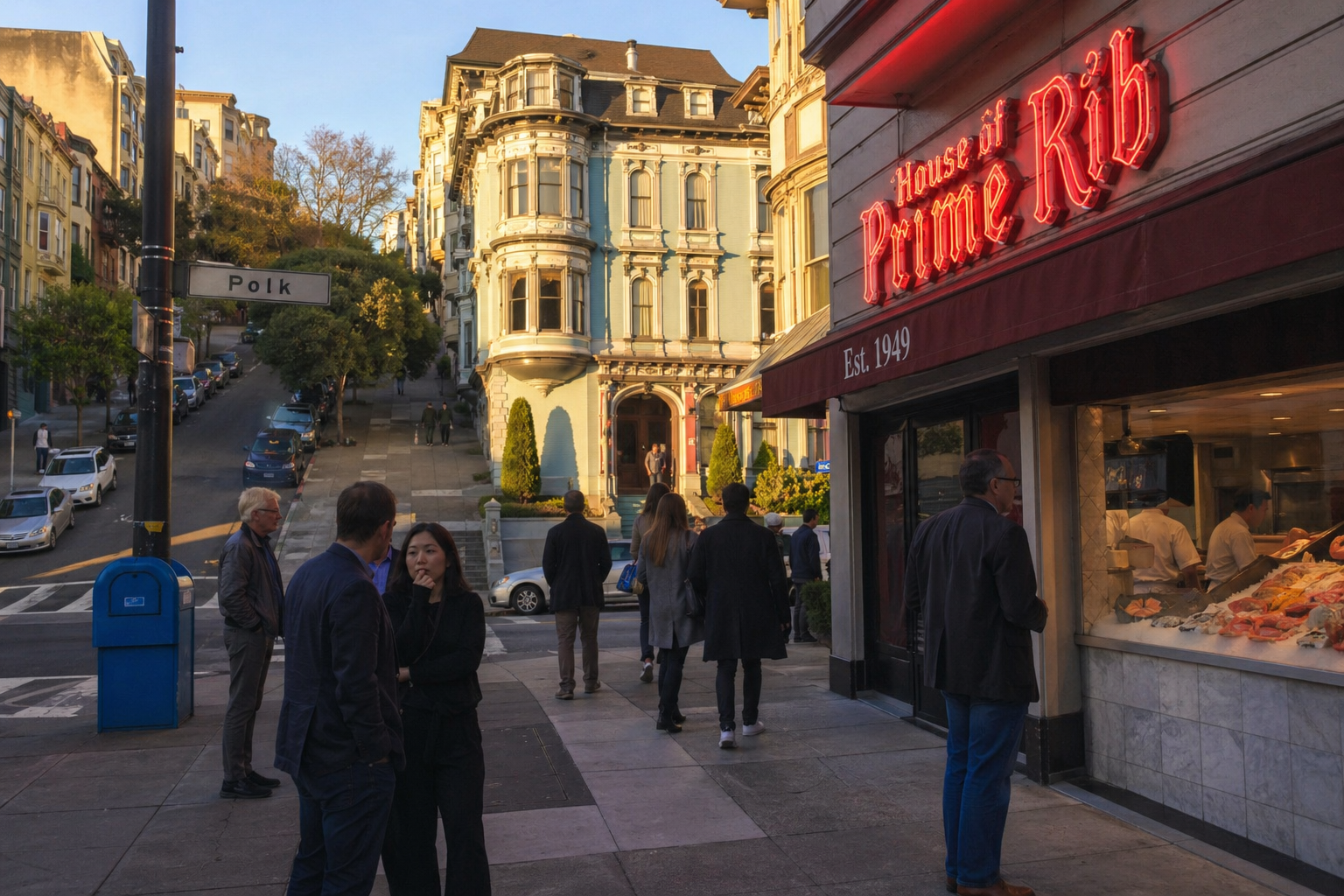
Up the Van Ness corridor, Polk Gulch climbs into Nob Hill — the original 19th-century mansion district, named for the railroad and silver "nabobs" who built there after the cable car made the hill habitable. Three of our picks anchor this stretch: Swan Oyster Depot on Polk Street, an 18-stool marble counter the same Sancimino family has run since 1946; House of Prime Rib on Van Ness, the 1949 dining room where the prime rib still rolls to your table on a stainless-steel cart; and Suzette Gresham's two-Michelin-star Acquerello, set in a converted Sacramento Street chapel since 1989. Together they read as the city's most concentrated stretch of legacy SF dining — three rooms that have each been doing the same thing well for between 35 and 100-plus years. Walking in, expect a less-touristed, residential pace, steep cross-streets, and a sense that the city's culinary memory lives here.
Related Guides & Resources
Eating out in San Francisco this week?
Save 20-40% at restaurants across the city with Restaurant.com gift certificates.
Browse San Francisco Deals on Restaurant.com →Discover More San Francisco Restaurants
Browse the complete ActiveDiner directory of thousands of restaurants in San Francisco, read reviews, make reservations, and find your next favorite spot.
Browse All San Francisco Restaurants