Popular Cities
The 15 Best Restaurants in Chicago
Three Michelin stars, aquarium-smoked ribs, and a food city that never stops reinventing itself
Chicago doesn't need permission to call itself one of America's great food cities — it earned that decades ago with deep dish and Italian beef, then proved it again with a Michelin program that now recognizes over 20 starred restaurants. But what makes Chicago's dining scene truly remarkable isn't the star count. It's the range. On the same day, you can eat a three-Michelin-star tasting menu built around produce from a chef's own farm, the world's first Michelin-starred Filipino restaurant's morning pastries, and rib tips smoked behind bulletproof glass on the South Side. This guide covers the 15 restaurants that capture what Chicago is right now — ambitious, diverse, rooted, and always hungry for what's next.
Our Selection Methodology
These 15 restaurants were selected based on: Michelin Guide recognition (including three-, two-, and one-star designations), James Beard Foundation awards and nominations, consistent excellence across multiple years, range of cuisines and price points, neighborhood representation across the city, and genuine impact on Chicago's food culture.
Price points range from $10 rib tip plates at a South Side institution to $285+ tasting menus at one of the most acclaimed restaurants in America. We've included everything from a deep dish pizza counter to a 20-seat farm-driven fine dining room — what connects them is that each one is doing something nobody else in Chicago does quite as well.
Smyth
Inspired by real photos
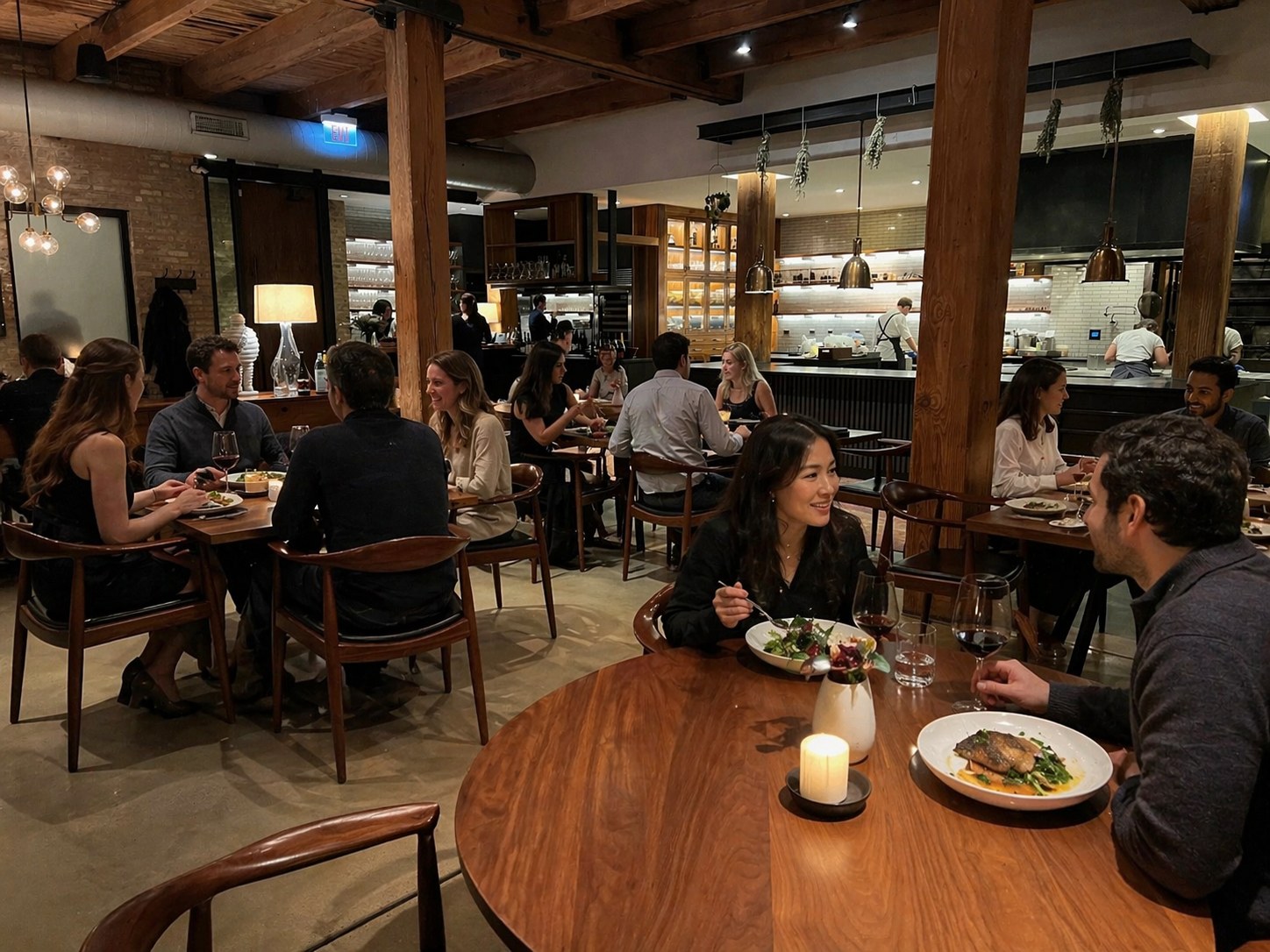
Chicago's only three-Michelin-star restaurant doesn't look or feel like a temple of fine dining, and that's entirely the point. John Shields and Karen Urie Shields built Smyth around a radical idea: cook only what grows within a tight radius of the restaurant, and let the seasons dictate the menu completely. The result is a 12-15 course progression that tastes like the Midwest — earthy, surprising, and layered with the kind of complexity that only comes from ingredients picked that morning. A spring course might arrive as a single perfect morel mushroom with ramp butter and wild garlic. By fall, the menu shifts to root vegetables and late-harvest grains presented with a precision that justifies every star. The dining room is spare and warm — reclaimed wood, natural light, zero pretension. The third Michelin star, Chicago's only one, feels less like an award and more like an acknowledgment of something that was already self-evident.
Phone: (773) 913-3773
Signature dish: The tasting menu itself — a seasonal progression that changes with every harvest from their network of small farms
What to expect: Refined but grounded. No tablecloths, no formality for its own sake. Expect 2.5-3 hours of deeply seasonal, technically flawless cooking.
Price: Tasting menu ~$285 per person; beverage pairing additional
Reservations: Essential. Book via Tock well in advance — this is the hardest reservation in Chicago.
Reserve online: Book a table
Best for: The meal you'll describe in detail for years, convincing anyone that the Midwest produces world-class fine dining
Kasama
Inspired by real photos
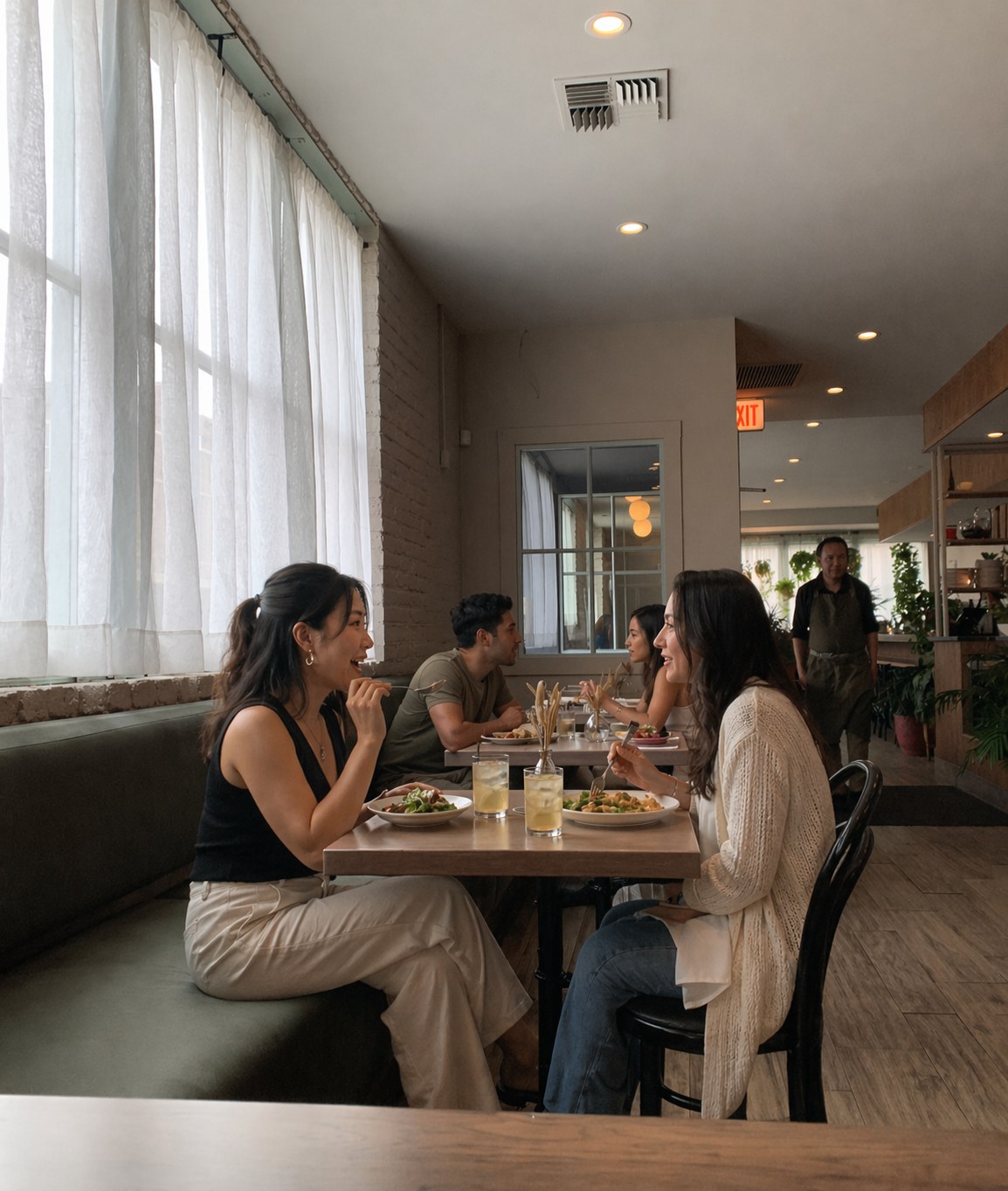
Tim Flores and Genie Kwon built something that shouldn't work on paper: a daytime Filipino bakery and brunch spot that transforms into a multi-course tasting menu destination by night. Both halves are extraordinary. The morning pastries — a twice-baked croissant stuffed with ube cream, longanisa breakfast sandwiches on house-baked bread — draw lines that wrap around the block in West Town. But the evening tasting menu is where Kasama earned its history. In 2022, it became the world's first Michelin-starred Filipino restaurant. In 2025, it earned its second star. The dinner courses thread Filipino flavors through fine dining technique without losing the warmth of either tradition — a lumpia spring roll reimagined as a delicate crunch alongside uni, a sinigang broth that carries the tartness of tamarind into something entirely new. Flores and Kwon prove that the most exciting food often comes from kitchens that refuse to choose between honoring a tradition and pushing it forward.
Phone: (773) 697-3790
Signature dish: The ube croissant by day; the multi-course Filipino tasting menu by night — you need both experiences
What to expect: Morning: casual bakery with counter service, expect a line. Evening: intimate tasting menu, 8-12 courses, smart casual.
Price: Bakery items $5-18; evening tasting menu ~$175 per person
Reservations: Morning is first-come. Evening requires advance booking via Tock — seats sell fast.
Reserve online: Book a table
Best for: Making history by eating at the world's most decorated Filipino restaurant, pastry lovers, anyone who thinks they've seen it all
Alinea
Inspired by real photos
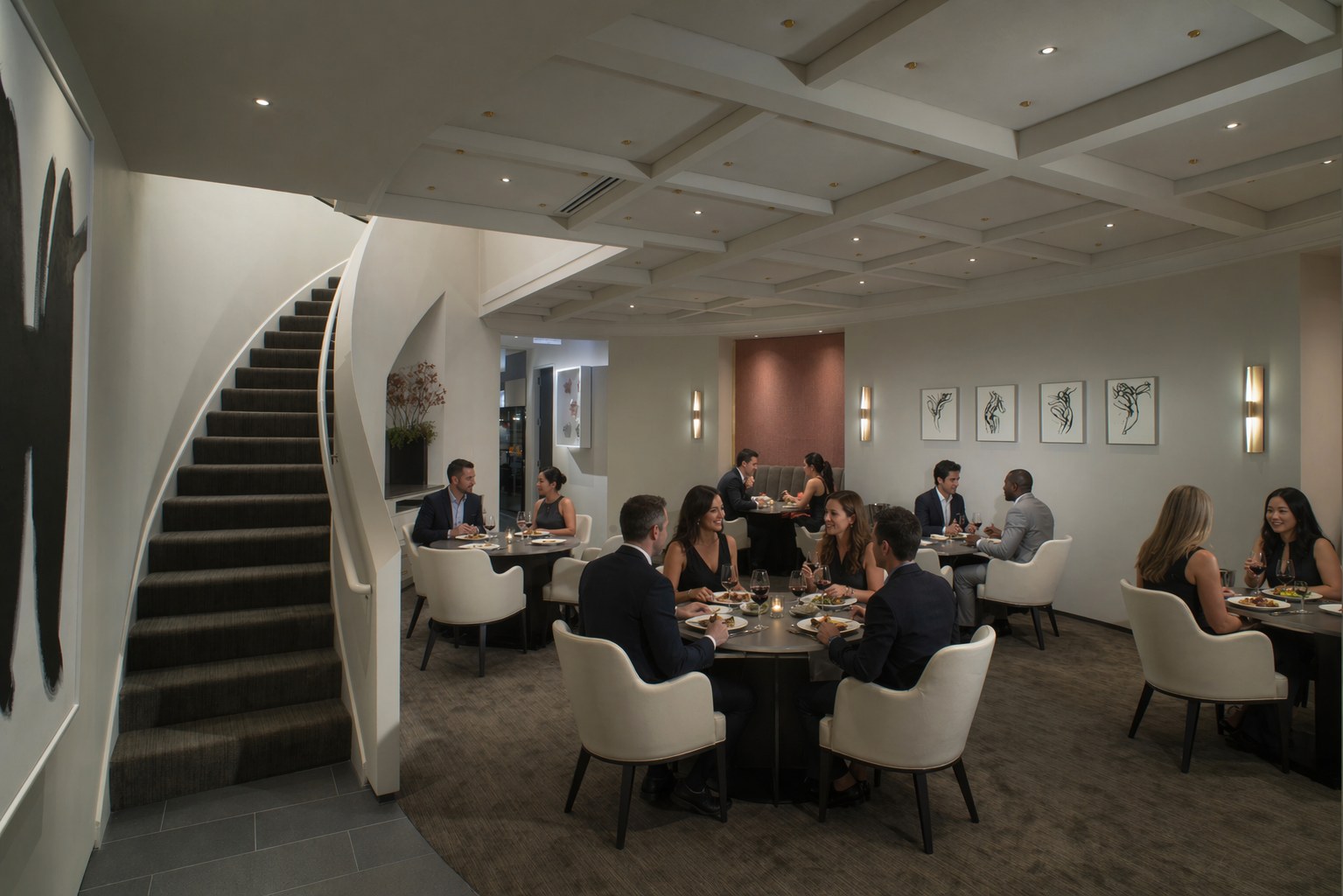
Grant Achatz's multi-sensory experience has been redefining what a restaurant can be since 2005, and two decades later, it still doesn't have a real equivalent anywhere. The tasting menu is less a meal and more a series of small astonishments — a dessert painted directly onto the table, a course that arrives as an edible balloon filled with green apple taffy, a bite of wagyu that changes flavor depending on which direction you eat it. Achatz nearly lost his sense of taste to tongue cancer and came back cooking with even more ambition. The kitchen rotates concepts periodically, so the experience you have might be entirely different from what your friend described six months ago. That unpredictability is the point. Alinea's influence on American fine dining is beyond any rating. If you eat in Chicago once, you eat here.
Phone: (312) 867-0110
Signature dish: The experience itself — the edible balloon, the tableside dessert painting, courses that engage every sense
What to expect: Three-hour multi-sensory journey. Multiple dining rooms, each with a different atmosphere. Smart attire.
Price: Tasting menu $295-395 per person depending on format
Reservations: Book via Tock months in advance. Tables drop on a schedule — set alerts.
Reserve online: Book a table
Best for: The once-in-a-lifetime dinner, anyone who wants to understand why Chicago matters in the global dining conversation
Monteverde
Inspired by real photos
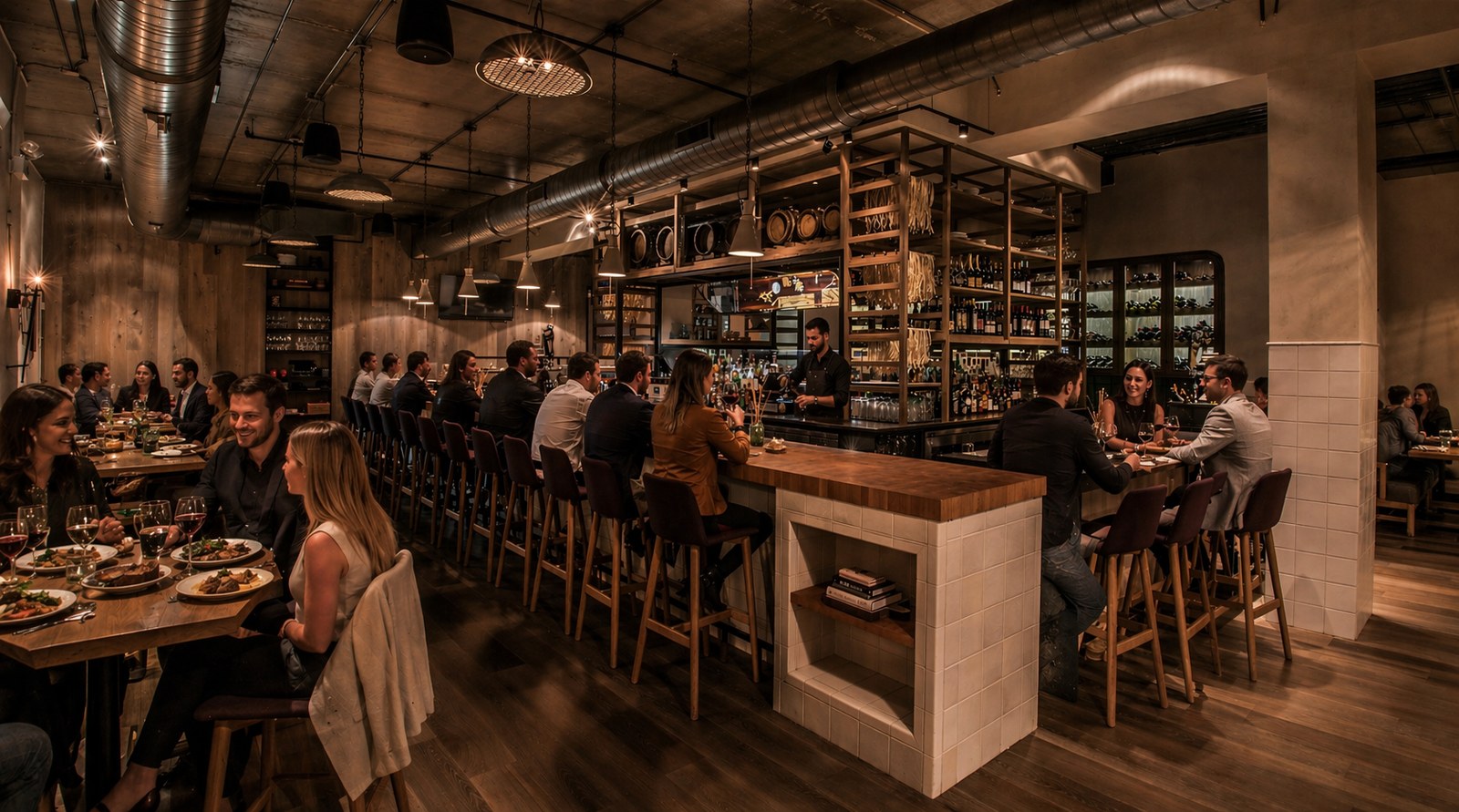
Sarah Grueneberg trained under Rick Tramonto and competed on Top Chef before opening Monteverde on West Madison Street, and the pasta alone was worth the wait. The heart of the restaurant is the pastificio — a visible pasta workshop where the team produces fresh shapes throughout the day. The cacio e pepe tortelloni, pockets of ricotta swimming in a sharp, peppery sauce, is the dish that earns the loudest silence at the table. The rigatoni alla vodka is comfort food elevated to an art form. But Grueneberg's Italian isn't limited by tradition — her travels through Southeast Asia and Latin America surface in unexpected seasoning choices that keep regulars guessing. The room buzzes with energy, the wine list is deep without being intimidating, and the service strikes that rare balance between professional and genuinely warm.
Phone: (312) 888-3041
Signature dish: Cacio e pepe tortelloni — ricotta-stuffed pockets in sharp pecorino and black pepper sauce
What to expect: Lively, social, open-kitchen energy. Communal and table seating. Smart casual.
Price: Pasta $18-28; entrees $32-48
Reservations: Recommended, especially weekends. Book via Resy.
Reserve online: Book a table
Best for: Pasta obsessives, the dinner that makes everyone at the table happy, impressing someone who's eaten pasta in Italy
Girl & the Goat
Inspired by real photos
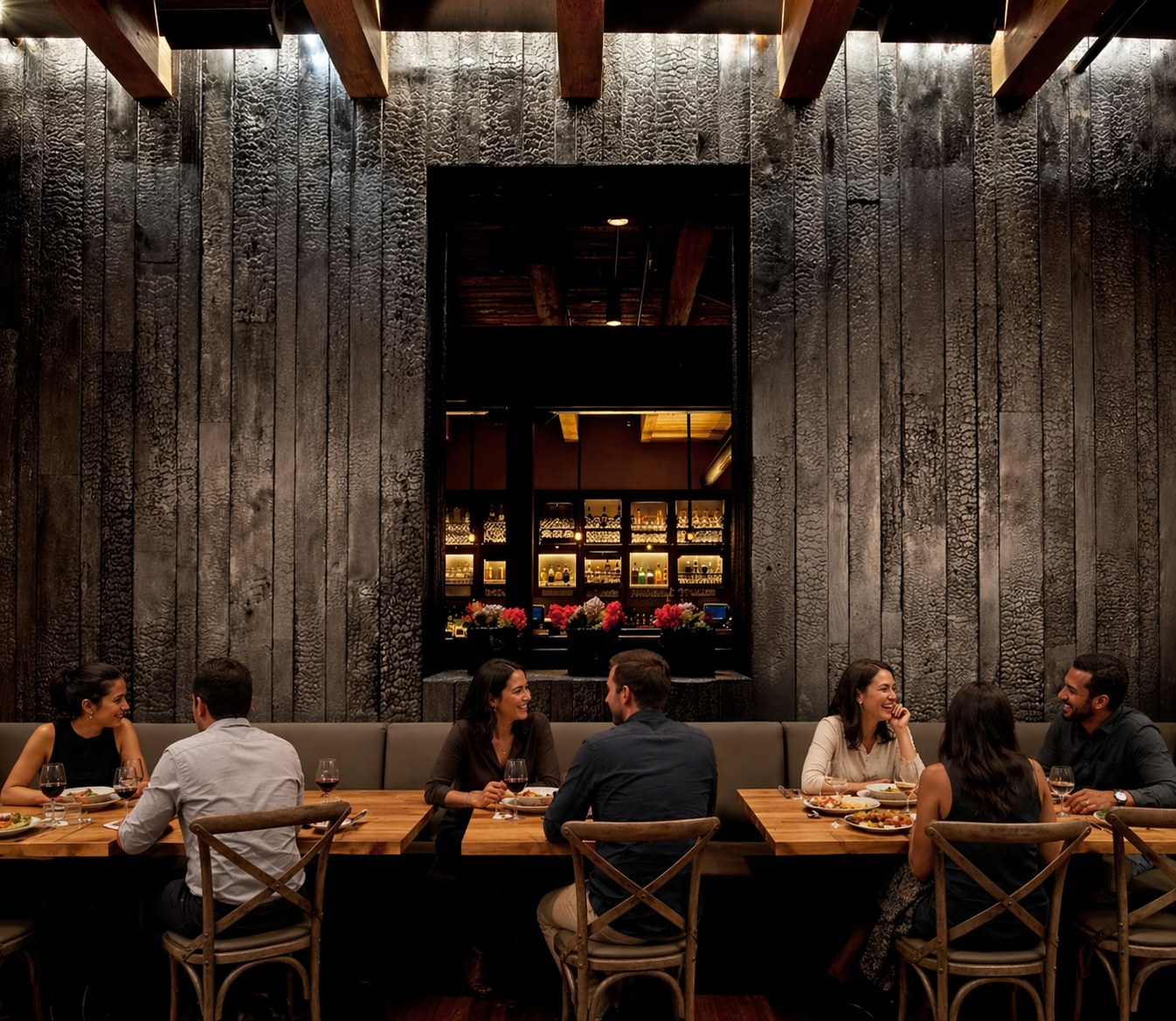
Stephanie Izard opened Girl & the Goat on Randolph Street in 2010 as the first woman to win Top Chef, and the restaurant immediately became the kind of place that defined a neighborhood. The concept is simple — bold, shareable plates organized by vegetable, fish, and meat — but the execution is anything but. The wood-oven-roasted pig face with tamarind and kimchi-fried rice is the dish that launched a thousand social media posts before that was a thing. The goat dishes, naturally, are the stars: braised goat with fried rib and lime, goat sausage with kohlrabi and pickled chilies. Izard's cooking is fearless, drawing flavors from across the globe and combining them in ways that shouldn't work but always do. The room is loud, the wait can be long, and nobody cares because the food earns every minute of patience.
Phone: (312) 492-6262
Signature dish: Wood-oven-roasted pig face with tamarind and kimchi-fried rice — and the goat dishes, obviously
What to expect: Loud, bustling, electric energy on Randolph Street. Shareable plates. Come with an appetite and friends.
Price: Plates $16-32; plan on $50-80 per person
Reservations: Recommended. Book via Tock. Bar seats available for walk-ins.
Reserve online: Book a table
Best for: Group dinners that need conversation fuel, adventurous eaters, celebrating on a Tuesday because why not
Topolobampo
Inspired by real photos
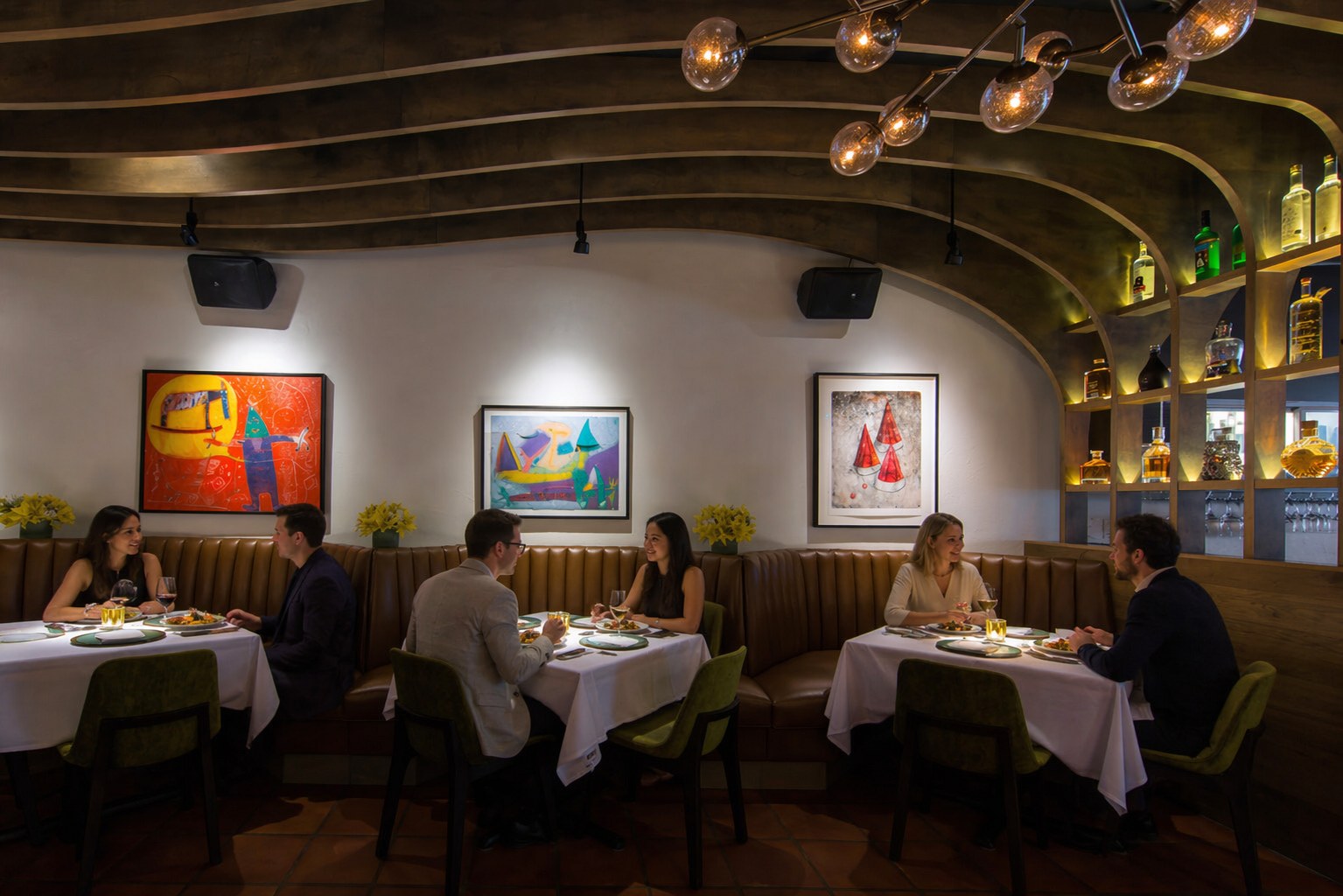
Rick Bayless opened Topolobampo in 1989 as the fine dining counterpart to his casual Frontera Grill next door, and over 35 years later, it remains the standard for upscale Mexican cooking in America. While other restaurants chase trends, Bayless has spent decades traveling through Mexico's regions, bringing back techniques and ingredients that most American diners have never encountered. The seasonal tasting menus are built around specific Mexican regions or ingredients — a mole negro made from 30+ ingredients and five days of preparation, a Oaxacan tlayuda with handmade tortillas and house-made chorizo. The Michelin star, held continuously since 2010, feels almost beside the point. Bayless changed how Americans understand Mexican food, and this restaurant is where that education continues at its highest level.
Phone: (312) 661-1434
Signature dish: The seasonal mole — whichever preparation the kitchen is running, built from dozens of ingredients over days
What to expect: Refined, elegant Mexican dining. Tasting menus and a la carte. White tablecloths without stuffiness.
Price: Tasting menu ~$155; a la carte entrees $38-55
Reservations: Recommended. OpenTable or direct.
Reserve online: Book a table
Best for: Anyone who thinks they know Mexican food, the dinner that rewrites your understanding of a cuisine
Galit
Inspired by real photos
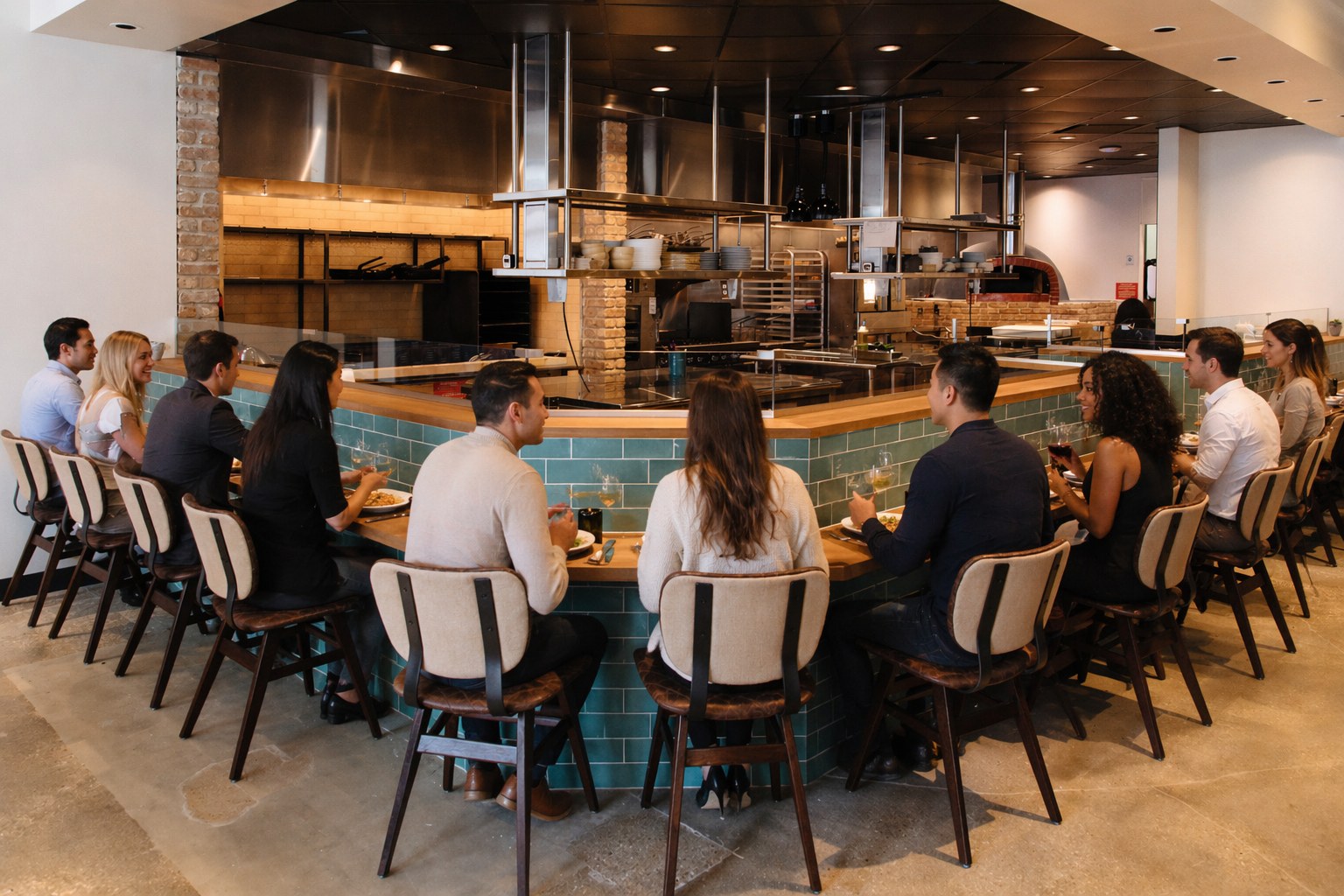
Zach Engel won the James Beard Award for Best Chef Great Lakes, and at Galit you taste exactly why. This Lincoln Park restaurant takes the flavors of Israel, Lebanon, Turkey, and the broader Middle East and serves them as generous shareable plates meant to cover the entire table. The pita bread, baked in a wood-burning oven and served with a rotation of dips, is reason enough to visit — it arrives blistered, puffed, and warm in a way that makes you realize every other pita you've eaten was a compromise. The baharat-spiced lamb shank, falling off the bone in a pool of yogurt and herbs, is the main event. Engel's cooking respects tradition while moving with the confidence of someone who's eaten their way across the eastern Mediterranean and brought back everything worth keeping.
Phone: (773) 360-8755
Signature dish: Wood-fired pita with rotating dips — and the baharat lamb shank that requires sharing (even if you don't want to)
What to expect: Warm, convivial, designed for sharing. The dining room fills quickly and stays lively. Smart casual.
Price: Sharing plates $14-38; plan on $55-80 per person
Reservations: Recommended, especially weekends. Resy.
Reserve online: Book a table
Best for: Group dinners where everyone shares everything, Middle Eastern food lovers ready for the Michelin-starred version
Feld
Inspired by real photos
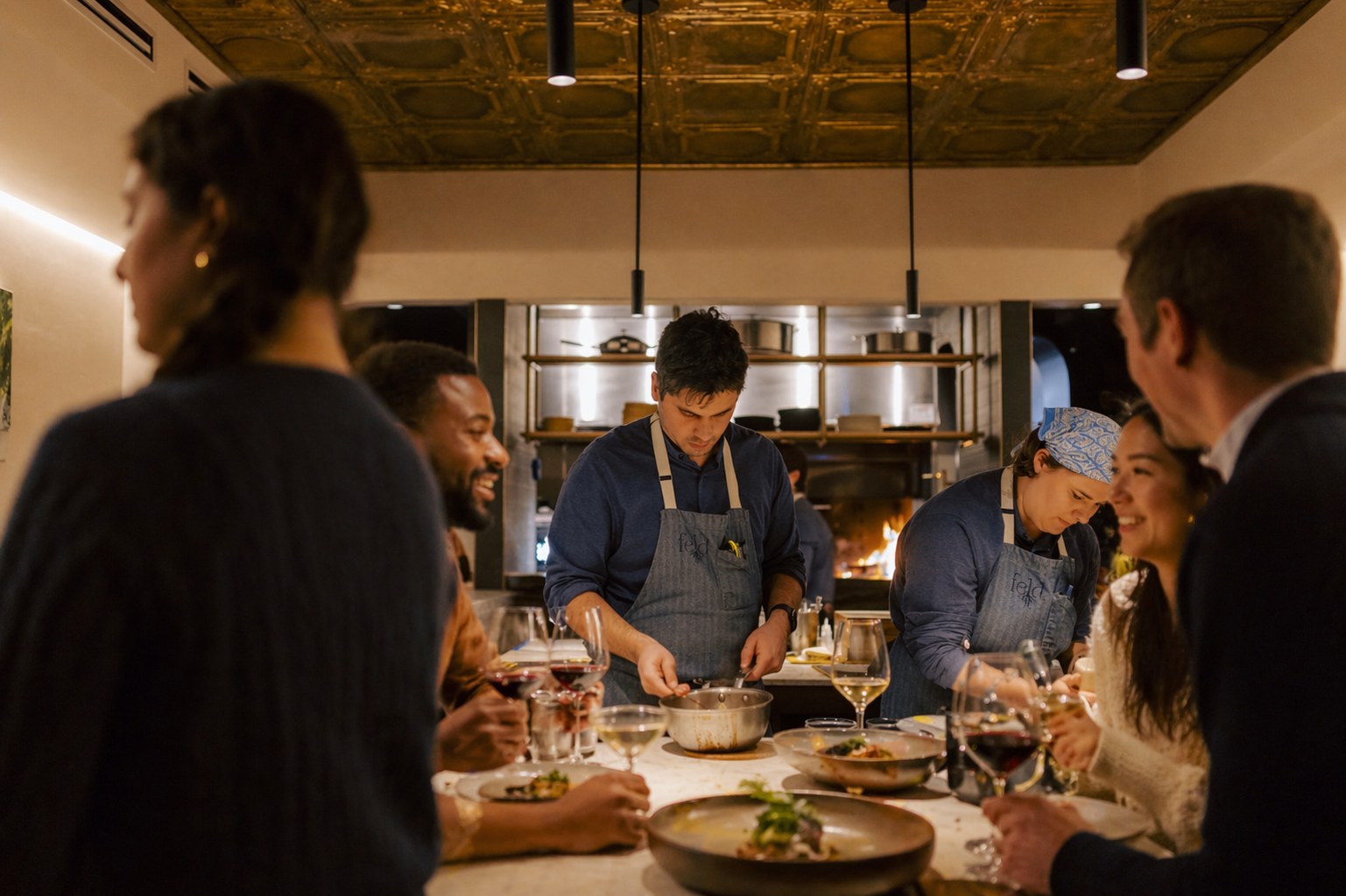
Jacob Potashnick's 20-seat restaurant in Ukrainian Village earned its first Michelin star and a Green Star for sustainability in 2025, and both feel earned by a kitchen that operates on principles most restaurants can't afford to follow. The menu changes not weekly but whenever the small farms Feld partners with have something new to offer. Potashnick builds his courses around what's actually growing, not what a chef wishes were available — which means a spring menu might center on ramps and morels while a winter tasting leans into root vegetables and preserved fruits. The result is cooking that feels honest in a way that bigger restaurants can only approximate. The room is tiny, the service personal, and every course carries a quiet intensity that comes from a chef who genuinely knows where his food was growing 24 hours ago.
Phone:
Signature dish: Whatever the farms delivered — the menu is never the same twice, and that's the entire point
What to expect: Intimate 20-seat dining room. Tasting menu only. Expect personal, unhurried service. Smart casual.
Price: Tasting menu ~$175 per person
Reservations: Essential. Book via Tock — limited seats per night.
Reserve online: Book a table
Best for: Farm-to-table believers, sustainability-minded diners, the meal that makes you rethink what seasonal cooking actually means
Indienne
Inspired by real photos
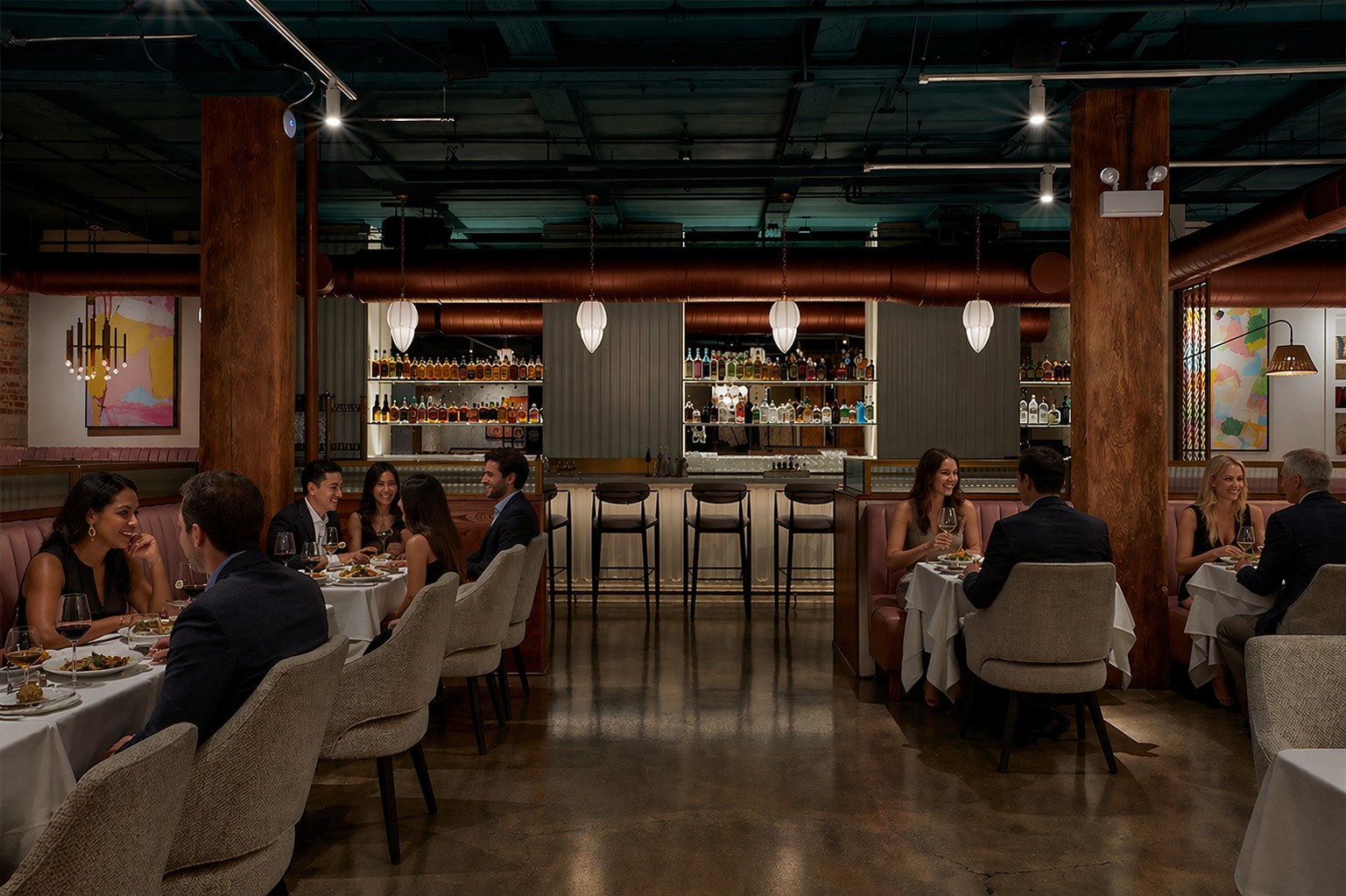
Chef Sujan Sarkar made history by earning Chicago's first Michelin star for an Indian restaurant, and at Indienne, you understand why the recognition was overdue and why it took someone with Sarkar's vision to earn it. The tasting menus — available in vegan, vegetarian, and non-vegetarian formats — reimagine Indian cuisine through a lens that is unmistakably modern without abandoning the spice profiles and techniques that make the food meaningful. A biryani arrives deconstructed and refined but still carries the aromatic depth of a dish that has been perfected over centuries. The vegetarian tasting menu is not an afterthought — it's arguably the strongest version, built around Indian cooking's deep tradition of plant-forward flavors. The River North dining room is elegant and spare, letting the food command attention.
Phone: (312) 291-9427
Signature dish: The tasting menu's biryani course — reimagined but deeply rooted — and the vegetarian progression
What to expect: Elegant, focused. Tasting menus in three formats. Attentive, knowledgeable service. Smart attire.
Price: Tasting menu ~$195 per person
Reservations: Book via Tock. Limited seatings per night.
Reserve online: Book a table
Best for: Indian food lovers ready for a Michelin-starred interpretation, vegetarians who are tired of being an afterthought, a quiet River North evening
Lem's Bar-B-Q
Inspired by real photos
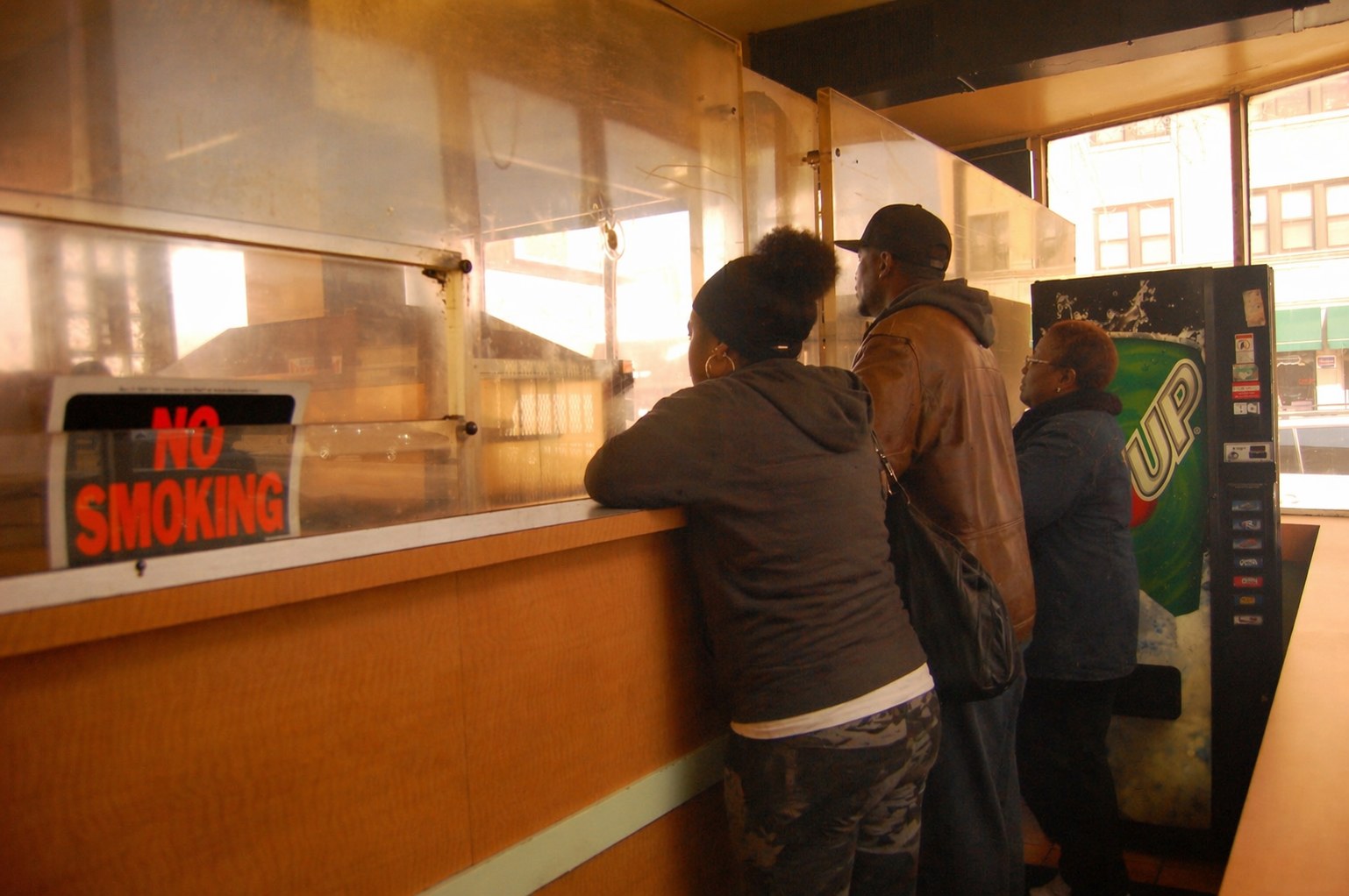
Some restaurants earn recognition through innovation. Lem's earns it by being exactly the same for over 55 years, and being perfect at it. This South Side institution in Chatham uses aquarium-style smokers — glass-enclosed units where you can watch your ribs and hot links turn slowly over low heat — a method that's become synonymous with Chicago barbecue. The rib tips are the thing to order: smoky, tender, with a charred exterior that pulls apart clean. The hot links snap when you bite through the casing. You order through a bulletproof glass window, the sauce comes on the side, and nobody asks how you want it done because there's only one way. The James Beard Foundation named Lem's an America's Classic in 2025, recognizing what the South Side has known for decades: this is essential Chicago.
Phone: (773) 994-2428
Signature dish: Rib tips and hot links — ordered through the window, eaten immediately
What to expect: Counter service through bulletproof glass. No seating inside. Cash preferred. The line moves fast.
Price: Plates $10-18
Reservations: None. First come, first served.
Best for: Experiencing real South Side Chicago barbecue, anyone who wants to understand the aquarium smoker tradition
HaiSous Vietnamese Kitchen
Inspired by real photos
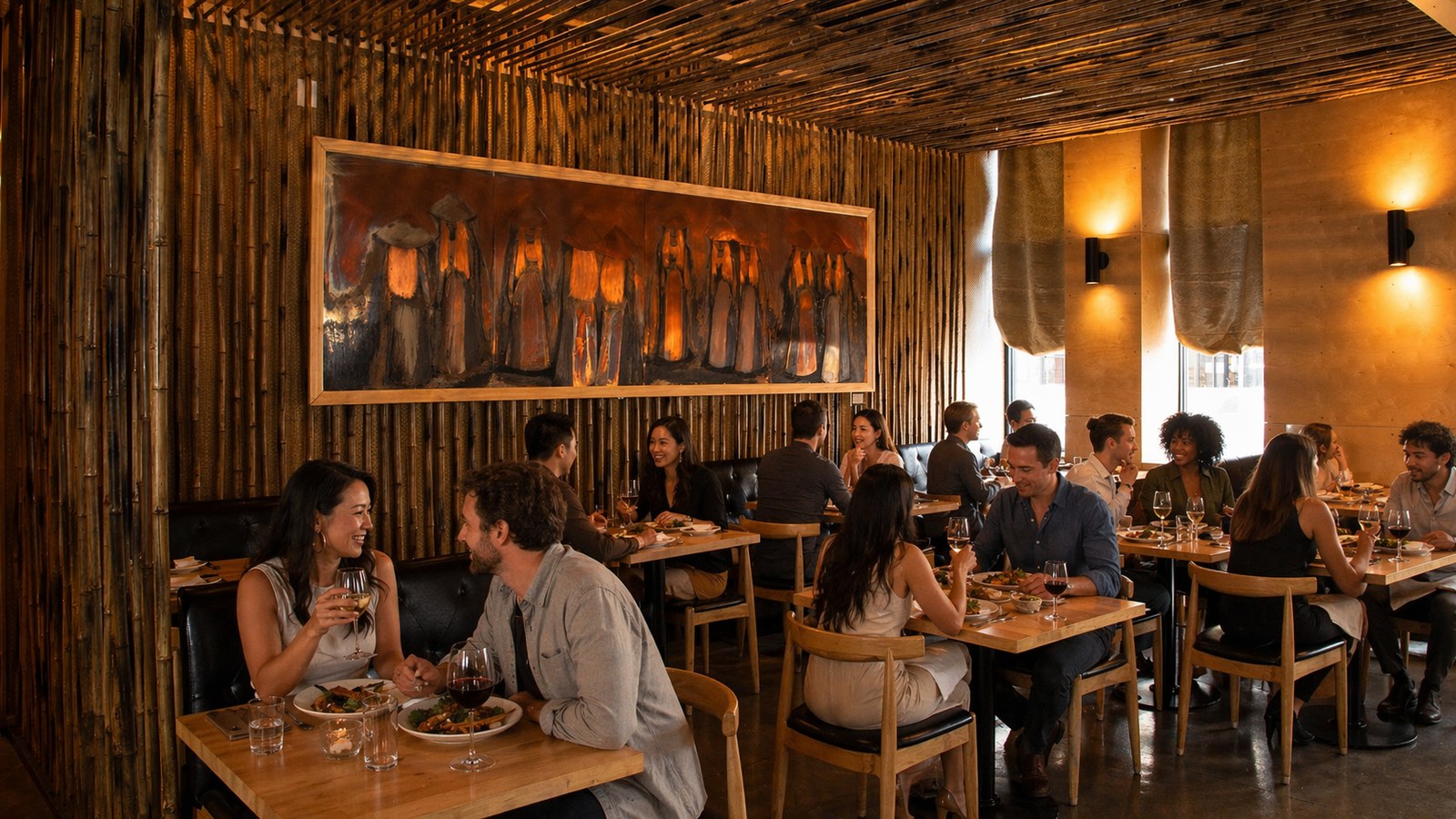
Chef Thai Dang didn't just open a Vietnamese restaurant in Pilsen — he opened the Vietnamese restaurant that made Chicago take the cuisine seriously as fine dining. HaiSous serves elevated Vietnamese cooking in a striking space: high ceilings, warm wood, and an energy that feels celebratory without being performative. The bo kho, a rich beef stew served with crusty bread for dipping, is the kind of dish that makes you close your eyes. The crispy imperial rolls are shattering and delicate, filled with a pork-and-shrimp mixture that's been seasoned with the confidence of a kitchen that knows these recipes deeply. And when the whole fish arrives, crispy-skinned and glistening with a caramelized sauce, the table goes quiet for the right reasons. Dang's cooking proves that Vietnamese food is as capable of elegance as any cuisine — it just needed a chef willing to present it that way.
Phone: (312) 702-1303
Signature dish: Whole crispy fish with caramelized sauce — and the bo kho beef stew that warms you from the inside out
What to expect: Elegant but approachable. Beautiful dining room. Family-style sharing encouraged. Smart casual.
Price: Dishes $16-45; plan on $55-80 per person
Reservations: Recommended, especially weekends. OpenTable or Tock.
Reserve online: Book a table
Best for: Exploring Vietnamese cuisine beyond pho, impressive date nights in Pilsen, anyone who appreciates a beautiful dining room
Avec
Inspired by real photos
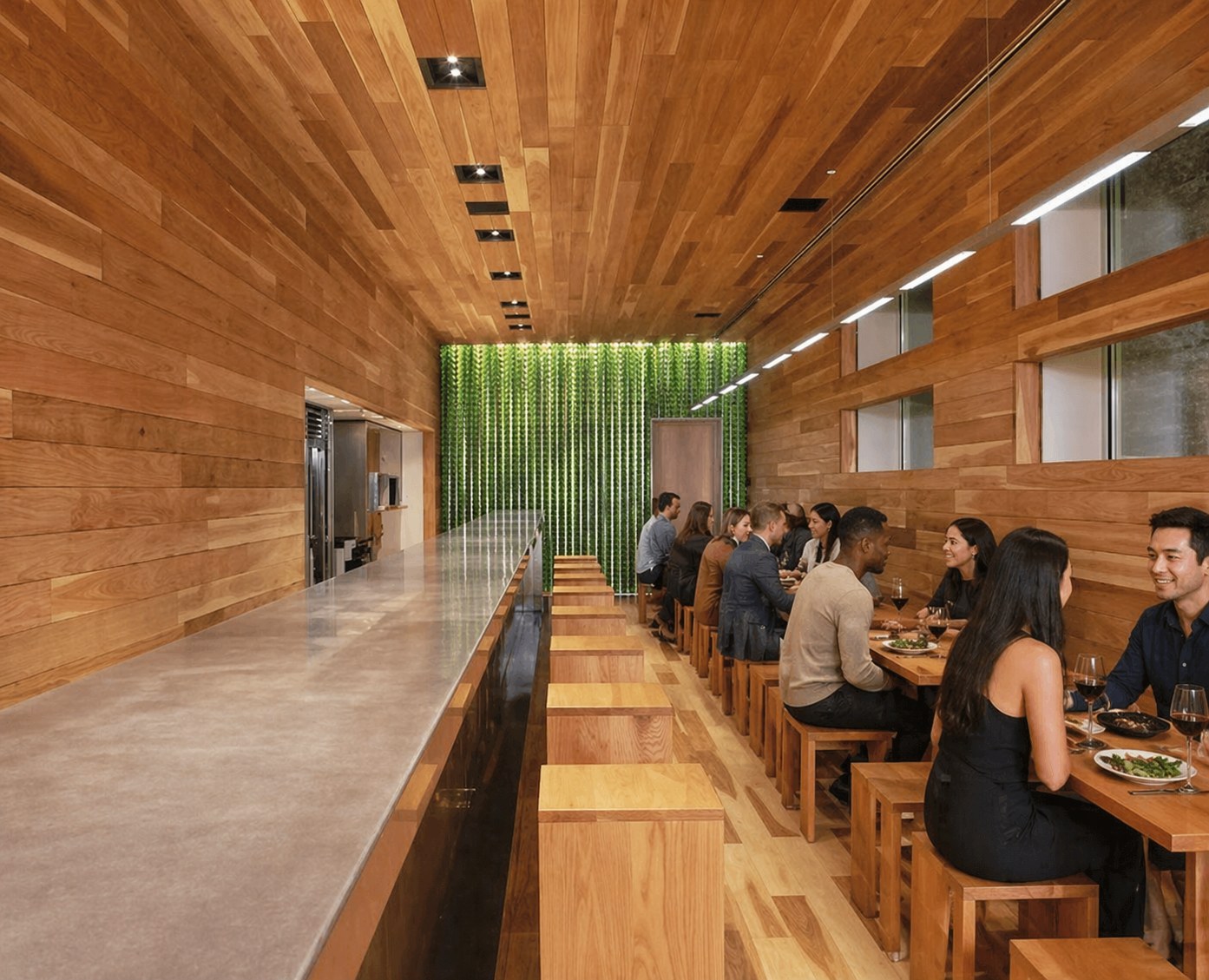
Paul Kahan's Mediterranean small-plates restaurant on Randolph Street sparked a movement when it opened in 2003, and two decades later, the formula still hasn't been improved upon. The concept is tight: a wine-focused menu of shareable plates served in a narrow, communal-seating room built entirely from warm wood. The chorizo-stuffed medjool dates, wrapped in bacon and roasted until blistering, are the single most-ordered dish on Randolph Street — sweet, spicy, smoky, and proof that a $12 appetizer can be the best thing you eat all week. The focaccia di recco, a thin, crispy flatbread oozing with stracchino cheese, is the other essential. Avec doesn't try to be anything more than what it is: a wine bar with food that earns a Bib Gourmand by doing less, better. The communal seating means you're sitting next to strangers who will, by dessert, feel like friends.
Phone: (312) 377-2002
Signature dish: Chorizo-stuffed medjool dates — bacon-wrapped, blistered, and the reason Avec has been packed for 20+ years
What to expect: Narrow, communal seating. Wine-forward. Loud and social. No tablecloths, no pretension.
Price: Small plates $12-24; plan on $40-60 per person with wine
Reservations: Recommended. OpenTable.
Reserve online: Book a table
Best for: Wine lovers, solo diners at the communal table, the mid-week dinner that costs less than you'd expect for this quality
Virtue
Inspired by real photos
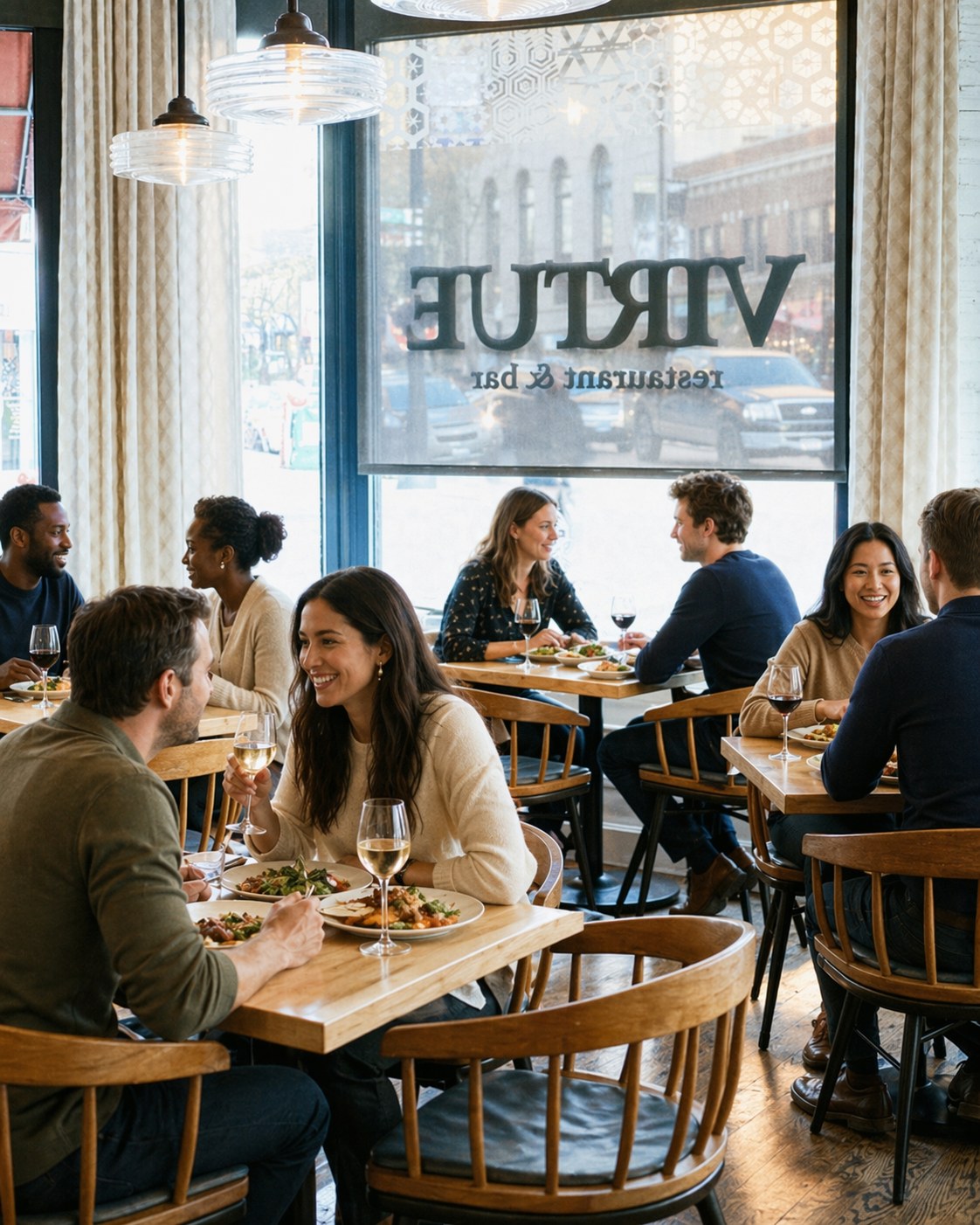
Erick Williams won the James Beard Award for Best Chef Great Lakes in 2023, and Virtue is where you understand why. This Hyde Park restaurant serves Southern food with the kind of care and precision that transforms comfort food into something that feels both elevated and deeply familiar. The smoked catfish dip, served with warm bread, is the starter that tells you exactly what kind of meal you're about to have. The fried chicken is brined and seasoned with a technique that reveals Williams's fine dining training, but it still tastes like the fried chicken you wish your grandmother made. The gumbo is dark, complex, and built over hours. And the room itself — striking, warm, anchored in a neighborhood that needed exactly this kind of restaurant — proves that Hyde Park belongs in any conversation about Chicago dining.
Phone: (773) 947-8831
Signature dish: Fried chicken — fine-dining technique in a soul food classic — and the gumbo that takes hours to build
What to expect: Striking dining room in Hyde Park. Southern hospitality with polish. Smart casual.
Price: Entrees $28-45
Reservations: Recommended. OpenTable.
Reserve online: Book a table
Best for: Southern food lovers, a James Beard experience at neighborhood prices, date nights south of the Loop
Lula Cafe
Inspired by real photos
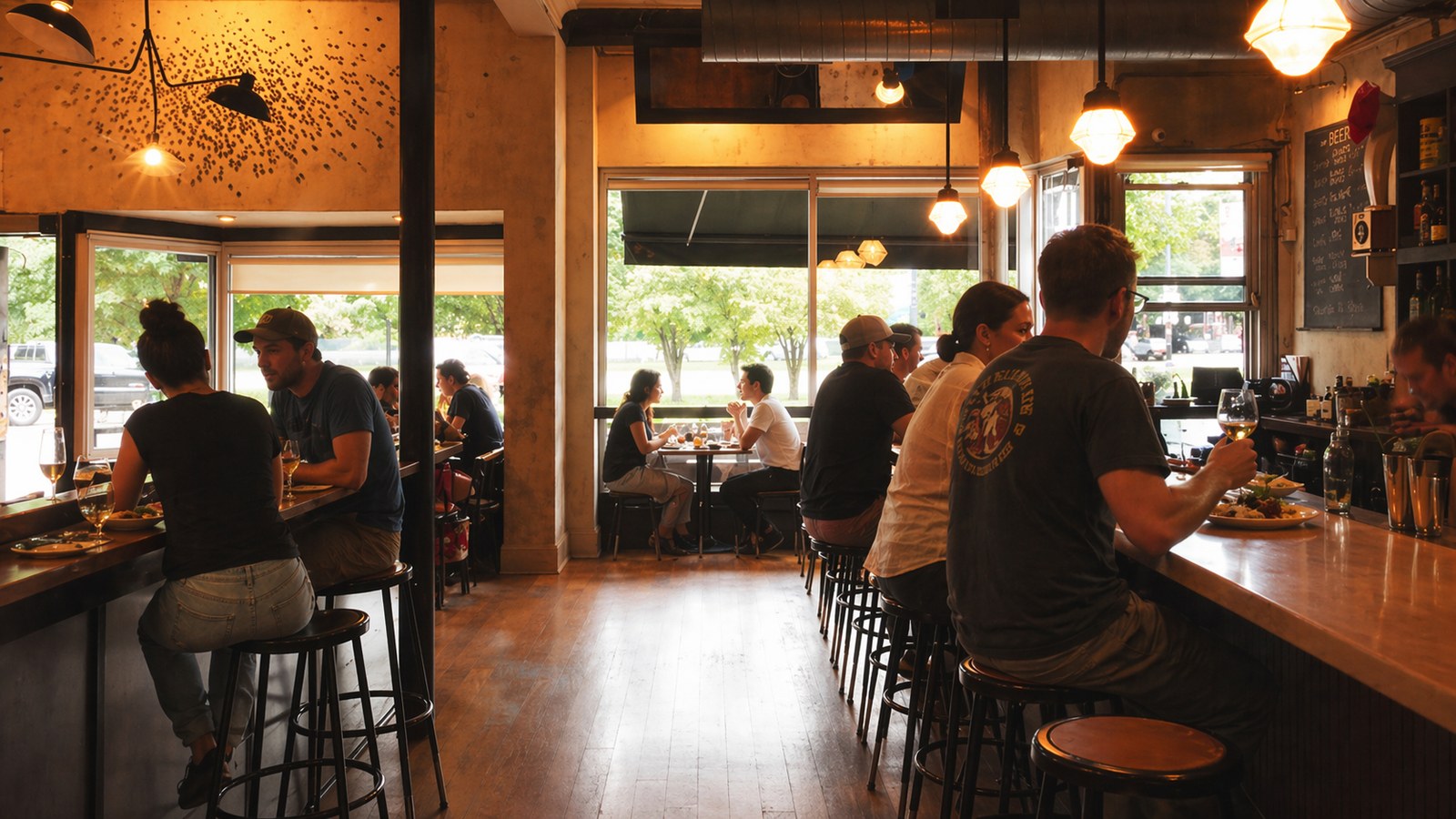
Jason Hammel opened Lula Cafe in Logan Square in 1999, before the neighborhood had a food scene, before farm-to-table had a name, and before anyone was paying attention. Twenty-five years later, it remains the anchor of what has become one of Chicago's most exciting dining corridors — and it earned that position by refusing to stop evolving. Hammel rotates three new dishes onto the menu every Monday, sourced from the same regional farmers he's worked with for years. The cooking is inventive without being precious: a perfectly poached egg might sit atop a bed of grains from a local mill, dressed with a vinaigrette that changes with the season. The brunch, featuring farm eggs and cornmeal porridge, packs the restaurant every weekend. Lula Cafe doesn't have a Michelin star, but it has something harder to earn — the loyalty of a neighborhood that has grown up around it.
Phone: (773) 489-9554
Signature dish: The Monday Farm Dinner — a prix fixe menu built around whatever the farms delivered that day
What to expect: Casual, funky, neighborhood-restaurant energy. Three storefronts' worth of space. Great for groups or solo.
Price: Brunch $14-22; dinner entrees $22-35
Reservations: Accepted for dinner. Brunch is first-come.
Reserve online: Book a table
Best for: Farm-to-table believers, weekend brunch with friends, experiencing the restaurant that built Logan Square's food scene
Pequod's Pizza
Inspired by real photos
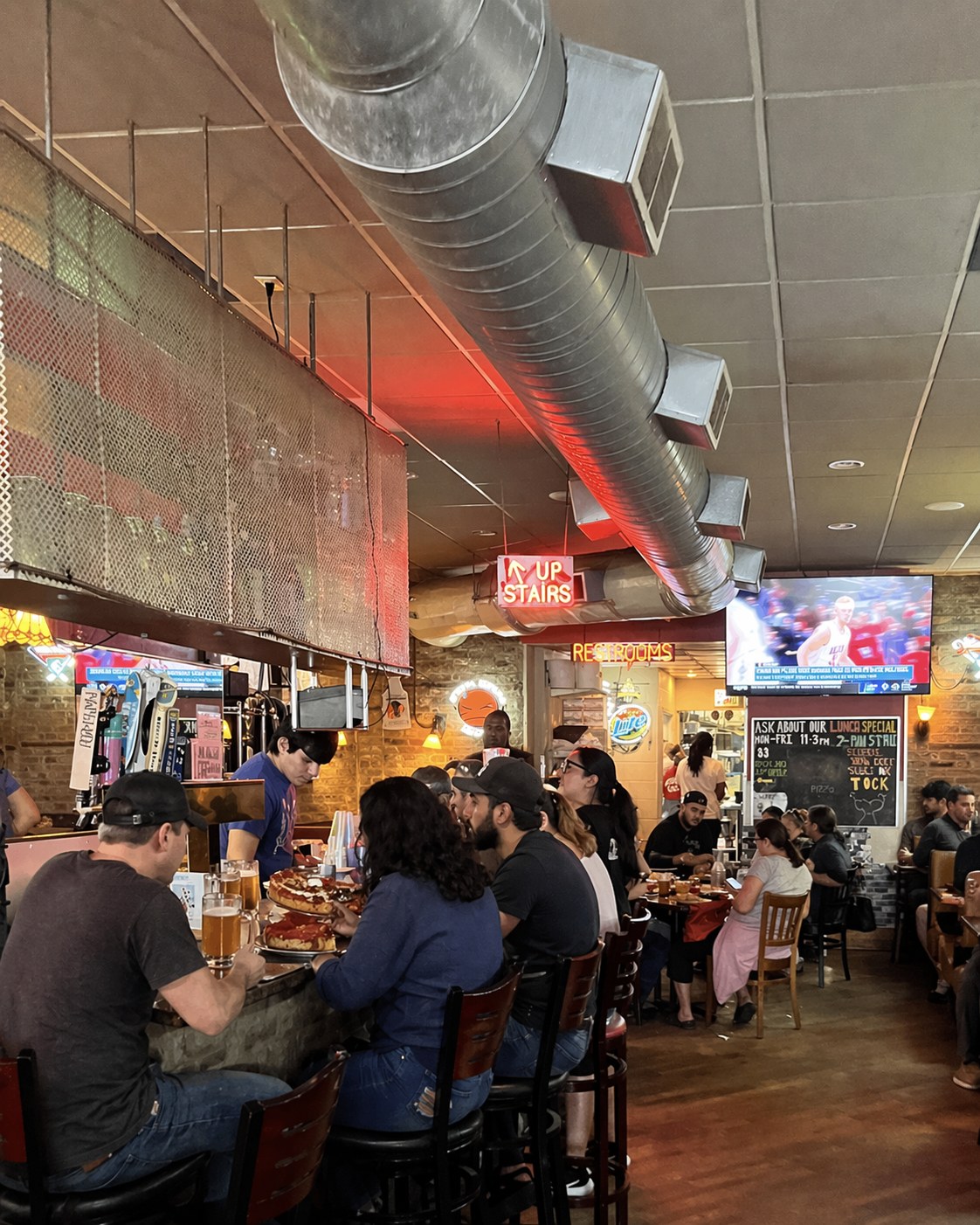
Chicago's pizza debate is eternal and passionate, but Pequod's has quietly built a case that ends most arguments. The pan-style deep dish here has one weapon that no other pizzeria in the city has matched: a caramelized cheese crust. The cheese extends beyond the edge of the dough and meets the hot sides of the cast-iron pan, creating a crispy, golden-brown crown that shatters when you bite through it before giving way to thick, gooey mozzarella and a chunky tomato sauce on top. This isn't the tourist deep dish you'll find on Michigan Avenue — it's the deep dish Chicagoans actually eat. The Lincoln Park location stays open until 2am on weekends, the wait can stretch past an hour on Friday nights, and nobody leaves disappointed. In a city that argues about everything, Pequod's is the rare restaurant that even the most opinionated Chicagoans agree on.
Phone: (773) 327-1512
Signature dish: Pan-style deep dish pizza with caramelized cheese crust — get the sausage
What to expect: Casual, no-frills pizza joint. Expect a wait, especially weekends. Counter or table seating.
Price: Large pizza $22-30; plan on $12-18 per person
Reservations: No reservations. Walk in and wait. Worth it.
Best for: Settling the deep dish debate, late-night cravings, proving to visitors that Chicago pizza is worth the hype
Exploring Chicago's Food Scene by Cuisine
Deep Dish & Tavern-Style Pizza
Chicago's most iconic contribution to American food comes in two styles: the thick, layered deep dish that tourists crave and the thin, square-cut tavern-style that locals actually eat daily. Pequod's caramelized crust has arguably settled the deep dish debate, but the argument itself is part of the city's charm.
Mexican & Regional Latin
From Pilsen's family-owned taquerias to Rick Bayless's Michelin-starred Topolobampo, Chicago's Mexican food scene covers the full spectrum. The city's large Mexican-American population ensures authenticity at every price point, and newer restaurants are pushing Latin American fine dining into new territory.
Filipino
Kasama's two Michelin stars made Chicago the global capital of Filipino fine dining — the first restaurant of any kind to earn a Michelin star for Filipino cuisine did it here. The morning bakery and evening tasting menu represent two entirely different ways to experience a cuisine that is finally getting its due.
Aquarium Smoker Barbecue
Chicago's barbecue tradition is built on the aquarium smoker — a glass-enclosed unit that slow-smokes ribs and hot links in full view of the customer. The South Side is the heartland, with Lem's Bar-B-Q carrying the torch for over 55 years and earning James Beard recognition in 2025.
Italian & Pasta
Chicago's deep Italian-American roots show at every level, from red-sauce joints in Little Italy to Monteverde's hand-made pasta workshop in the West Loop. Sarah Grueneberg's pastificio produces shapes and sauces that rival anything in Bologna, and the city's neighborhood Italian restaurants remain beloved institutions.
Middle Eastern & Indian Fine Dining
Galit brought Michelin-starred Middle Eastern food to Chicago, while Indienne became the city's first Indian restaurant to earn a star. Both represent cuisines long underrepresented at the fine dining level, and both prove the gap was never about the food — it was about who was paying attention.
Where to Eat: Chicago by Neighborhood

West Loop / Randolph Street
Chicago's undisputed Restaurant Row. The former meatpacking district has become the most concentrated strip of acclaimed dining in the Midwest, anchored by Smyth's three Michelin stars, Girl & the Goat's enduring energy, Monteverde's pasta, and Avec's pioneering small-plates formula. If you have one night to eat in Chicago, spend it on Randolph Street.

Lincoln Park
One of Chicago's most walkable neighborhoods pairs Alinea's boundary-pushing fine dining with Galit's convivial Middle Eastern sharing plates and Pequod's legendary deep dish. The mix of upscale and casual makes Lincoln Park a dining destination that rewards wandering.

Pilsen
Historically Chicago's center of Mexican-American culture, Pilsen's food scene now encompasses HaiSous's elevated Vietnamese, taquerias that have been feeding families for generations, panaderias with conchas and empanadas, and an arts-district energy that attracts chefs looking for creative freedom and affordable rents.

Ukrainian Village / West Town
This West Side corridor has emerged as Chicago's most exciting dining frontier. Kasama earned its two Michelin stars here, Feld brought farm-driven fine dining and a Green Star to Ukrainian Village, and the surrounding blocks are filling with ambitious young kitchens that cook at a level that rivals Randolph Street.

Logan Square / Avondale
The northwest side's most dining-stacked neighborhood is built on Lula Cafe's 25-year foundation. The Kedzie and Milwaukee Avenue corridors now host everything from natural wine bars to Korean-American fine dining, and the neighborhood's independent spirit attracts chefs who want to cook for regulars, not tourists.

Hyde Park / South Side
Chicago's South Side is a food destination that gets overlooked by visitors and shouldn't be. Virtue's James Beard-winning Southern cooking anchors Hyde Park, Lem's Bar-B-Q earned America's Classics recognition in Chatham, and the neighborhoods south of the Loop hold decades of dining history essential to Chicago's food culture.
Related Guides & Resources
Eating out in Chicago this week?
Save 20-40% at restaurants across the city with Restaurant.com gift certificates.
Browse Chicago Deals on Restaurant.com →Discover More Chicago Restaurants
Browse the complete ActiveDiner directory of thousands of restaurants in Chicago, read reviews, make reservations, and find your next favorite spot.
Browse All Chicago Restaurants