
The 15 Best Restaurants in Orlando
Michelin stars, James Beard finalists, and a food scene that rivals any in the South
Orlando's dining scene has undergone a quiet revolution. Beyond the theme park buffets and International Drive tourist traps, a generation of ambitious chefs has turned this city into one of the most exciting food destinations in the American South. With ten Michelin-starred restaurants, fifteen Bib Gourmands, and a James Beard semifinalist roster that grows every year, Orlando now competes with cities twice its culinary pedigree. This guide highlights the 15 restaurants that prove it.
Our Selection Methodology
These 15 restaurants were selected based on: recognition from the Michelin Guide Florida, James Beard Foundation nominations, consistent excellence over multiple years, diversity of cuisines and neighborhoods, price range accessibility, and genuine contribution to Orlando's evolving food identity.
We've included everything from $15 udon bowls at a 25-seat noodle counter to $300 multi-course tasting menus at intimate omakase bars. What unites them is ambition — every kitchen on this list is doing something that makes Orlando's food scene better.
Soseki Modern Omakase
Inspired by real photos
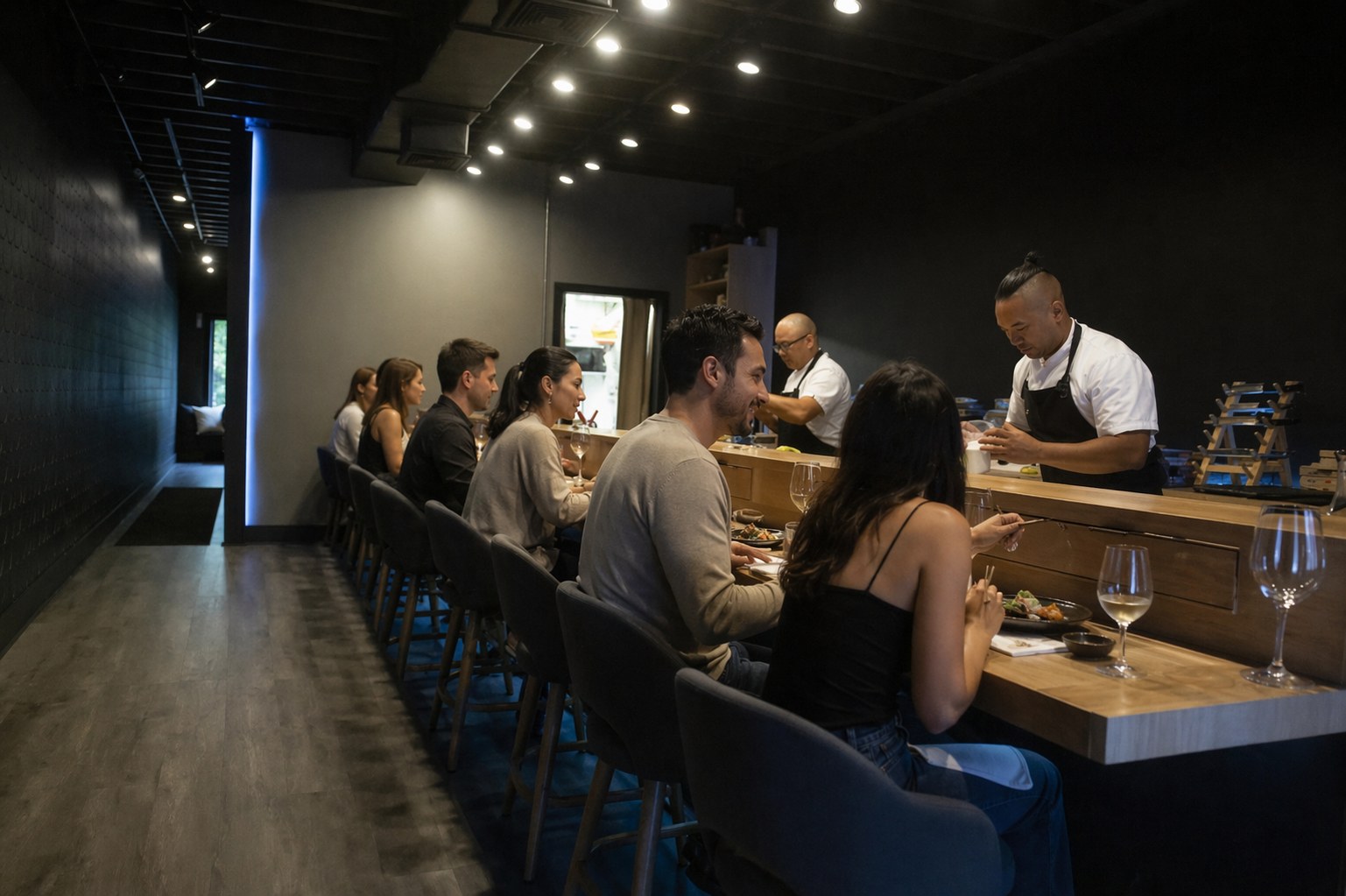
Winter Park native Michael Collantes earned his Michelin star within a year of opening Soseki, and he's held it every year since. The concept is elegantly simple — ten seats around a counter lit like a stage, dark walls, sleek wood floors, and a chef who treats every course like a small performance. The omakase blends traditional Japanese technique with a genuine commitment to Florida produce that keeps the menu evolving. Previous highlights include Scandinavian-style sashimi, pan-seared scallop with cauliflower and caviar, and a corn chawanmushi that has no business being as good as it is. The sushi progression that follows is faultless — warm, properly vinegared rice paired with impeccable fish. Beverage Director Benjamin Coutts earned a Michelin Sommelier Award for his pairings, and they genuinely elevate the experience beyond what you'd choose on your own.
Phone:
Signature dish: The ever-evolving omakase — but the corn chawanmushi and seared scallop with caviar are recurring legends
What to expect: An intimate, 10-seat counter experience. Expect 2-2.5 hours of focused, beautiful cooking. Smart casual.
Price: Tasting menu ~$250 per person; beverage pairing additional
Reservations: Book via Tock. Seats release on a rolling basis and sell out fast — check frequently.
Reserve online: Book a table
Best for: The meal you plan a trip around, anniversary dinners, convincing friends that Orlando is a food city
Camille
Inspired by real photos
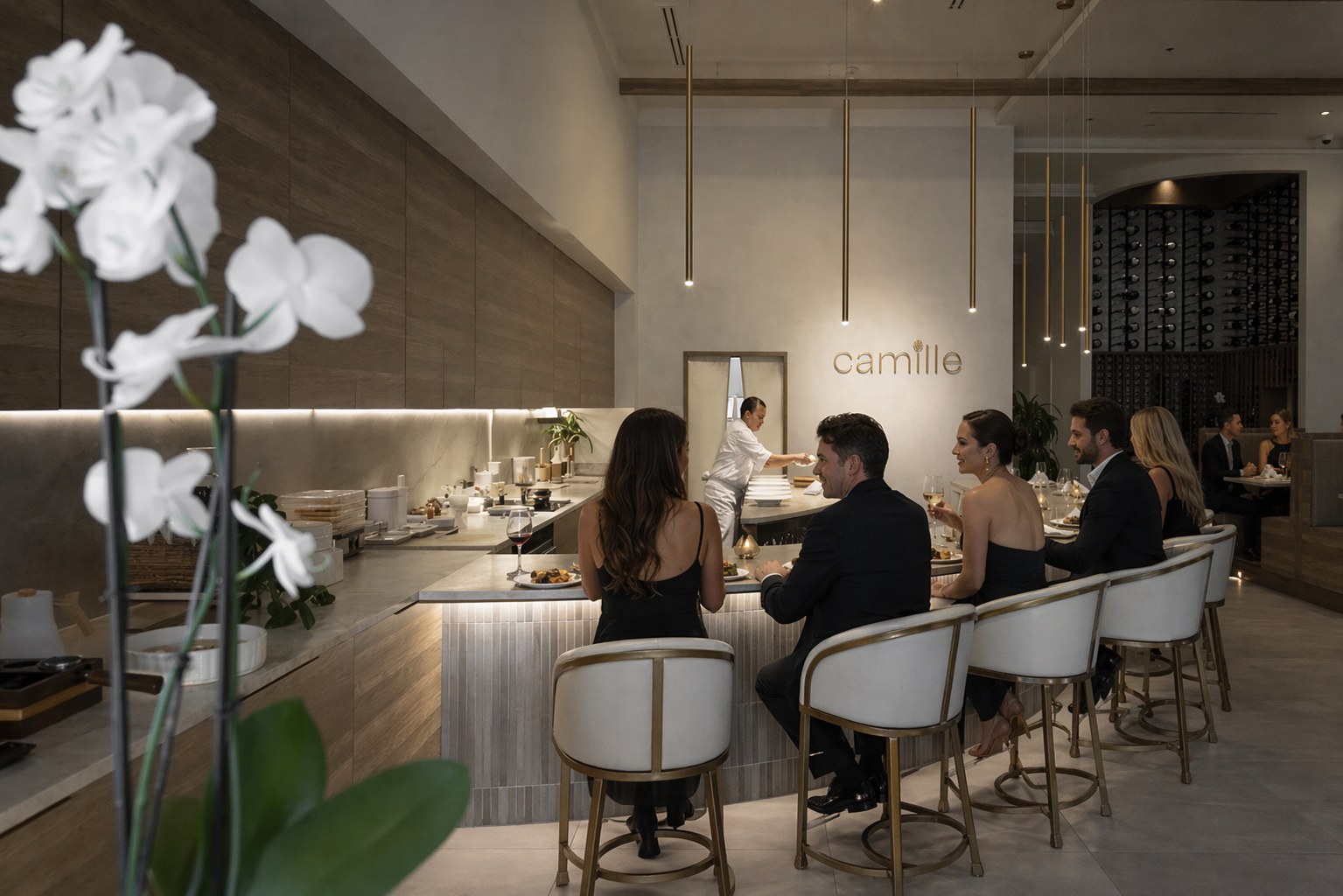
Camille does something no other Orlando restaurant attempts — it marries refined French technique with Vietnamese flavors in a way that feels neither forced nor fashionable, just deeply considered. The 8-seat chef's counter offers a ten-course tasting menu that moves between cultures with a confidence that comes from genuine fluency in both. A Dungeness crab curry arrives in a delicate tartlet shell, bridging Saigon street food and Parisian pastry in a single bite. The sweet potato brioche topped with chocolate ice cream and Vietnamese coffee sauce closes the meal with the kind of dessert that makes you reconsider what fusion means. Four private booths offer an abbreviated menu for those who want the experience without the full commitment, but the counter is where the magic happens — close enough to watch every technique and ask the kind of questions that turn dinner into an education.
Phone: (321) 972-1822
Signature dish: Dungeness crab curry tartlet — and the Vietnamese coffee chocolate brioche dessert that ends the night perfectly
What to expect: Intimate counter or booth seating. Ten-course tasting at the counter, abbreviated menu in booths. 2-2.5 hours.
Price: Tasting menu ~$200 per person
Reservations: Essential. Book well in advance — only 8 counter seats per seating.
Best for: Adventurous eaters who've done every omakase in town, date nights that need zero conversation help
Kaya
Inspired by real photos
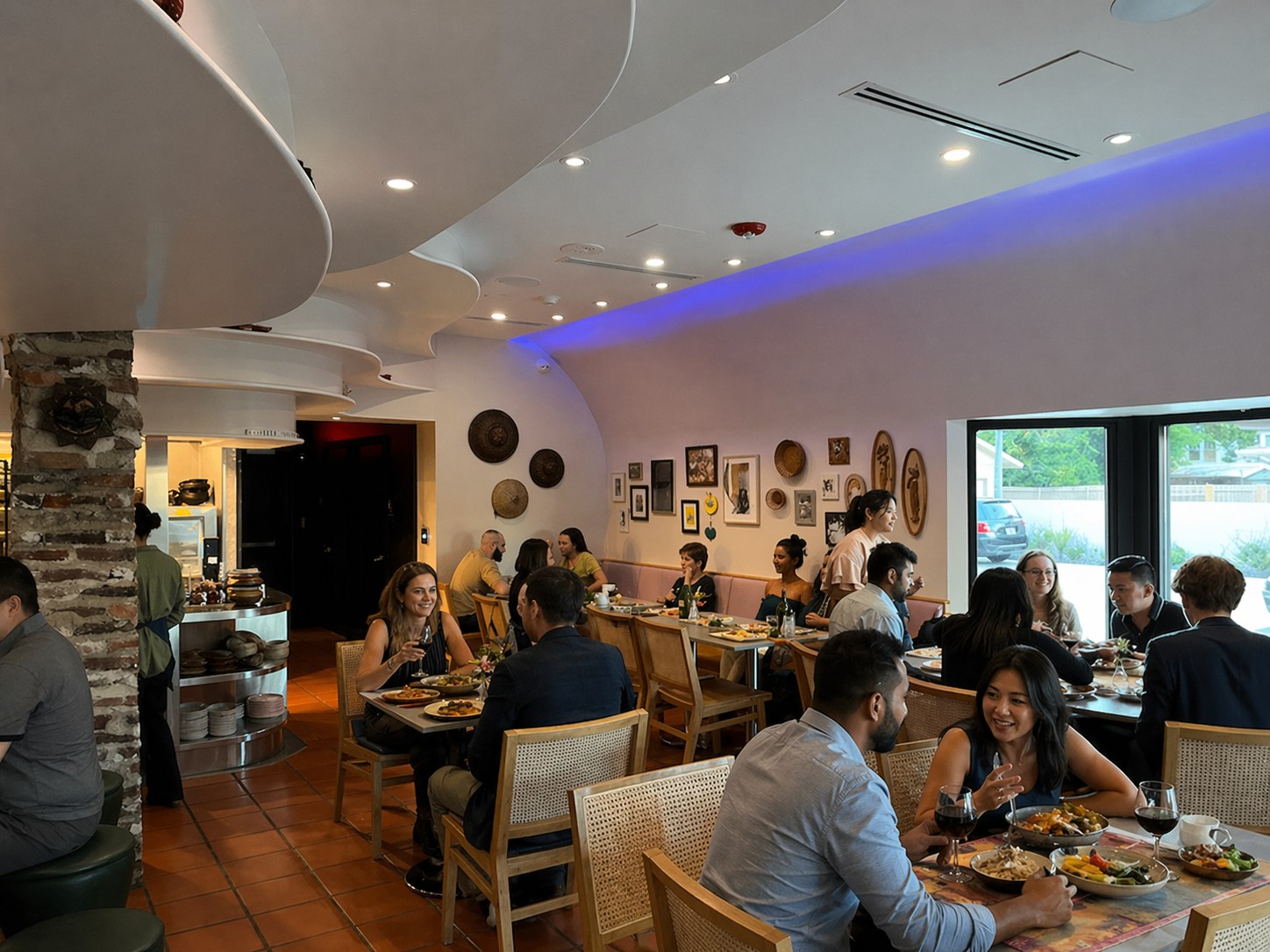
Chef Lordfer "Lo" Lalicon trained under Dan Barber at Blue Hill at Stone Barns, and he brought that farm-obsessed ethos back to Orlando's Mills 50 neighborhood in a way nobody expected — through Filipino food. Kaya operates out of a small bungalow with views into the open kitchen, where Lo and his wife work alongside longtime friends to put a fine dining spin on the cuisine of his heritage. The kare kare — braised fork-tender oxtail in peanut sauce served with garlic rice — is the kind of dish that earns a return visit before you've finished the first one. Within months of opening, Kaya was sourcing 90% of its produce from local farms, earning Florida's first-ever Michelin Green Star for sustainability. But the award that matters most is simpler: it's the restaurant that made Orlando take Filipino food seriously, and the one that locals recommend with genuine pride.
Phone:
Signature dish: Kare kare — braised oxtail in peanut sauce with garlic rice, available with King crab upgrade
What to expect: Casual-upscale in a converted bungalow. Open kitchen energy. Expect thoughtful, personal service.
Price: $50-80 per person
Reservations: Recommended, especially weekends. Book via their website.
Best for: Food nerds who care about sourcing, introducing friends to Filipino cuisine, the meal that makes you rethink a neighborhood
Ômo by Jônt
Inspired by real photos
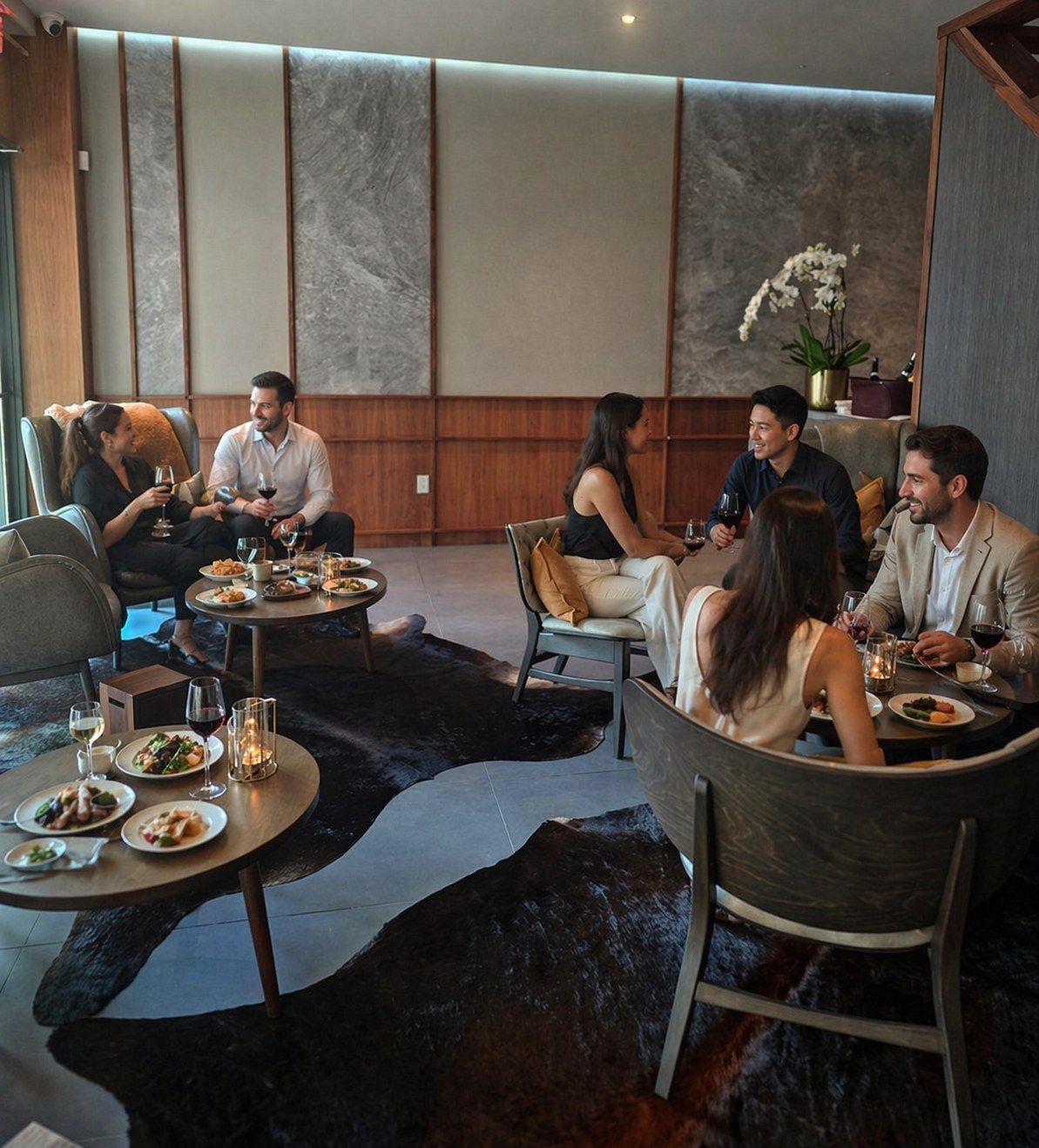
When two-Michelin-star D.C. chef Ryan Ratino opened a Winter Park outpost of his acclaimed Jônt, skeptics wondered if the concept would translate. It did — emphatically. Ômo takes guests through three distinct spaces: a living room, a chef's table, and a dessert parlor, each stage of the meal unfolding in a different room with a different energy. The cooking marries classic French technique with pristine Japanese ingredients, with Florida touches woven in where they make sense. Within its first year, Ômo earned a Michelin star and a James Beard nomination for Best New Restaurant — the kind of dual recognition that typically takes a decade of work. Ratino himself splits time between D.C. and Winter Park, but his team here operates with the same precision and ambition. This is the restaurant that announced Orlando's arrival on the national fine dining map.
Phone:
Signature dish: The multi-room tasting experience itself is the signature — each space brings a different culinary perspective
What to expect: A three-room journey. Formal but not stiff. Plan for 2.5-3 hours. Dress smart.
Price: Tasting menu ~$275-350 per person
Reservations: Essential. Book via OpenTable well in advance.
Reserve online: Book a table
Best for: The once-a-year splurge, impressing someone who's eaten everywhere, celebrating something that deserves three rooms
Papa Llama
Inspired by real photos
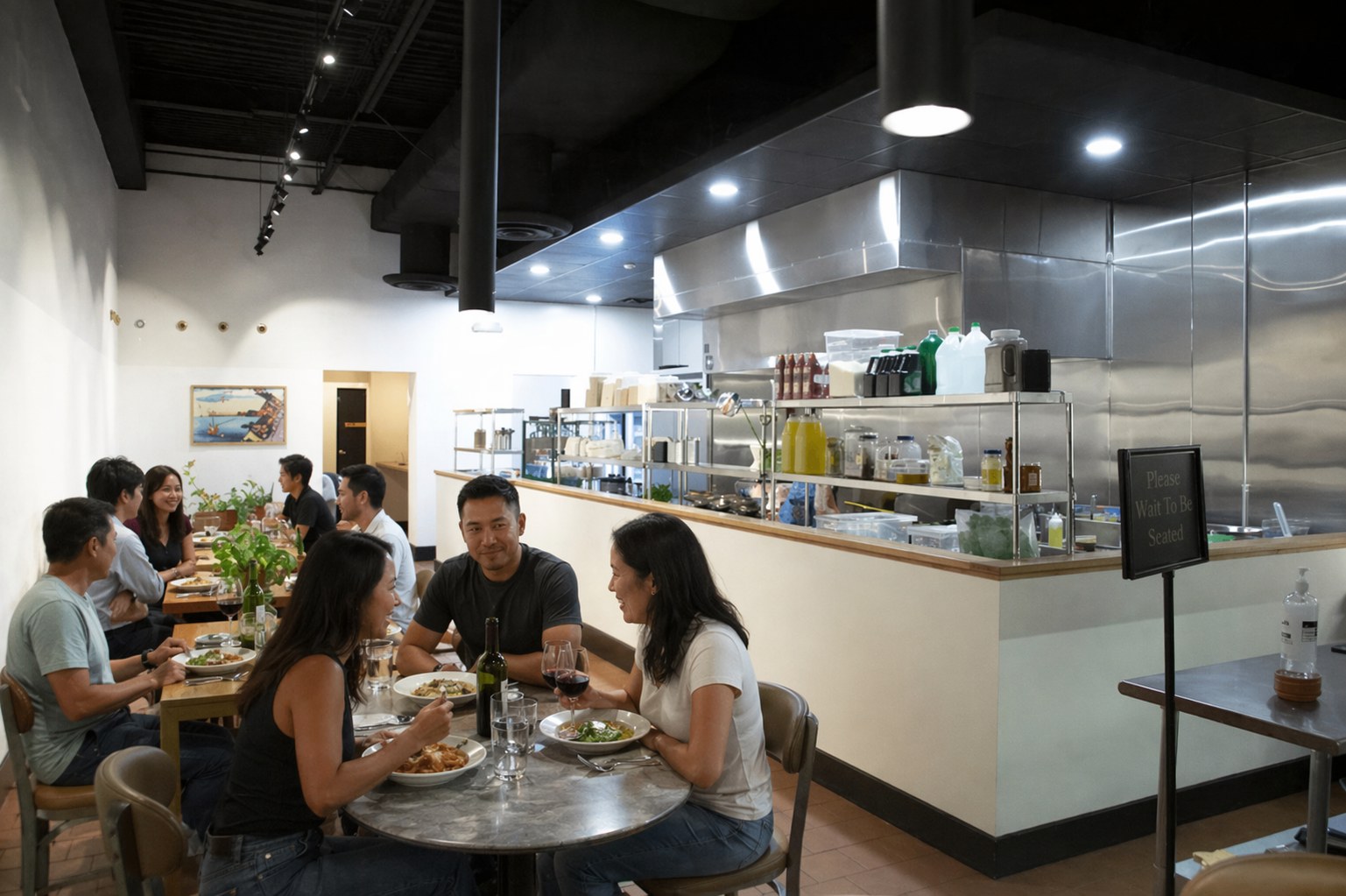
The most unlikely Michelin star in Orlando belongs to a husband-and-wife operation in a strip mall on Curry Ford Road. Kevin and Maria Ruiz, working with Chef de Cuisine Cayetano del Alcazar, serve modern Peruvian cuisine from an open kitchen you can watch from every seat in the intimate dining room. The menu leans on familiar Peruvian staples — grilled shrimp anticuchero, lomo saltado with skirt steak and mushrooms, arroz chaufa — but the execution elevates everything beyond what the surroundings suggest. Local sourcing is a clear priority, and the natural wine list is curated with the same care as the food. Papa Llama earned its Bib Gourmand in 2022, then stunned everyone by jumping to a full Michelin star in 2024. It's proof that ambition and talent don't need a fancy address — just a couple who cooks with genuine love for their heritage and an audience smart enough to find them.
Phone:
Signature dish: Lomo saltado with skirt steak and mushrooms, and the anticuchero shrimp that starts the meal right
What to expect: Intimate, casual strip-mall setting with open kitchen views. Family-style service. BYOB-friendly with natural wines.
Price: $60-90 per person; tasting menu available
Reservations: Book ahead — the room is small and word has spread since the star.
Best for: The friend who thinks Michelin stars only happen in fancy buildings, date nights that feel like a discovery
Kadence
Inspired by real photos
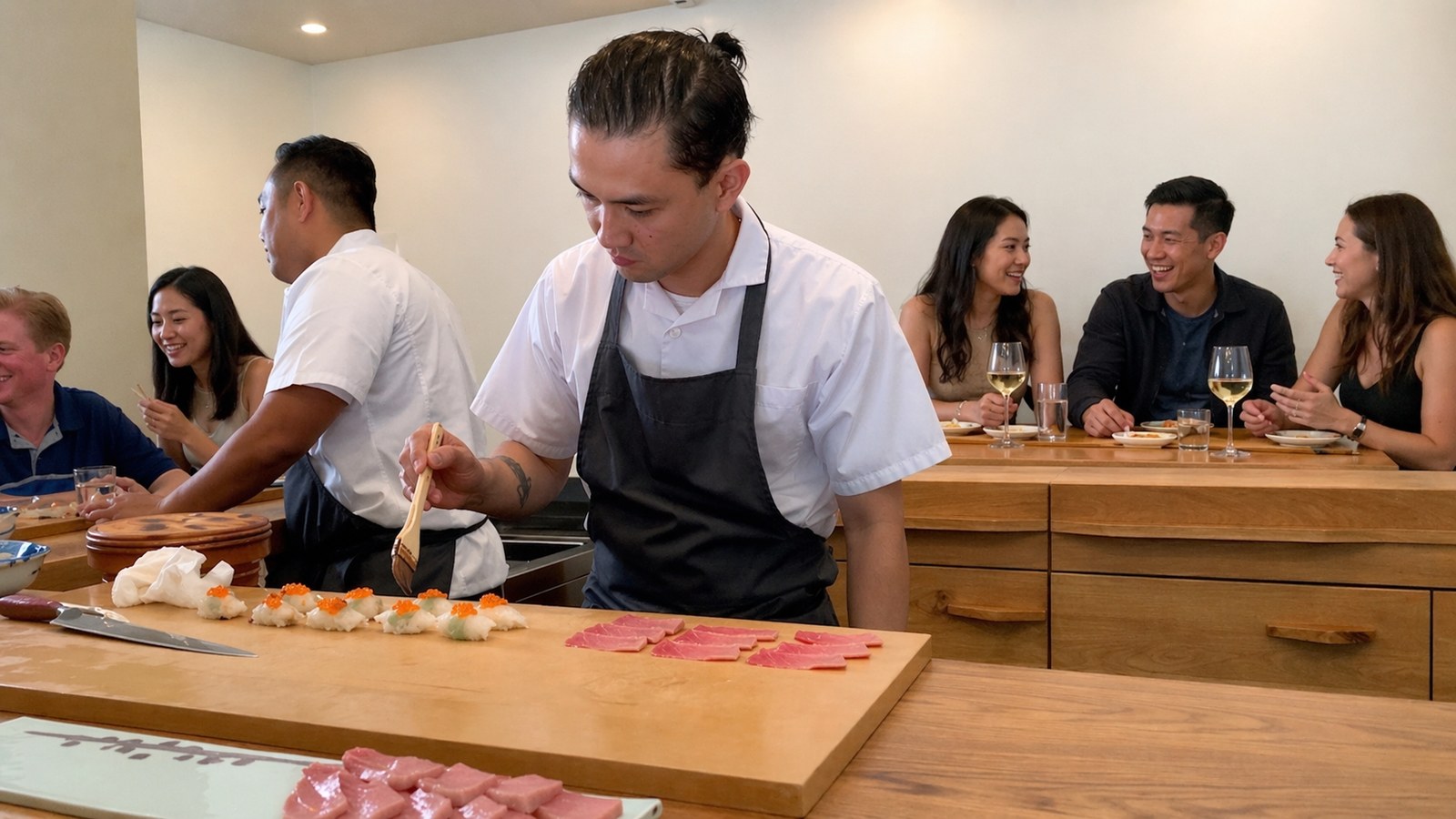
Kadence is the omakase that launched Orlando's Japanese fine dining scene. The format is pure — communal bar seating arranged around the chef's preparation area, no menus, no choices, just trust. The $225 per person dinner unfolds as a series of precise, beautiful courses that showcase the finest fish the chef can source. Each piece of nigiri arrives warm, the rice seasoned properly, the fish cut with intent. The space is deliberately spare — nothing competes with the food for your attention. Kadence was one of Orlando's first Michelin-starred restaurants, and while the city's omakase scene has grown crowded since, there's a reason the original still has a loyal following. The experience rewards patience and openness — come hungry, come curious, and let the counter do the talking.
Phone:
Signature dish: The omakase progression — trust the chef's selection, which changes with the season and the catch
What to expect: Communal bar seating around the chef. Omakase only — no menu. Plan for 2 hours. Smart casual.
Price: $225 per person
Reservations: Book via Tock. Seatings fill quickly.
Reserve online: Book a table
Best for: Sushi obsessives, the person who always orders omakase, a quiet Tuesday when you want to eat beautifully
Capa
Inspired by real photos
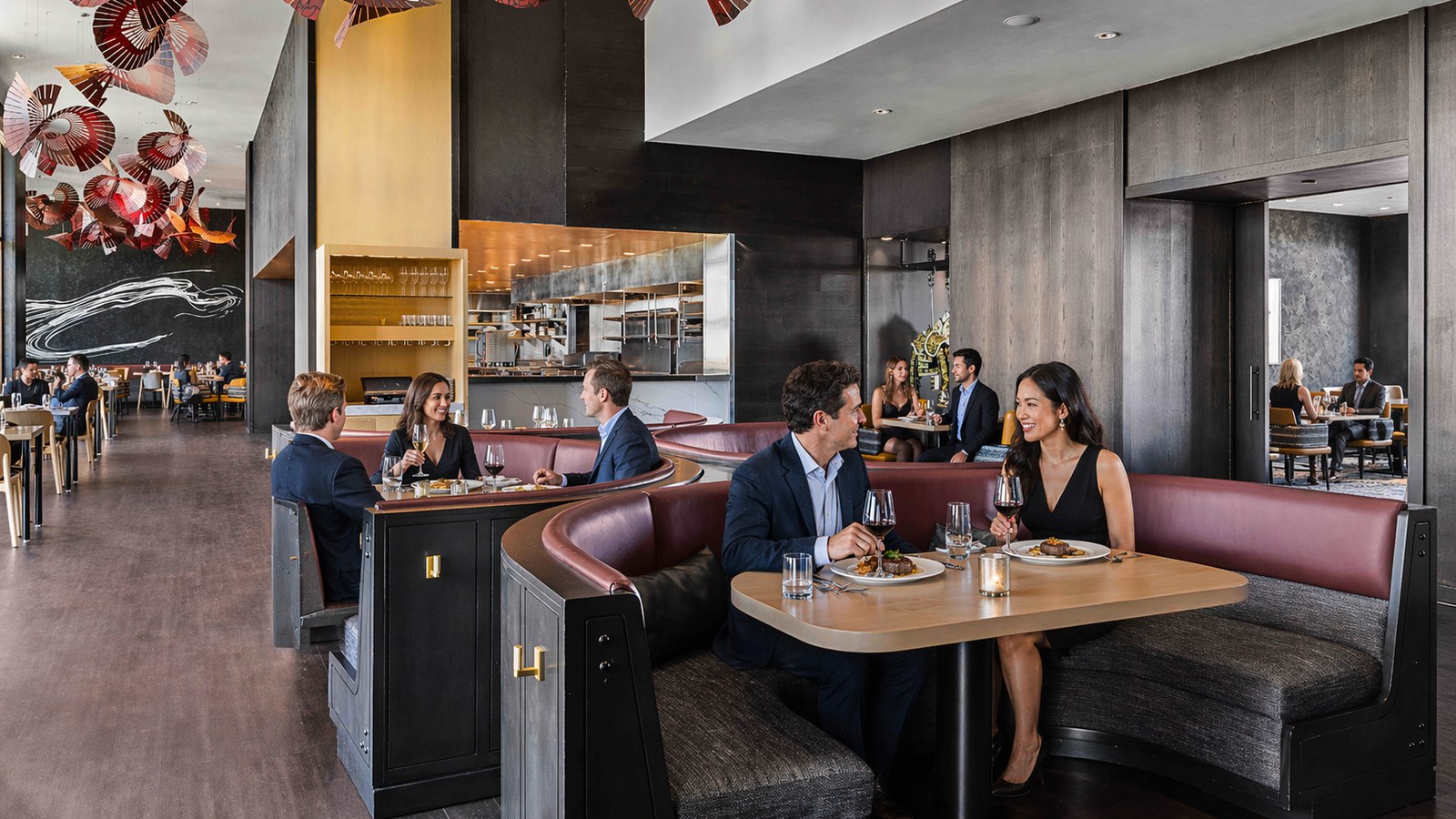
Calling Capa a steakhouse undersells it badly. Perched on the 17th floor of the Four Seasons Orlando, this Spanish-influenced restaurant combines wood-fired prime cuts, fresh Florida seafood, and tapas with what might be the most dramatic dining view in Central Florida — the nightly Disney fireworks, visible from every table without the crowds or the ticket price. The steaks are excellent — dry-aged and Wagyu selections cooked over an open wood fire — but the Spanish touches are what separate Capa from every other hotel steakhouse in the corridor. The tapas menu alone justifies a visit: jamón ibérico, patatas bravas, grilled octopus. The restaurant recently earned a "Restaurants from Spain" certification from the Embassy of Spain, and Michelin has awarded it a star for four consecutive years. It's the rare resort restaurant that locals actually drive to.
Phone: (407) 313-6161
Signature dish: Wood-fired dry-aged steak — and the tapas spread that starts the evening, especially the jamón ibérico
What to expect: 17th-floor rooftop dining with fireworks views. Upscale dress code. Expect a long, celebratory meal.
Price: $120-200 per person
Reservations: Book through Four Seasons or OpenTable. Request a terrace table for fireworks.
Reserve online: Book a table
Best for: The tourist who wants a genuinely great meal (not just a theme park one), proposals with a backdrop, steak lovers
Reyes Mezcaleria
Inspired by real photos
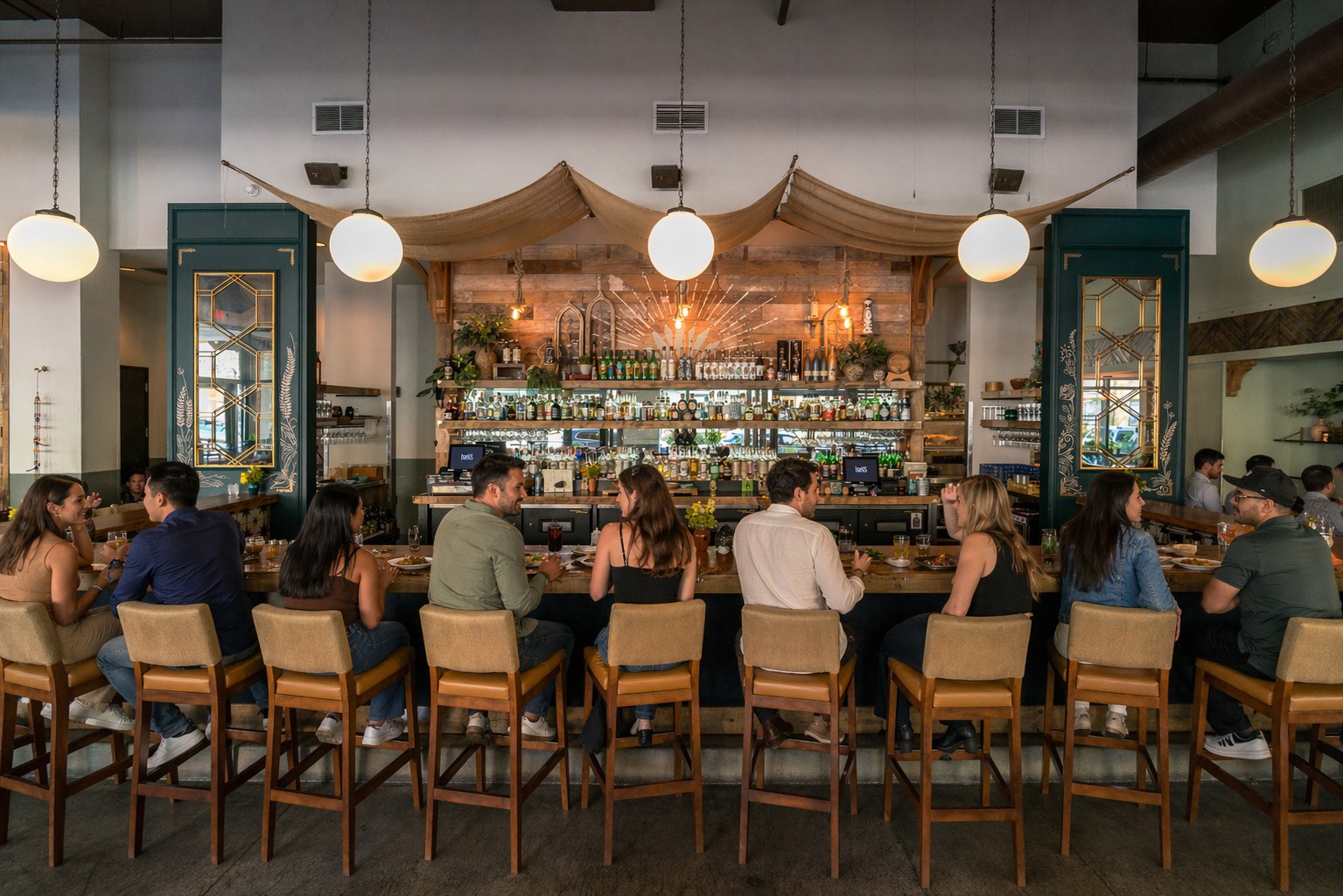
Executive Chef Wendy Lopez is a Michoacán native who has earned two consecutive James Beard semifinalist nominations for Best Chef: South, and at Reyes Mezcaleria, you taste why. The food is rooted in Mexican tradition but filtered through a fine-dining sensibility that never loses the soul of the cuisine. This isn't Tex-Mex or Cal-Mex — it's the cooking of someone who grew up with these flavors and then learned how to amplify them without losing their honesty. The restaurant doubles as one of the most serious mezcal programs in the Southeast, with over 150 agave selections curated by the Good Salt Restaurant Group. The space itself — part of the North Quarter's growing dining corridor — has the kind of energy that makes a Tuesday dinner feel like a Friday night. Brunch on weekends is equally worth the trip.
Phone: (407) 868-9007
Signature dish: Whatever Chef Lopez is running as a special — her Michoacán-rooted preparations change seasonally and are always the best thing in the room
What to expect: Lively, stylish dining room with serious cocktail culture. Expect great mezcal recs from the bartenders.
Price: $45-70 per person
Reservations: Recommended for dinner, especially weekends. Walk-ins possible at the bar.
Reserve online: Book a table
Best for: Mezcal lovers, anyone who thinks they've had the best Mexican food already, groups who want to share plates and drinks
Domu
Inspired by real photos
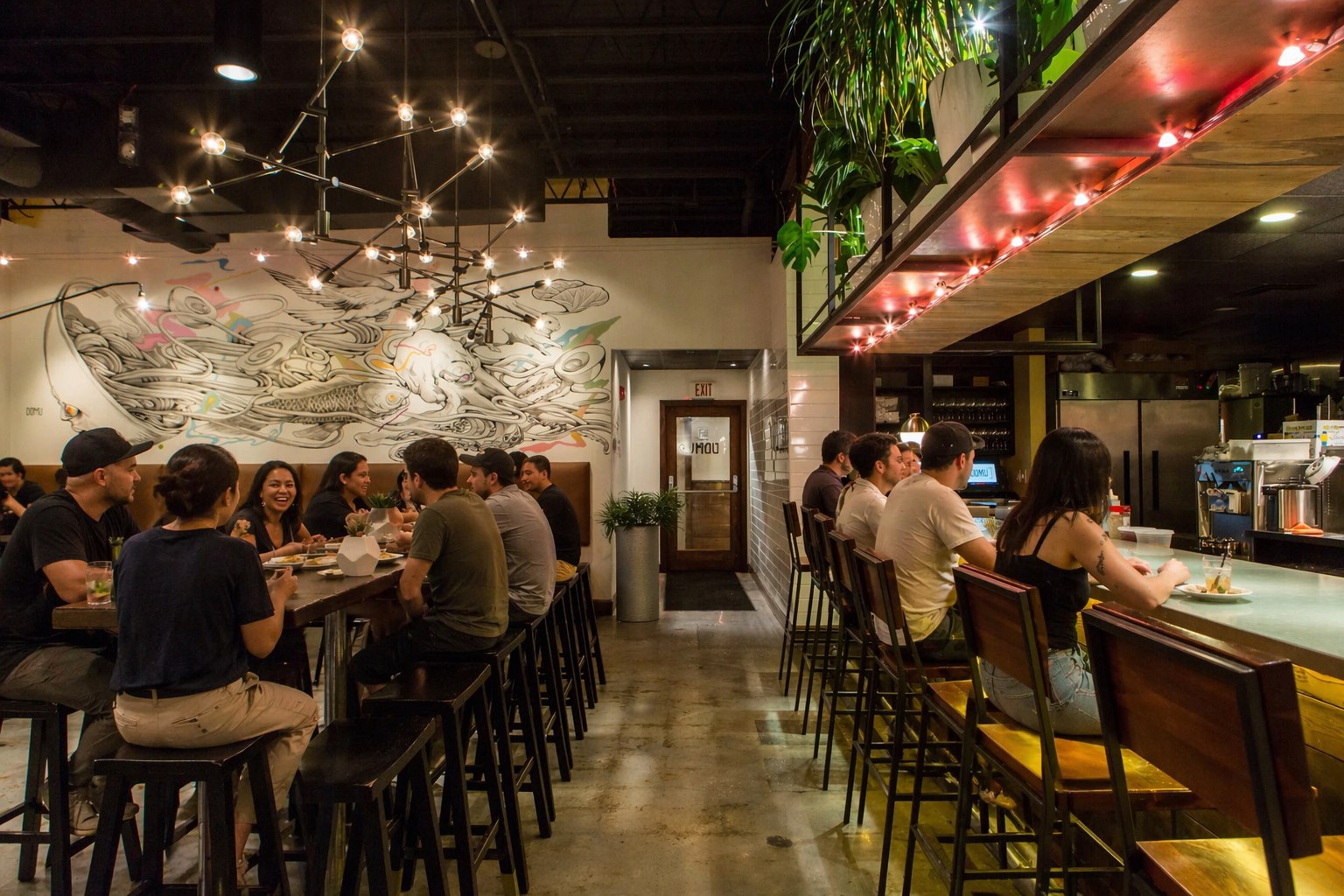
Chef Sean "Sonny" Nguyen opened Domu in 2016 in the Audubon Park neighborhood, and it's been Orlando's ramen benchmark ever since. The Bib Gourmand and James Beard semifinalist nod didn't come from gimmicks — they came from house-made noodles, deeply built broths, and a small-plates menu that goes well beyond the bowl. The Richie Rich ramen is the one everyone orders first, but the kimchi butter wings have achieved the kind of cult status that transcends any single dish. Nguyen has since expanded to multiple locations, but the original Audubon Park spot retains the energy of a neighborhood restaurant where the chef still cares about every bowl that leaves the kitchen. Lines form early on weekends, and the parking situation is a known challenge, but that's a problem that only exists because the food earns it.
Phone:
Signature dish: Richie Rich ramen and the kimchi butter wings — order both, no exceptions
What to expect: Casual, buzzy, often crowded. Counter and table seating. Expect a wait on weekends.
Price: $20-35 per person
Reservations: No reservations at the original location. Arrive early or be prepared to wait.
Best for: Rainy-day comfort, the $25 meal that punches way above its weight, late lunches with friends
The Ravenous Pig
Inspired by real photos
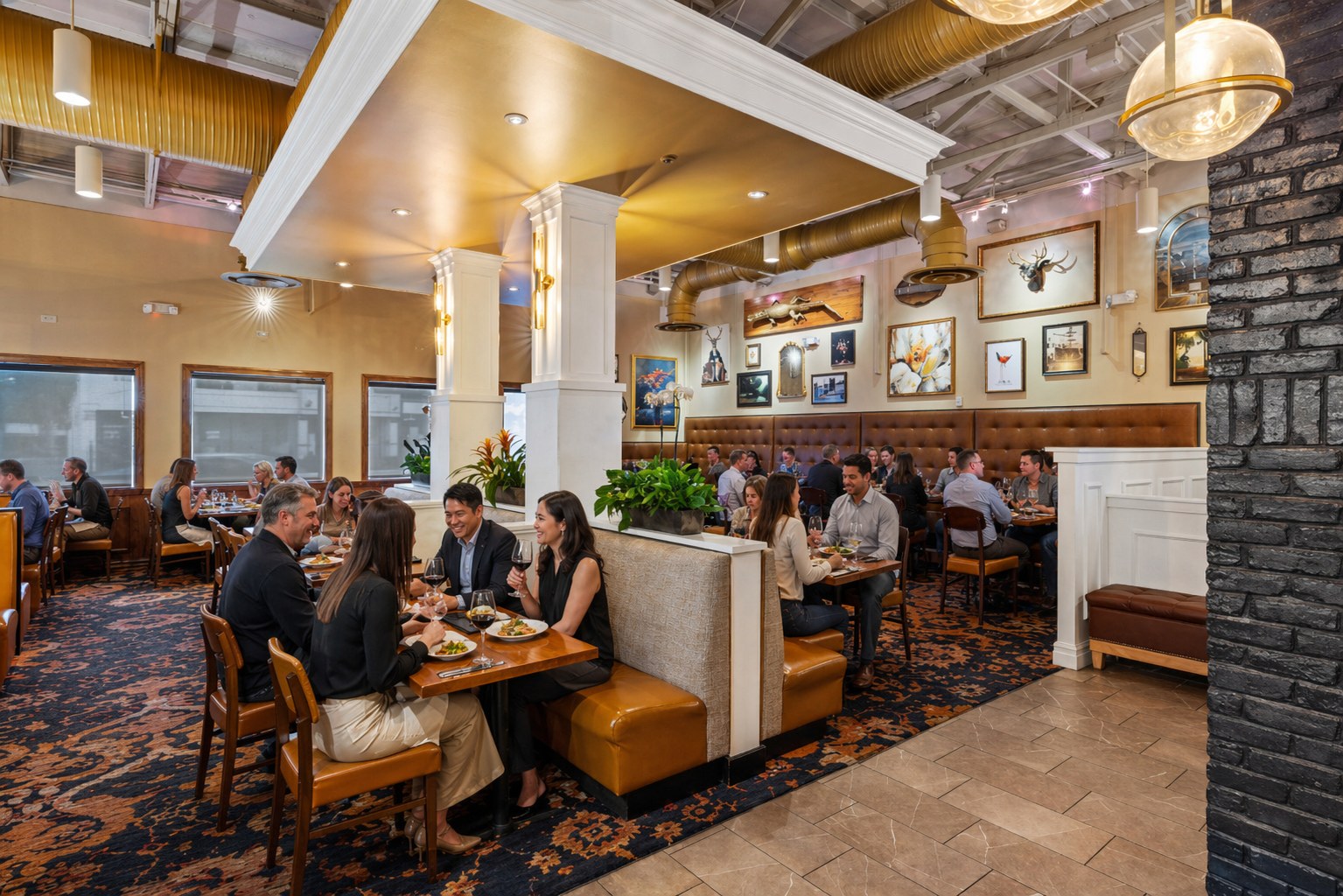
Before Orlando had Michelin stars, it had The Ravenous Pig. This Winter Park gastropub was one of the first restaurants to prove that serious cooking could happen outside the resort corridor, and it's been doing it since 2007. The concept — seasonal, farm-to-table American food with beers brewed on-site and handcrafted cocktails — sounds commonplace now, but that's partly because The Ravenous Pig helped make it so. James Beard nominations, a Michelin Bib Gourmand, praise from the New York Times, Food & Wine, and the Wall Street Journal — the accolades stack up, but the food stays grounded. The pub burger is legendary. The seasonal specials are where the kitchen shows its range. And the house-brewed beers give you a reason to linger that most restaurants can't offer. It's the kind of place where you go for a quick bite and end up staying three hours.
Phone: (407) 628-2333
Signature dish: The pub burger — a decade-plus icon — and whatever seasonal special the kitchen is running this week
What to expect: Upscale gastropub energy. Craft brewery on-site. Lively bar, comfortable dining room. Casual dress.
Price: $40-65 per person
Reservations: Recommended for dinner. Walk-ins welcome at the bar.
Reserve online: Book a table
Best for: The friend who doesn't do fine dining but deserves great food, Sunday brunch, beer lovers
Natsu Omakase
Inspired by real photos
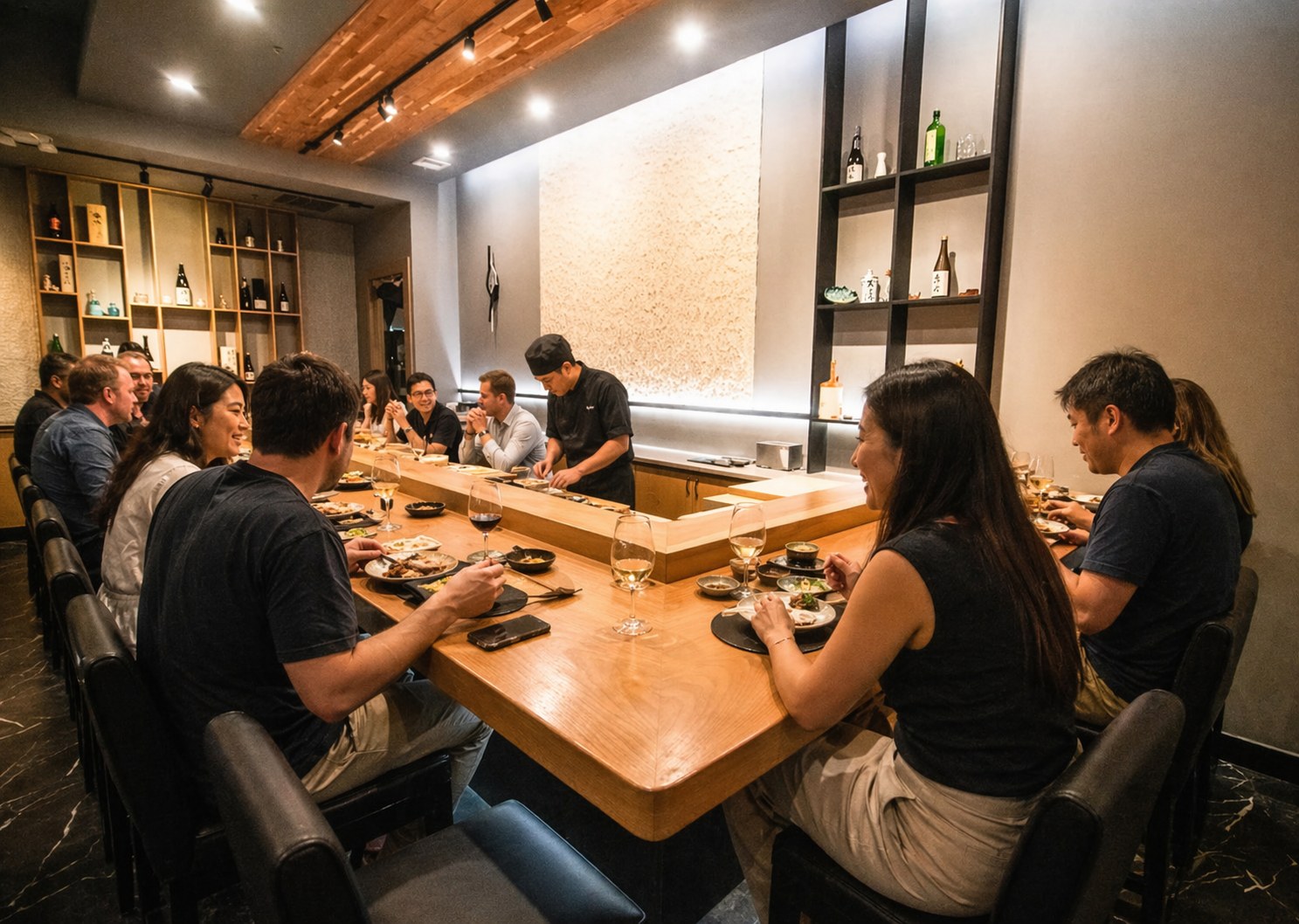
Chef Stone Lin earned a Michelin star four months after opening Natsu — the fastest anyone has done it in Orlando. The restaurant is a 12-seat counter in the North Quarter of downtown, sparse and focused, with two seatings per night and zero distractions. The meal opens with four kitchen courses — a chawanmushi, a truffle kampachi with crispy potato straws and yuzu truffle vinaigrette that stops conversation — before moving into a sushi progression that showcases the chef's extraordinary sourcing. Ingredients fly in from Japan: barracuda with a dynamic char, soy-marinated salmon that finishes with an unexpected sweetness, and a buttery toro that genuinely melts. Lin doesn't gild the lily. The fish speaks, the rice supports, and the room disappears. In a city with no shortage of omakase options, Natsu earns its star by doing less, better.
Phone: (407) 286-5744
Signature dish: Truffle kampachi with crispy potato straws — and the toro that needs no introduction
What to expect: Minimal 12-seat counter. Two seatings nightly. Focused, quiet, deliberate. 1.5-2 hours.
Price: Omakase ~$200 per person
Reservations: Essential — two seatings per night, 12 seats each. Book early.
Best for: Sushi purists who value restraint over spectacle, the omakase that doesn't try to be anything else
Prato
Inspired by real photos
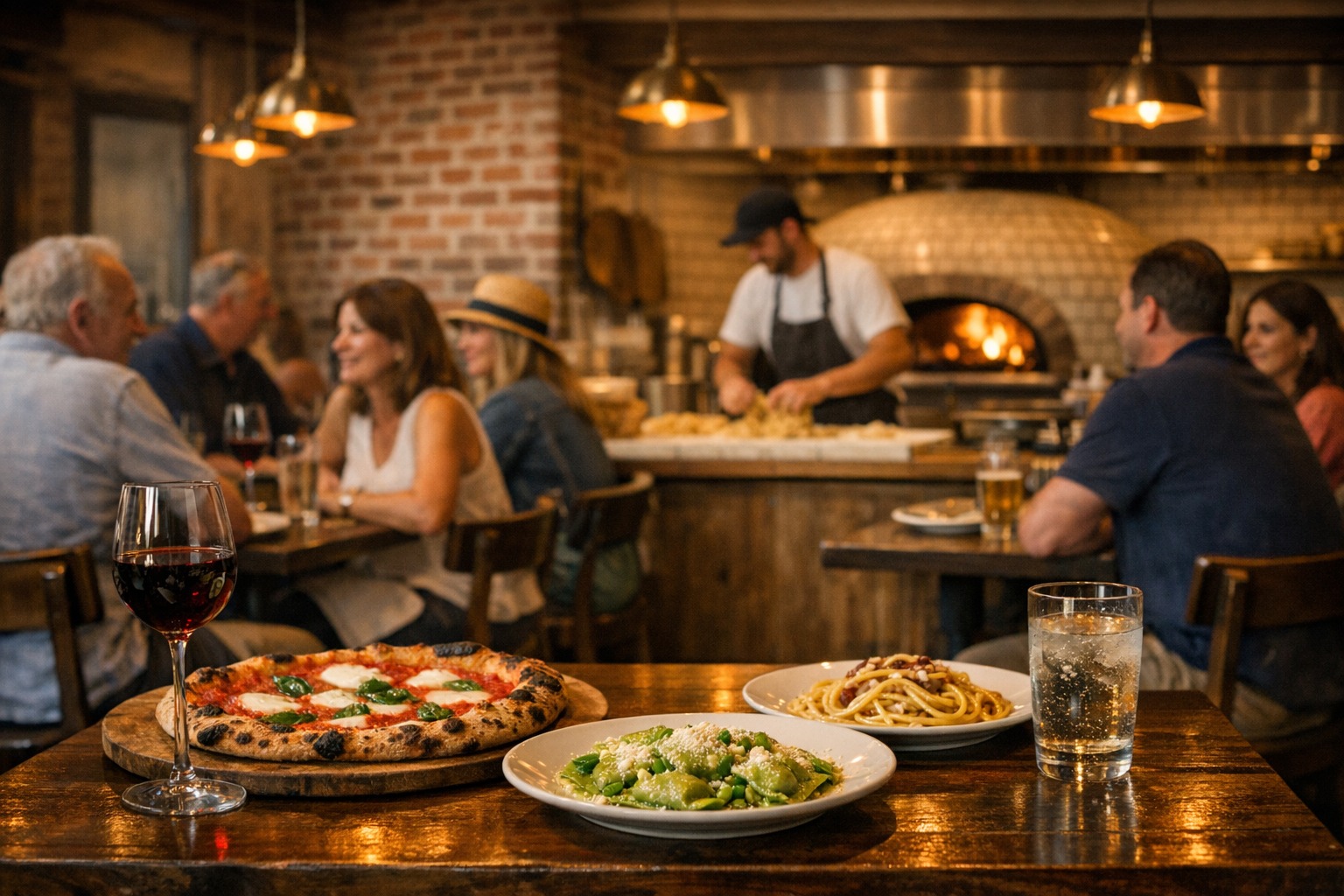
Prato anchors Park Avenue in Winter Park with the kind of confident, seasonal Italian cooking that makes you forget you're in Florida. Executive Chef Brandon McGlamery — a James Beard Award semifinalist for Outstanding Restaurant — built the kitchen around imported Acunto wood-burning ovens from Naples, and the Neapolitan-style pizzas that come out of them are worth the trip alone. But Prato is more than a pizza restaurant. The pastas are made in-house, the proteins are treated with an Italian sensibility that respects the ingredient above the technique, and the wine list is deep without being intimidating. The room itself — vaulted ceilings, exposed brick, Edison bulbs, caramel-leather booths — has that rare quality of feeling both special and relaxed. It's where Winter Park goes for everything from a casual Tuesday pasta to a Saturday night that matters.
Phone: (407) 262-0050
Signature dish: Neapolitan pizza from the Acunto wood-burning oven — and the seasonal pasta that changes with what's best right now
What to expect: Rustic-chic Italian dining room. Central bar, leather booths, wood-fire kitchen. Smart casual.
Price: $45-70 per person
Reservations: Recommended, especially Friday-Saturday. Walk-ins at the bar.
Reserve online: Book a table
Best for: Park Avenue people-watching, the Italian dinner that doesn't feel like a chain, feeding someone who 'just wants pasta'
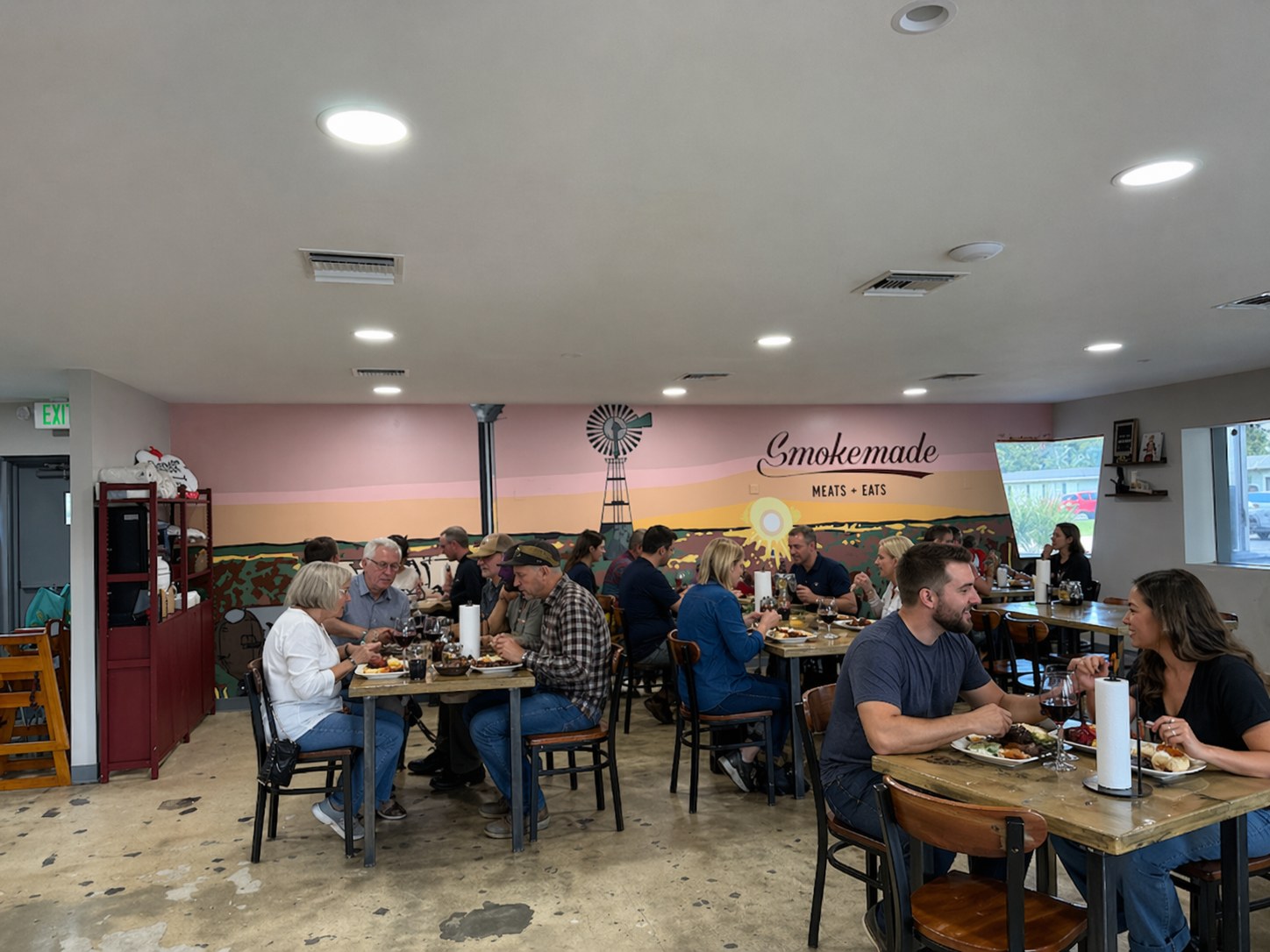
Smokemade Meats + Eats
Inspired by real photos
Orlando doesn't have a barbecue tradition the way Austin or Memphis does — which is exactly why Tyler Brunache built one from scratch. Smokemade Meats + Eats in the Curry Ford West district is a family-owned operation that takes Central Texas technique seriously: concrete floors, butcher paper service, a menu written on the wall, and meat that speaks for itself. The pork ribs in a black pepper and salt rub are tender with a smoky edge that doesn't need sauce. The jalapeño-cheddar sausage gives Texas a genuine run for its money. Even the white bread is house-made — sliced thick and served alongside your selections the way a proper barbecue joint should. The Michelin Bib Gourmand is the kind of recognition that barbecue purists find surprising from a Florida restaurant, but one bite of the brisket and the surprise disappears.
Phone: (407) 270-9199
Signature dish: The pork ribs — black pepper and salt rub, smoky edge, no sauce needed — and the jalapeño-cheddar sausage
What to expect: Counter-service barbecue. Concrete floors, communal tables, butcher paper. Come hungry.
Price: $18-30 per person
Reservations: No reservations. First come, first served. Arrive early — they sell out.
Best for: Barbecue cravings that demand the real thing, the $20 lunch that beats most $80 dinners in town
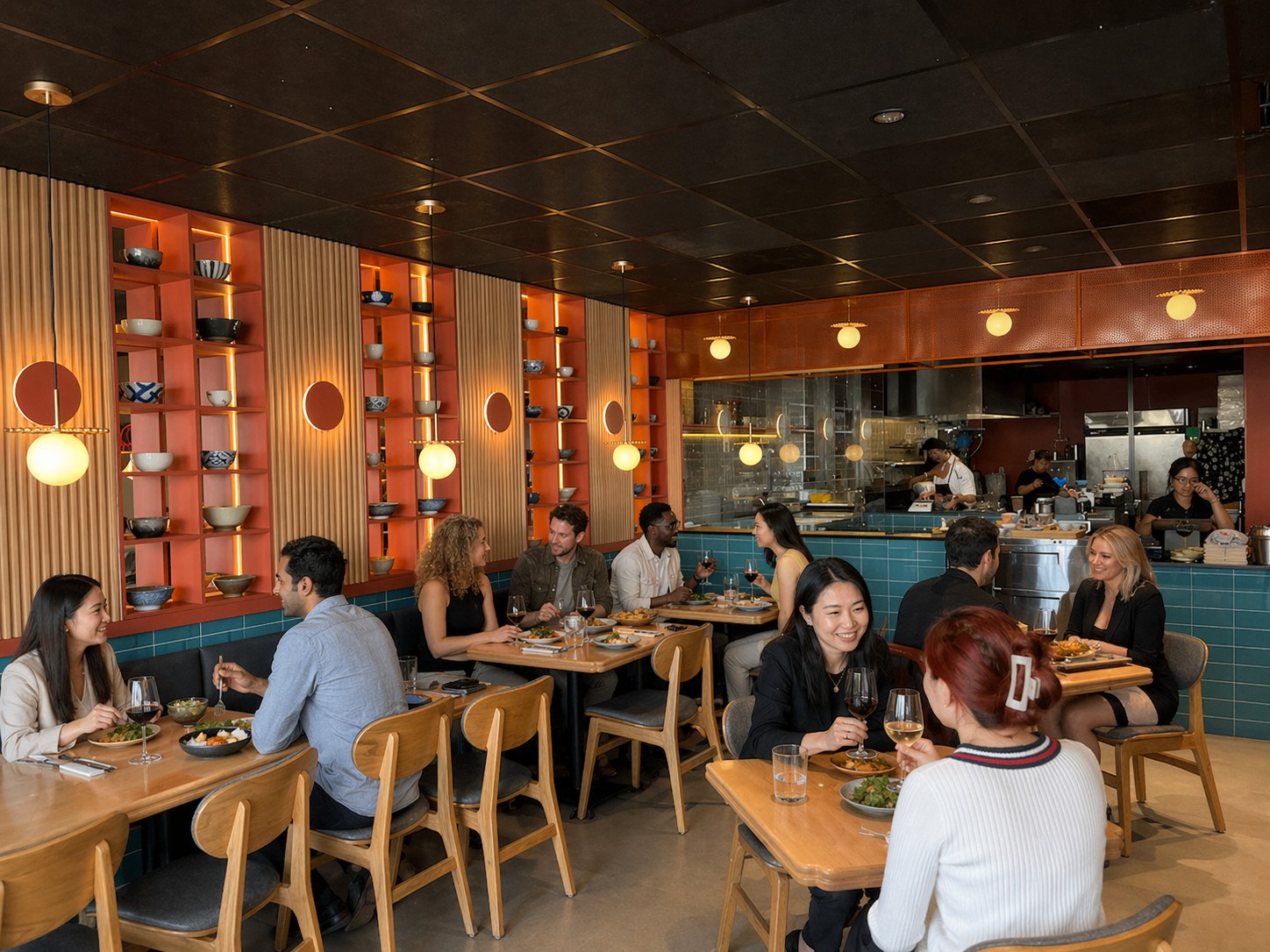
Zaru
Inspired by real photos
Tucked into the same strip as Tien Hung Market on Colonial Drive, Zaru is a 25-seat noodle shop that has no business being as good as it is. The udon noodles are made from flour imported from Japan's Kagawa Prefecture — the spiritual home of udon — and you can taste the difference in every chewy, slippery bite. The broths carry a wonderful smokiness and depth, and the toppings range from reliable (tatsuta-age fried chicken, pork gyoza) to luxurious (Hokkaido uni, A5 Kagoshima wagyu). The ikura onsen — a softly poached egg crowned with salmon roe and crispy garlic — is the starter that converts skeptics. Zaru earned its Bib Gourmand in 2024, validating what the Mills 50 lunch crowd already knew: this is one of the best noodle experiences in the American South, hidden in a strip mall next to an Asian grocery store.
Phone:
Signature dish: The udon itself — impossibly chewy noodles in smoky broth — and the ikura onsen starter
What to expect: Small, sleek, 25 seats. Counter and table seating. Quick-ish meals, perfect for lunch.
Price: $15-30 per person
Reservations: No reservations. Small space fills fast at lunch — go at 11:30 or 1:30 to beat the rush.
Best for: Noodle lovers who care about flour sourcing (yes, that's a thing), the best $15 lunch in Orlando
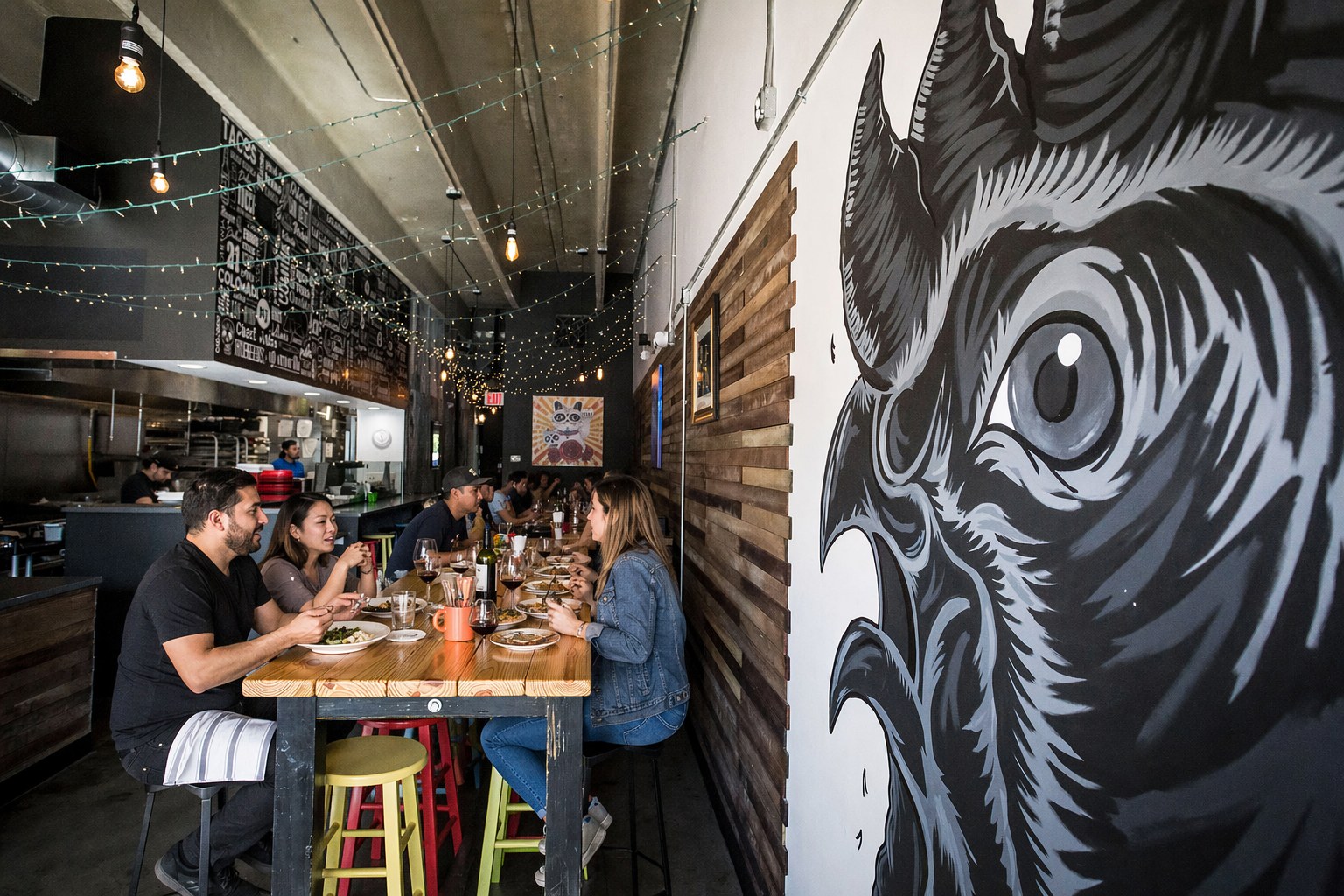
Black Rooster Taqueria
Inspired by real photos
John and Juliana Calloway opened Black Rooster Taqueria in Mills 50 a decade ago, and it's been voted Best Tacos in Orlando so many times that the award should probably be retired. The format is simple: house-made tortillas, bold fillings, and a commitment to ingredient quality that you can taste in every bite. The space is compact and industrial — local artwork on the walls, refurbished furniture, tables the chef built himself — and the vibe is the kind of relaxed that only comes from a restaurant that knows exactly what it is. The tortillas are the foundation: pressed and griddled to order, with a warmth and corn flavor that you don't get from a bag. Top them with whatever sounds good — braised short rib, grilled fish, seasonal vegetables — and you'll understand why this place has a Michelin recommendation and a decade of loyalty from a neighborhood that has no shortage of options.
Phone:
Signature dish: House-made tortilla tacos — the braised short rib is the crowd favorite, but the seasonal specials surprise
What to expect: Counter-order taqueria. Compact, industrial space. Quick, affordable, unpretentious.
Price: $12-20 per person
Reservations: No reservations needed. Walk in, order, eat.
Reserve online: Book a table
Best for: The $15 taco lunch that reminds you good food doesn't need a price tag, weeknight dinners when you want quality without fuss
Exploring Orlando's Food Scene by Cuisine
Japanese Omakase
Orlando has become an unexpected omakase capital, with more Michelin-starred sushi counters per capita than most American cities. From Soseki's Florida-focused approach to Natsu's Japanese purist philosophy, the options span every style and price point.
Modern Filipino
Kaya's Michelin Green Star put Filipino food on Orlando's culinary map, but the Mills 50 neighborhood has long been home to a thriving Filipino community. The cuisine is finding its fine-dining moment here in ways that haven't happened in larger cities.
Vietnamese & Southeast Asian
Mills 50 is home to the largest Vietnamese American community in Florida, and the pho, banh mi, and street food options along Colonial Drive are among the best in the Southeast. Camille's Michelin-starred Vietnamese-French fusion adds a fine-dining layer to the tradition.
Central Texas BBQ
Orlando isn't a traditional barbecue city, which gave Smokemade Meats the freedom to import Central Texas technique without compromise. The Bib Gourmand recognition validates what the lunch crowds already knew — this is real-deal barbecue, no matter the zip code.
Farm-to-Table New American
Central Florida's year-round growing season gives chefs like The Ravenous Pig's team and Kaya's Lo Lalicon access to local produce that more seasonal climates can only dream about. The farm-to-table movement here is less a trend and more a practical advantage.
Modern Mexican & Mezcal
Reyes Mezcaleria and Black Rooster Taqueria represent two poles of Orlando's Mexican food scene — James Beard-caliber fine dining and neighborhood taqueria perfection — connected by a shared commitment to authenticity and craft.
Where to Eat: Orlando by Neighborhood
Mills 50
Orlando's most food-forward neighborhood, centered on the intersection of Mills Avenue and Colonial Drive. Home to the largest Vietnamese American community in Florida, a Michelin Green Star Filipino restaurant, Bib Gourmand noodle shops, and the kind of strip-mall gems that food bloggers drive across town for.

Winter Park
The refined counterpart to Mills 50's grit, Winter Park's Park Avenue and Fairbanks corridor hosts three Michelin-starred restaurants, the city's most acclaimed gastropub, and Italian cooking that rivals much larger cities. Walkable, tree-lined, and packed with destination dining.

Audubon Park
A neighborhood built on independent restaurants and community gathering spots. Domu made its name here with Bib Gourmand ramen, and the Corrine Drive corridor continues to attract chefs who want the creative freedom a neighborhood restaurant provides.

North Quarter
Downtown Orlando's emerging dining district along North Orange Avenue. Two Michelin-starred omakase restaurants and a James Beard-nominated mezcaleria have turned this once-quiet stretch into one of the city's most exciting blocks for food.

Curry Ford
The neighborhood nobody expected to produce Michelin stars. Papa Llama earned its star from a strip mall, and Smokemade Meats brought Bib Gourmand-level barbecue to the district. Curry Ford rewards the adventurous eater who looks past the address.

Lake Buena Vista & Resort Corridor
The resort corridor gets dismissed by food purists, but Capa at Four Seasons has held its Michelin star for four consecutive years. Among the theme park hotels and chain restaurants, a handful of kitchens operate at a national level — you just have to know where to look.
Related Guides & Resources
Eating out in Orlando this week?
Save 20-40% at restaurants across the city with Restaurant.com gift certificates.
Browse Orlando Deals on Restaurant.com →Discover More Orlando Restaurants
Browse the complete ActiveDiner directory of thousands of restaurants in Orlando, read reviews, make reservations, and find your next favorite spot.
Browse All Orlando Restaurants